

Kathmandu— Earthquakes are unpredictable natural disasters, but preparation and knowing how to react can dramatically improve safety. This guide outlines essential steps individuals should take before an earthquake strikes – securing homes and assembling emergency kits – as well as crucial actions to perform during the shaking itself, and what to do in the immediate aftermath to mitigate further risks and ensure personal wellbeing.
Preparing Your Home and Emergency Kit
Earthquake safety begins with proactive measures at home, work, or school. Identifying potential hazards like unsecured furniture, heavy objects on high shelves, and breakable items is crucial. Securing tall bookcases and cabinets to walls, along with televisions and other large appliances, can prevent them from falling during strong shaking. It’s also important to learn how to safely shut off gas, electricity, and water, and to know the location of main control valves.
Beyond home preparation, assembling an emergency survival kit is vital. Earthquakes often disrupt essential services like power, water, and communication, so having readily available supplies can be life-saving. A comprehensive kit should include drinking water, non-perishable food, a first-aid kit, a flashlight with extra batteries, a battery-powered or hand-crank radio, a whistle, essential medicines, a portable power bank, copies of important documents, cash, and sturdy shoes to protect feet from debris.
Protecting Yourself During Shaking
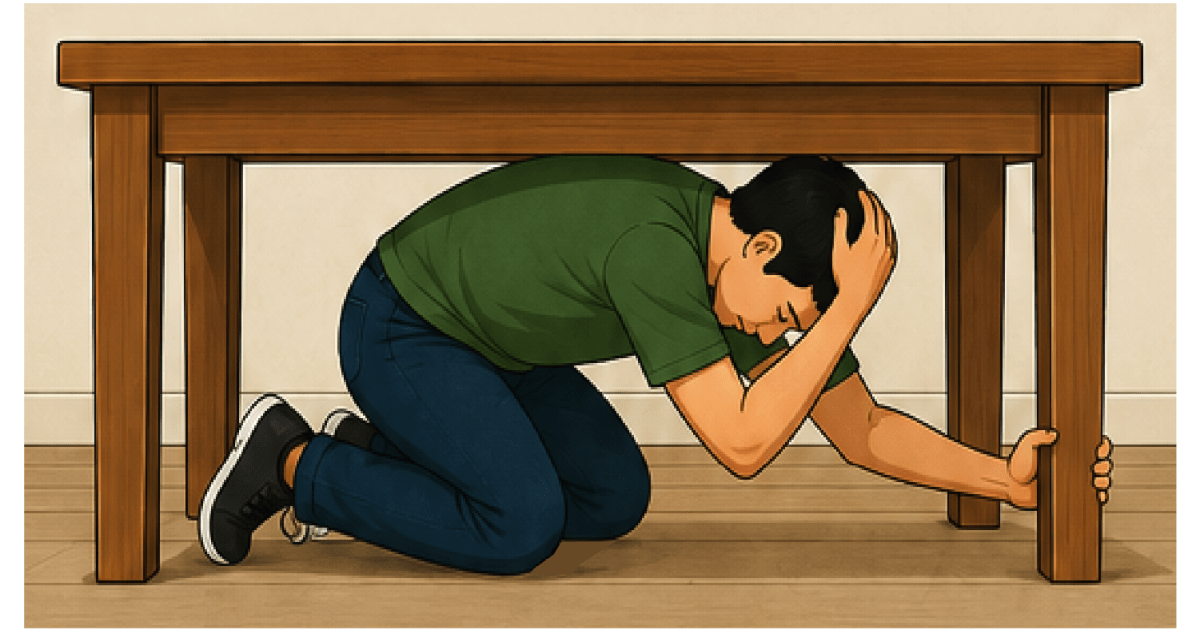
When an earthquake strikes, immediate action is critical. The US Centers for Disease Control and Prevention (CDC) advises against running outside during the shaking, as falling debris poses a significant danger. Instead, individuals should immediately Drop to their hands and knees, Cover under a sturdy table or desk protecting their head and neck, and Hold on until the shaking stops.
The safest course of action varies depending on your location: indoors, prioritize Drop, Cover, and Hold On; in stores or offices, move away from shelves and glass while shielding your head; at school, follow teacher instructions and take cover under sturdy furniture; in a car, pull over safely away from hazards and remain inside until the shaking ceases; outdoors, move to an open area away from structures and power lines; and if trapped in a lift, stay inside until it stops before exiting cautiously.
Post-Earthquake Safety Measures
Once the shaking stops, prioritize checking yourself and others for injuries, then assess your surroundings for hazards. The danger doesn't end with the initial tremors, as aftershocks are common and can cause further damage. Be aware of potential fires, gas leaks, damaged buildings, broken glass, and downed power lines.
If a gas leak is suspected – indicated by a damaged pipe or the smell of gas – evacuate the area immediately and do not attempt to turn the gas back on. Similarly, avoid touching damaged electrical wiring and follow local guidance regarding power shut-off procedures. Conserve phone battery by reducing screen brightness, closing apps, and utilizing text messages or data services for communication, reserving calls for emergencies.
Staying Informed and Helping Others
After an earthquake, staying alert and informed is crucial. Follow official updates from emergency responders and local authorities. Use your phone responsibly to avoid overloading networks; prioritize text messaging and data usage over voice calls when possible. When it’s safe to do so, offer assistance to those in need, but always prioritize personal safety first.
Following these guidelines can significantly improve preparedness and response during an earthquake, minimizing risk and maximizing chances of survival.
(With inputs from Al Jazeera)
Originally published on abcnews.com.np.





प्रतिक्रिया दिनुहोस्