

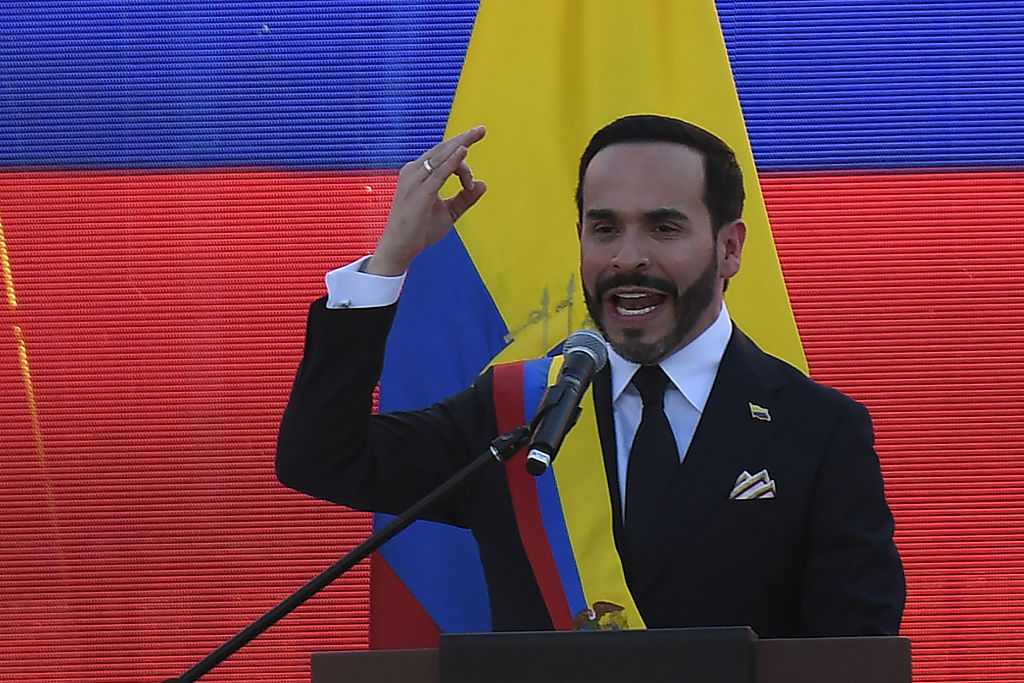
Kathmandu— A powerful 7.4 magnitude earthquake struck western Colombia on August 10, killing nearly three hundred people and injuring thousands more, creating an immediate crisis for newly inaugurated President Abelardo de la Espriella. In the hours following the disaster, while Colombians were still trapped under rubble, the government announced its recognition of Israeli sovereignty over the Golan Heights – a Syrian territory occupied by Israel since 1967 – aligning Colombia with the United States as one of only two countries to recognize this claim. This move, and subsequent actions prioritizing aid from right-wing allies, suggests a broader effort to deepen ties with Israel under the guise of disaster relief.
Disaster Response and Political Alignment
The earthquake caused widespread damage across several Colombian departments, overwhelming local resources and necessitating international assistance. The government mobilized state resources but initially limited collaboration to countries considered right-wing allies – the United States, Ecuador, El Salvador, and Israel. This selective acceptance of aid mirrored a pattern seen in Venezuela, where Israeli humanitarian assistance following earthquakes paved the way for the reestablishment of consular relations after years of estrangement.
A Regional Shift in Pro-Israel Policy
Colombia’s move represents a significant departure from the policies of its predecessor, President Gustavo Petro, who had been a vocal advocate for Palestinian rights and severed diplomatic ties with Israel. This shift is part of a wider regional trend, with several newly elected right-wing governments in Latin America strengthening ties with Israel after previously supporting the Palestinian cause. Israeli Foreign Minister Gideon Sa’ar has actively pursued this alignment, declaring 2026 as ‘the year of Latin America’ for Israel.
The Role of Humanitarian Aid
Israel has a long history of providing humanitarian aid and rescue teams in the aftermath of natural disasters globally, including recent deployments to Peru, Mexico, Haiti, and Brazil. However, critics argue this aid serves as a form of ‘disaster diplomacy,’ aimed at improving Israel’s international image while simultaneously employing humanitarian assistance as leverage in conflicts, particularly regarding Palestinians. In Venezuela, organizations like ZAKA – which participated in the rescue mission – were later involved in disseminating narratives used to justify actions in Gaza.
Controversies and Criticisms
ZAKA's presence in Colombia following the earthquake has already drawn scrutiny, with its Latin America director giving interviews shortly after the disaster. The Colombian government’s decision to revoke decrees banning coal exports to Israel, timed during the crisis response, further fueled criticism. While officials claim aid acceptance was based on adherence to international protocols, the rejection of a rescue team from Mexico raised questions about politicization and potentially jeopardizing lives. One Israeli businessman noted that he experienced positive reception from Colombians after attending the inauguration of President de la Espriella.
A Transactional Approach to Diplomacy
The Colombian government’s focus on strengthening ties with Israel, even during a national crisis, highlights a transactional approach to diplomacy. This prioritization of political objectives over broader cooperation contrasts with the previous administration's emphasis on accountability for Israeli actions and solidarity with Palestine. The use of disaster relief as a means to legitimize these rapprochements raises concerns about the ethical implications of humanitarian aid being intertwined with geopolitical goals.
The Colombian government continues to deepen its relationship with Israel, despite domestic criticism and regional shifts in policy toward Palestine. Further developments are expected in October with a planned visit from a Colombian delegation to Israel.
(With inputs from Jacobin)
Originally published on abcnews.com.np.



प्रतिक्रिया दिनुहोस्