

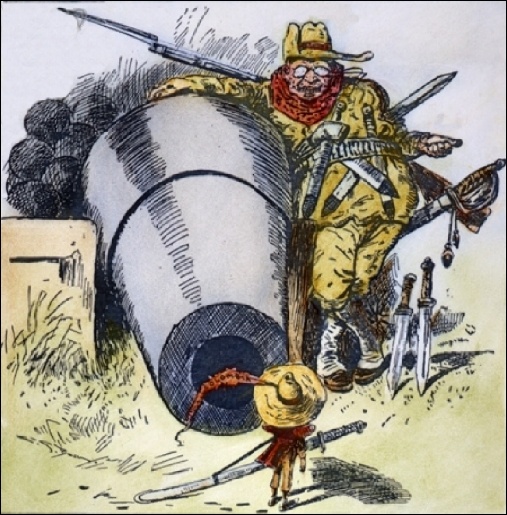
Kathmandu— The U.S. State Department is facing criticism for a video released by Ambassador to Panama Kevin Marino Cabrera that celebrates the history of the Monroe Doctrine and its role in establishing American dominance in the Americas. The video presents a revisionist account of events, downplaying or omitting instances where the doctrine was used to justify imperial actions, including territorial theft and intervention in sovereign nations. Critics argue this represents a full abandonment of previous statements acknowledging the problematic legacy of the doctrine and signals an embrace of aggressive foreign policy.
Historical Revisionism at Play
The video claims U.S. action forced French withdrawal from Mexico in 1861, but historian Jay Sexton notes this is a significant oversimplification; he argues that American accounts often inflate their role while minimizing the contributions of Mexican resistance fighters, British and Spanish involvement, and internal opposition to the intervention within France itself. Furthermore, the video omits the doctrine’s early use in justifying imperial expansion across North America, including the acquisition of territory from Mexico.
Downplaying Imperial Actions
Ambassador Cabrera highlights the U.S. takeover of Cuba and Puerto Rico as evidence of becoming a “genuine imperial power,” framing it as something to be proud of rather than acknowledging its impact on those nations. Similarly, the video presents Panama’s independence as solely driven by Panamanian aspirations, ignoring the significant role played by the United States in securing control of the Panama Canal. The narrative also glosses over the complexities surrounding the Cuban Missile Crisis, failing to mention the agreement to remove U.S. missiles from Europe.
Doctrine Applied to Recent Interventions
The video explicitly connects the Monroe Doctrine to more recent U.S. foreign policy decisions, including President Reagan’s actions in Nicaragua and interventions in Venezuela. Cabrera suggests that both military and “ideological threats” require similar responses, echoing rhetoric associated with the Trump administration and justifying interventionist policies as necessary for maintaining regional dominance. The video also references the kidnapping of a Venezuelan president as an example of this doctrine in action.
Shift from Condemnation to Celebration
The current promotion of the Monroe Doctrine marks a stark contrast to 2013, when Secretary of State John Kerry declared it “dead” – even while seemingly acting according to its principles. The video signals a full embrace of the doctrine’s historical justifications for U.S. intervention and dominance in the Western Hemisphere, abandoning any pretense of acknowledging its problematic legacy.
The release of this video suggests a renewed commitment to asserting U.S. influence in the Americas through policies rooted in the historically controversial Monroe Doctrine, potentially escalating tensions with regional partners.
(With inputs from CounterPunch)
Originally published on abcnews.com.np.




प्रतिक्रिया दिनुहोस्