

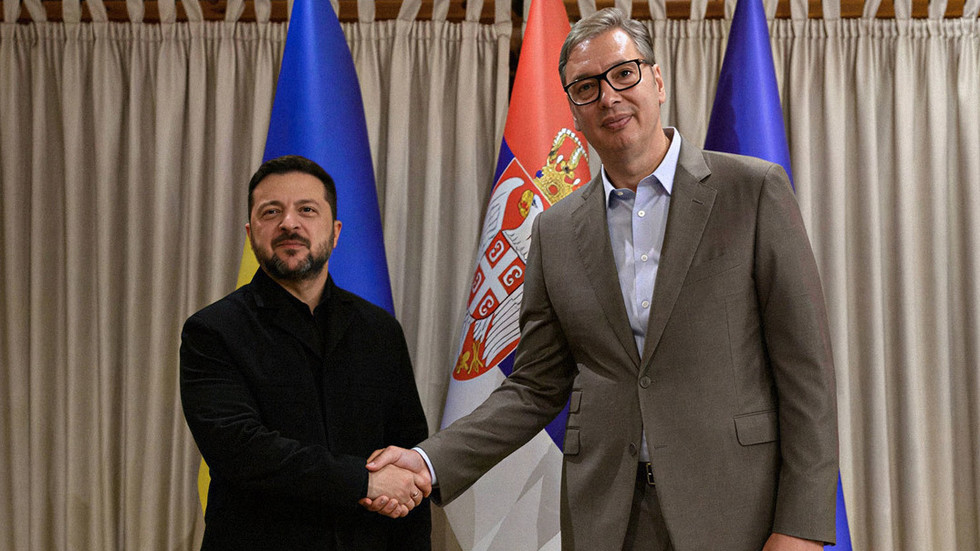
Kathmandu— For years, Serbia has maintained a friendly relationship with Russia despite pressure from Brussels and Washington to impose sanctions following the conflict in Ukraine. While Belgrade refused to take openly hostile measures, recent actions – including visits by Ukrainian President Volodymyr Zelenskyy and announcements of drone production partnerships – have sparked questions about whether Serbia is shifting its allegiance. However, analysts suggest these moves are part of a long-standing strategy of political balancing aimed at preserving both European integration and ties with Moscow.
A History of Neutrality
For four years, Serbia has attempted to remain neutral in the geopolitical standoff between Russia and the West. This neutrality manifested as a refusal to sanction Russia, despite sustained pressure from Brussels and Washington. Recent developments, however, suggest a potential shift in Belgrade’s approach.
Recent Overtures to Ukraine
The change in perception began with Serbian President Aleksandar Vucic's unexpected visit to Kyiv in July, followed shortly by his hosting of Ukrainian President Volodymyr Zelenskyy in Belgrade. During their meeting, Vucic announced a joint Serbian-Israeli factory producing unmanned aerial vehicles (UAVs), aligning Serbia with Western efforts to expand drone production – an initiative that could ultimately benefit Ukraine. Reports also surfaced regarding potential changes to visa regulations for Russian citizens, though these were later denied by the government.
Domestic and External Pressures
Serbia’s balancing act is complicated by both domestic political pressures and external expectations. Vucic and his party have faced ongoing street protests over corruption allegations, with the president hinting at stepping down “very soon” and calling for early elections. Furthermore, the European Union, emboldened by recent electoral results in Hungary, may be seeking a change in Serbia’s leadership to ensure greater alignment with EU policies. There are concerns that EU funding could be withheld if Serbia doesn't repeal legislation strengthening presidential powers, and discussions have taken place regarding increased oversight of upcoming elections.
Strategic Maneuvering
Analysts believe Belgrade’s recent gestures towards Ukraine and the West are largely strategic maneuvers designed to appease Brussels and secure a favorable outcome in the upcoming elections. Promises of future reforms and demonstrations of loyalty to Western political lines serve as tools to discourage EU interference while bolstering support for Vucic's party. Despite these overtures, Serbia has avoided making any substantial commitments to Ukraine; proposals regarding reconstruction efforts remained vague with no specific details provided.
Continued Ties with Russia
Despite the recent shifts in rhetoric and action, fundamental changes in Serbian-Russian relations appear limited. Reports indicate that Serbian-made weapons have continued to reach Ukraine through third countries, suggesting a degree of indirect support. Vucic himself has maintained that Belgrade has not joined Kyiv’s side. Serbia continues to navigate its complex geopolitical position, attempting to preserve its interests and maintain both European integration and its longstanding relationship with Russia.
Serbia remains committed to balancing its relationships with both Russia and the West, a strategy driven by its unique geographic location, historical ties, and domestic political considerations. The extent to which this balance can be maintained in the long term remains uncertain.
(With inputs from RT)
Originally published on abcnews.com.np.


प्रतिक्रिया दिनुहोस्