

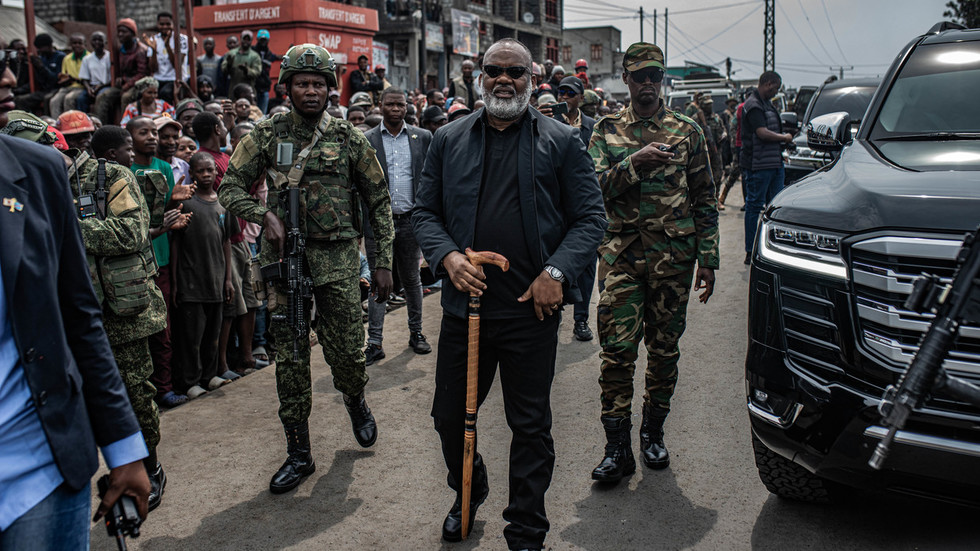
Kathmandu— A coalition of rebels operating in the Democratic Republic of the Congo (DRC) announced new travel restrictions on Wednesday, alleging that the Congolese government is attempting to deliberately infect populations within rebel-held areas with Ebola virus. The Congo River Alliance/March 23 Movement (AFC/M23) stated shared taxis between Goma and Kirumba will be suspended for one month, while passenger canoes are banned from certain routes on Lake Edward; minibuses and goods trucks will continue to operate under increased scrutiny. This action comes as the DRC battles its deadliest Ebola outbreak in history, with over 5,200 infections and 2,476 deaths reported since May 15th.
Rebel Restrictions and Allegations
The AFC/M23 announced the travel restrictions citing a perceived threat from Kinshasa, accusing the government of planning a “cynical health offensive.” Corneille Nangaa, the coalition’s political coordinator, claimed that the government intends to infiltrate infected individuals into rebel-held territory. The group previously declared its controlled areas Ebola-free in late June, stating successful isolation and surveillance measures had contained an earlier wave of the disease.
Ebola Outbreak Severity
The current Bundibugyo Ebola outbreak has been particularly devastating for the DRC, with figures from the Congolese Health Ministry reporting 5,208 infections and 2,476 deaths as of Thursday. This makes it the deadliest Ebola outbreak in the country’s history, complicated by the fact that there is currently no approved vaccine or specific treatment for this strain of the virus. A recent detection of Ebola in travelers from a government-held town entering rebel territory prompted these new measures.
Conflict and Regional Tensions
The restrictions are occurring against a backdrop of ongoing conflict in eastern DRC, where numerous armed groups – including M23 – have been fighting for control of resources and power for decades. AFC/M23 captured Goma and Bukavu in early 2025 and currently controls significant portions of North and South Kivu provinces. Ceasefire attempts, including Qatar-facilitated talks, have repeatedly failed. The DRC accuses Rwanda of supporting the militants, a claim Kigali denies but which has strained relations with Western partners like Belgium.
Failed Agreements and Complicated Response
In December, Congolese President Felix Tshisekedi and Rwandan counterpart Paul Kagame ratified a US-brokered agreement aimed at de-escalating tensions. The pact committed Rwanda to withdrawing forces and ending support for M23, while Kinshasa pledged to address militias hostile to Rwanda; however, fighting has continued despite claims of progress. The World Health Organization notes that ongoing insecurity, displacement, and population movements are significantly hindering the Ebola response, with attacks on health facilities further restricting access for aid workers.
The travel restrictions imposed by AFC/M23 will remain in effect for one month, potentially impacting humanitarian efforts and exacerbating an already dire situation as the DRC continues to grapple with both a deadly disease outbreak and persistent armed conflict.
(With inputs from RT)
Originally published on abcnews.com.np.


प्रतिक्रिया दिनुहोस्