

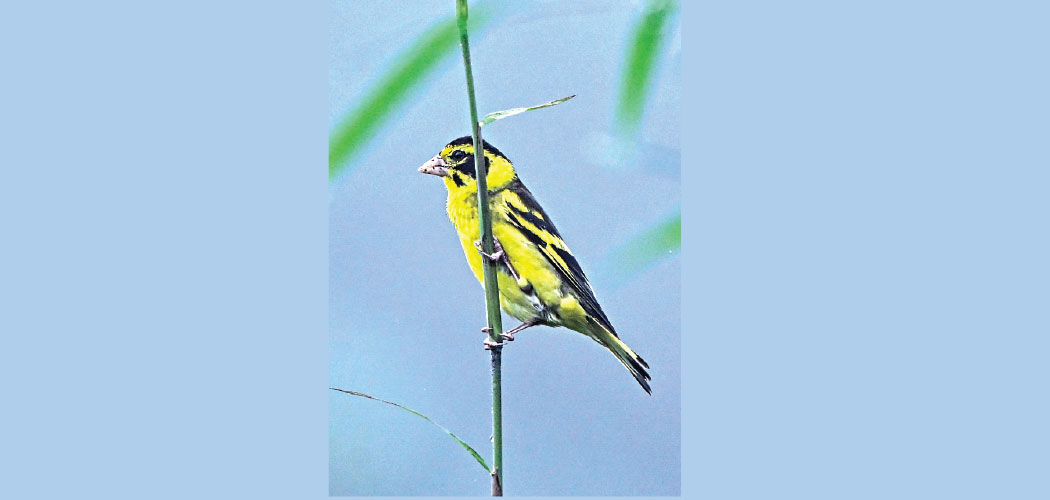
Kathmandu— The mountainous region of Ilam in eastern Nepal is gaining recognition as a promising destination for birdwatching and nature tourism. Ornithologist Deven Kharel recently completed a week-long survey of the Thumke-Nayabazar-Jaubari area within Maijogmai and Sandakpur rural municipalities, documenting 74 distinct bird species. The findings highlight the region’s rich biodiversity and potential to attract both domestic and international visitors interested in rare and high-altitude avian life.
A Rich Avian Diversity
The survey revealed a diverse range of habitats within a relatively compact area, including mixed forests, bamboo thickets, grasslands, farmlands, and high-altitude vegetation. This variety supports a wide array of bird species, from small warblers and parrotbills flitting through undergrowth to colorful birds inhabiting the taller trees. Kharel noted that he personally identified four ‘lifer’ species during the trip: the Grey-headed Parrotbill, Red-headed Tit, Black-throated Sunbird, and Large-billed Crow.
Potential for Ecotourism Growth
Kharel believes the Thumke-Jaubari area has significant potential to become a key birdwatching destination in Nepal if properly promoted. He emphasized its appeal to enthusiasts and photographers seeking rare species found in eastern Nepal’s high-altitude environments. Beyond birds, the region also supports mammals, reptiles, insects, and diverse plant life, offering opportunities for broader wildlife and nature photography.
Economic Benefits for Local Communities
The development of bird tourism could provide substantial economic benefits to local communities, according to Jeet Bahadur Rai, former chair of Maijogmai Rural Municipality. He suggested that residents could generate income through services such as homestays, providing local food, guiding tours, and offering transportation. The area also provides a glimpse into traditional rural life with its settlements, farming practices, and livestock rearing.
Continuing Research and Conservation
The surveyed region’s proximity to the Nepal-India border and connection to the Sandakpur area contribute to its importance for bird movement and overall biodiversity. Kharel recommends further research and conservation efforts to protect this valuable ecosystem. He has been studying birds in eastern Nepal for eight years, previously rediscovering the Himalayan Cutia – a species once believed extinct in Nepal – at Simdhap in Ilam.
The findings from this survey are expected to encourage increased attention towards bird conservation and ecotourism development within the Ilam region, potentially establishing it as a prominent destination for nature enthusiasts.
(With inputs from RN)
Originally published on abcnews.com.np.






प्रतिक्रिया दिनुहोस्