

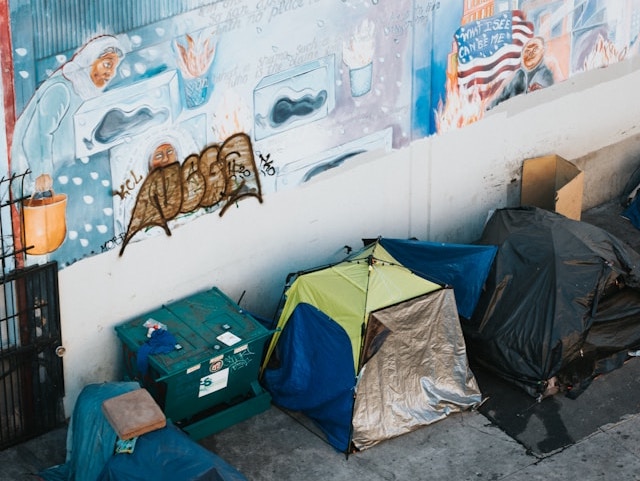
Kathmandu— The Trump administration faced criticism for its policies regarding the homeless population, which observers say shifted focus from “housing first” initiatives – providing shelter without preconditions – to a strategy of forced relocation and potential institutionalization. This approach, centered on restoring “public order,” has been condemned as prioritizing the removal of visible poverty over addressing the underlying causes of homelessness, including lack of affordable housing, mental health issues, and economic precarity. The policies involved increased policing of homeless encampments, cuts to social safety nets like Medicaid, and a push for involuntary psychiatric treatment, raising concerns about civil liberties and the targeting of vulnerable individuals.
Shift Away From Housing First
The core criticism centers on a departure from the “Housing First” model, which prioritizes immediate access to housing without requiring sobriety or participation in treatment programs. CBS News reported that Trump’s order instead promoted “maximally flexible civil commitment” for individuals experiencing mental illness who are unable to care for themselves or pose a danger to others. Critics argue this distinction between poverty and inability to care for oneself is dangerously blurred, potentially leading to the involuntary institutionalization of those simply lacking resources. The policy was seen as prioritizing aesthetics and public perception over genuine assistance.
Cuts to Social Safety Nets
Beyond the shift in approach, significant cuts to social programs exacerbated the problem. According to the Debt Collective, Trump’s “One Big Beautiful Bill Act” slashed $1 trillion from Medicaid and the Children's Health Insurance Program, impacting access to healthcare for vulnerable populations. Nebraska Medical Director Drew Gonshorowski recently bragged about booting hundreds of Nebraskans off Medicaid before resigning, demonstrating a willingness to restrict aid even as need increased. The Debt Collective estimates that over 15 million Americans could lose healthcare due to these cuts, leaving them with limited options and increasing their risk of falling into homelessness.
Increased Policing and Arrests
Reports indicate a rise in law enforcement actions targeting homeless individuals. Invisible People documented a 3000 percent spike in arrests for sleeping on the subway in New York City, despite promises from Mayor Mamdani to change course. In Sacramento, the abrupt termination of a Motel Shelter Program left residents like Samantha Rubio, a disabled single mother, forced to live out of her car with her children. These actions are seen as prioritizing criminalization over providing support and shelter.
Underreporting the Scale of Homelessness
The official statistics on homelessness are also under scrutiny. While the Department of Housing and Urban Development estimates around 745,000 people lack shelter, critics argue this number is a significant underestimate. Factoring in those temporarily housed in motels or “couch surfing,” along with an estimated 2.5 million children experiencing homelessness annually, some believe the actual figure exceeds 4 million. This undercounting is seen as a deliberate attempt to downplay the severity of the crisis and justify inadequate policy responses.
Advocacy groups continue to monitor enforcement of these policies and advocate for solutions centered on housing access, mental health care, and economic justice. The long-term impact of the Trump administration’s approach remains to be seen, but concerns persist about its potential to further marginalize vulnerable populations.
(With inputs from CounterPunch)
Originally published on abcnews.com.np.



प्रतिक्रिया दिनुहोस्