

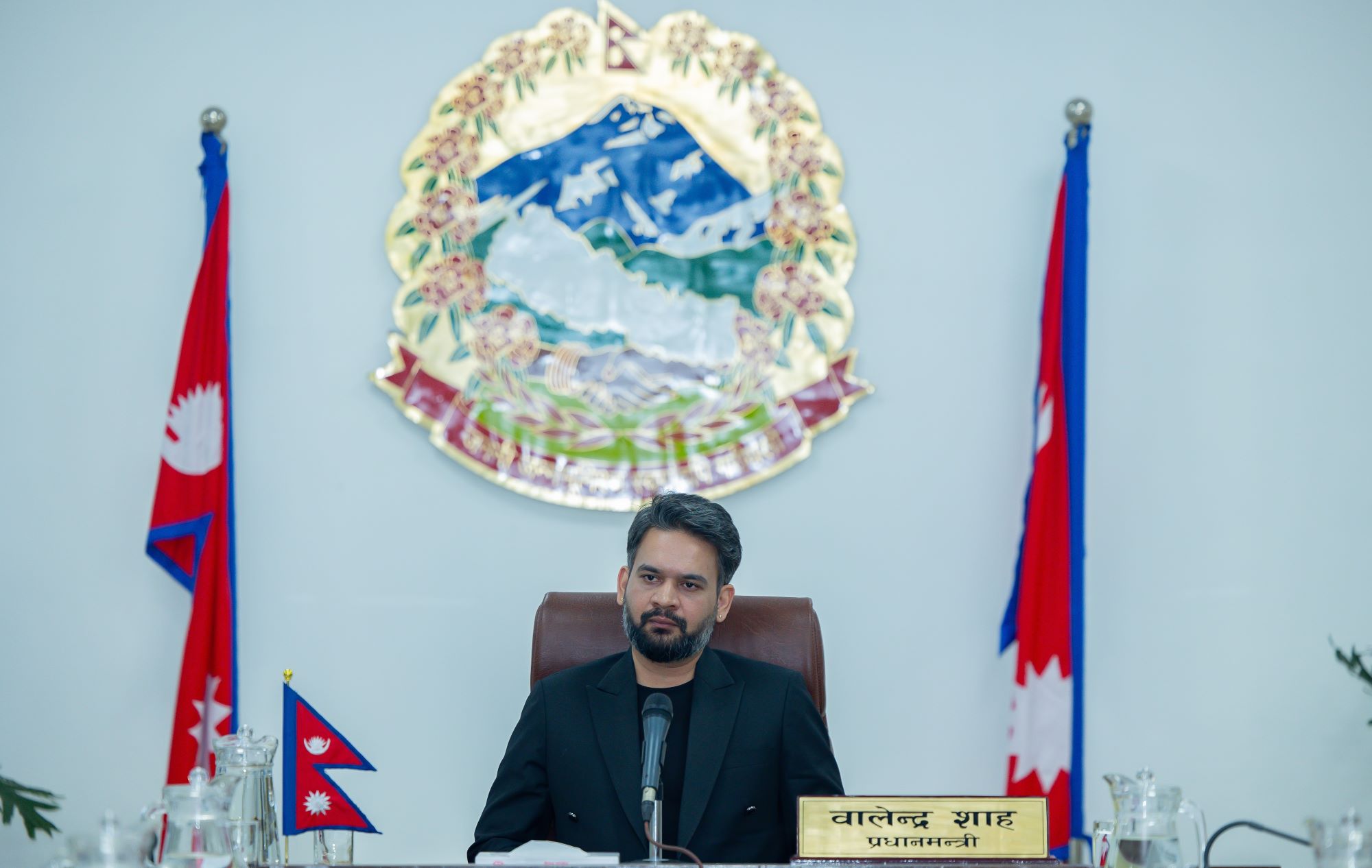
Kathmandu— Following a series of flash floods that struck the Bhotekoshi and Trishuli Rivers on Wednesday, Nepal’s Prime Minister Balendra Shah announced the government’s immediate prioritization of saving lives, searching for missing persons, and providing aid to those affected by the disaster. The floods, which impacted multiple districts including Rasuwa, Nuwakot, Dhading, and Gorkha, have resulted in significant loss of life and widespread damage to infrastructure. The Prime Minister detailed a full mobilization of security forces and emergency services, alongside preparations at major Kathmandu hospitals to receive injured citizens.
Scale of the Disaster
According to Prime Minister Shah, as of Wednesday, 95 people have lost their lives in the floods. He expressed deep sorrow over the loss and extended heartfelt condolences to the families of those affected, assuring them that the government and all citizens stand with them during this time of grief. The most severely impacted areas include Bidur in Nuwakot, Uttargaya and Gosaikunda in Rasuwa, and several municipalities within Dhading and Gorkha districts.
Government Response and Mobilization
The government swiftly responded to the disaster by convening emergency meetings of the National Disaster Risk Reduction and Management Authority (NDRRMA), the National Security Council, and the Council of Ministers. These meetings resulted in decisions to intensify rescue, search, and relief operations. Teams from the Nepali Army, Armed Police Force, and Nepal Police were immediately deployed to affected areas to save lives and conduct searches. Additionally, 100 beds have been allocated at Bir Hospital and the National Trauma Centre in Kathmandu for free treatment of injured citizens, with other hospitals prepared to provide support as needed.
Medical Support and Resource Coordination
Medical teams and rescue personnel from organizations including the Nepal Scout, World Health Organisation, and Nepal Red Cross Society have been dispatched to the disaster-hit regions. The government is coordinating with the Blood Transfusion Centre, Ministries of Health in Bagmati and Gandaki Provinces, Lions Club, and Nepal Scouts to ensure an adequate supply of emergency health services, medicines, and blood for those affected. Continuous efforts are underway to collect detailed information on casualties, injuries, and damage to infrastructure in consultation with local authorities and federal lawmakers.
Ongoing Relief and Rehabilitation Efforts
Prime Minister Shah assured the public that the government is working tirelessly to mitigate the disaster’s impact and restore normalcy. He stated that search efforts for missing persons will be intensified, and detailed assessments of injuries and infrastructure damage are being conducted. The provision of essential supplies such as food, drinking water, medicines, and temporary shelters is a priority, alongside plans to repair damaged roads, bridges, electricity systems, and water projects. Rehabilitation of displaced people is also considered an equal priority.
The government continues to coordinate relief efforts and assess the full extent of the damage caused by the floods, with ongoing operations focused on rescue, treatment, and providing essential support to affected communities.
Originally published on abcnews.com.np.
प्रतिक्रिया दिनुहोस्