

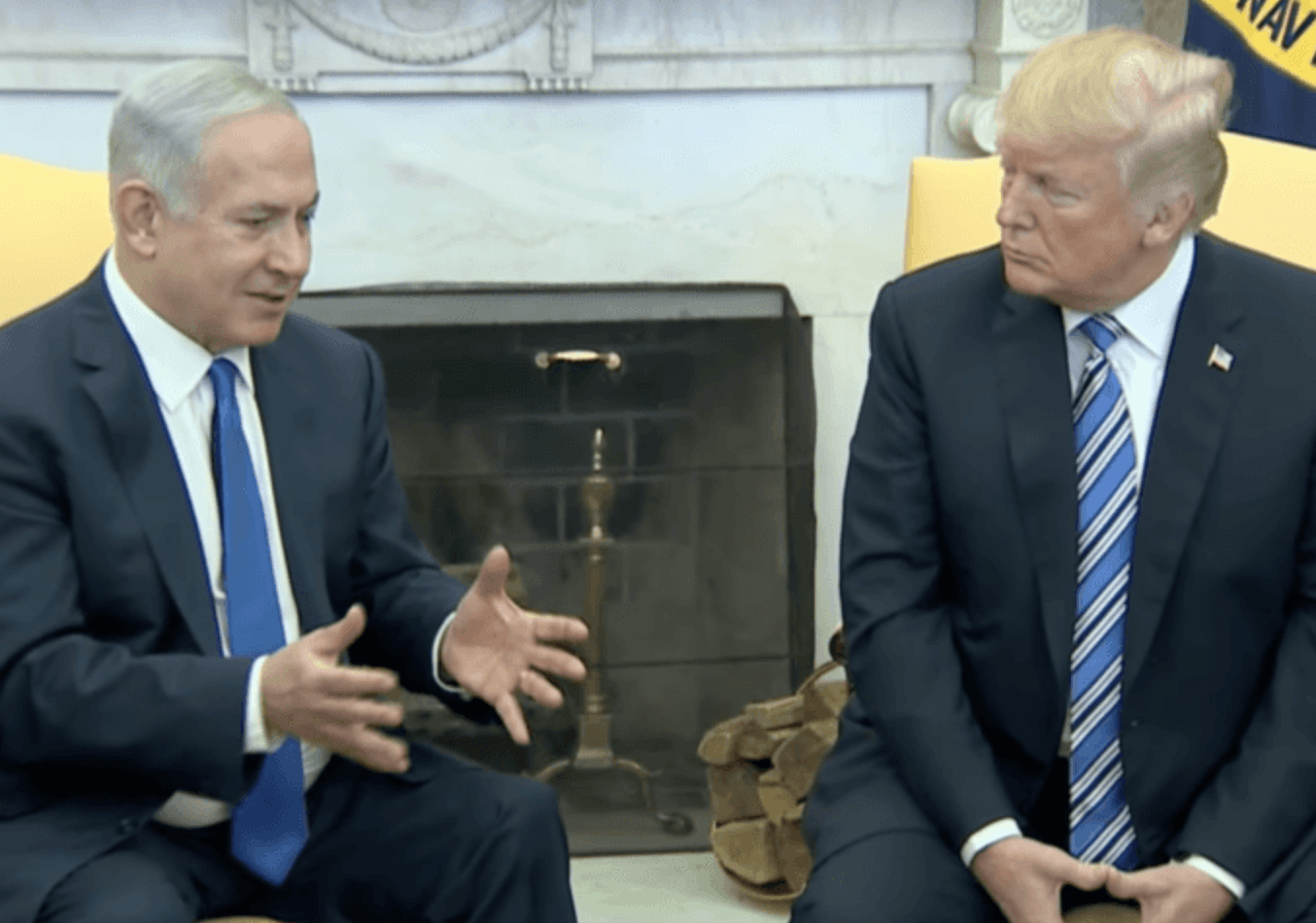
Kathmandu— The number of armed conflicts involving states has surpassed sixty globally, according to the Uppsala Conflict Data Program (UCDP), a figure that prompts reflection on historical patterns of warfare. Drawing parallels between contemporary crises and those preceding World War II, author Antonio Piccarolo’s 1940 essay *A Guerra e a Paz na História* (War and Peace in History) offers insights into the underlying causes of conflict—particularly the roles of ambition, mistrust, and economic factors—and suggests that leaders like Donald Trump and Benjamin Netanyahu embody principles outlined by philosopher Thomas Hobbes. The analysis frames current tensions, including conflicts involving Russia, Israel, and Iran, as potentially indicative of a broader, evolving global war.
Echoes of the Past
The author discovered Piccarolo’s work in a São Paulo bookstore while contemplating the surge in armed conflicts worldwide. Published just after the outbreak of WWII, *A Guerra e a Paz na História* was written as a response to a reader's challenge and represents an intellectual exploration of war’s historical roots. The timing of this discovery felt significant, described by the author as a case of Jungian synchronicity—a meaningful coincidence that highlighted the relevance of Piccarolo’s analysis to present-day events.
Hobbes and the Logic of Conflict
Piccarolo revisited the ideas of Niccolò Machiavelli while identifying Thomas Hobbes, author of *Leviathan*, as a particularly reactionary philosopher of war. According to Piccarolo's interpretation, Hobbes’ theories—which posit that humans are inherently self-interested and prone to conflict—offer a disturbing framework for understanding the actions of certain geopolitical actors. Hobbes argued that in a “state of mutual distrust,” pre-emptive force is justified to achieve dominance and security, driven by rivalry, mistrust, and ambition.
Leviathan Reborn
Hobbes’ concept of an absolute state—a ‘mortal god’ founded on human will rather than divine decree—resonates with the author as a blueprint for dictatorships and tyrannical regimes. Piccarolo suggests that this model applies to contemporary far-right populists like Trump and Netanyahu, who embody Hobbesian principles in their pursuit of power. The author contends that these leaders represent a modern incarnation of Leviathan—the monster of primordial chaos described in the Book of Job—dragging the world toward a third world war.
Economic Roots and Media Manipulation
Piccarolo argued that while conflicts often manifest under ideological or religious pretenses, their true cause is always economic. He lamented the role of the press in concealing these underlying motives, noting how media outlets can be used to stir up discord and fuel hatred. The author points out that Piccarolo’s observations about traditional media are even more relevant today, given the proliferation of digital platforms and social media as instruments of war.
A Call for Pacifism
The author concludes by advocating for a pacifist resistance to these destructive forces, echoing Piccarolo's belief that people do not inherently desire war. He emphasizes that it is those who profit from conflict—including biased journalists—who manipulate public opinion and create a climate conducive to violence. The author suggests the diplomatic efforts of BRICS nations may be currently containing this veiled version of global conflict.
The analysis frames current geopolitical tensions as potentially indicative of a broader, evolving global war, urging resistance through pacifism and critical media literacy.
(With inputs from CounterPunch)
Originally published on abcnews.com.np.





प्रतिक्रिया दिनुहोस्