

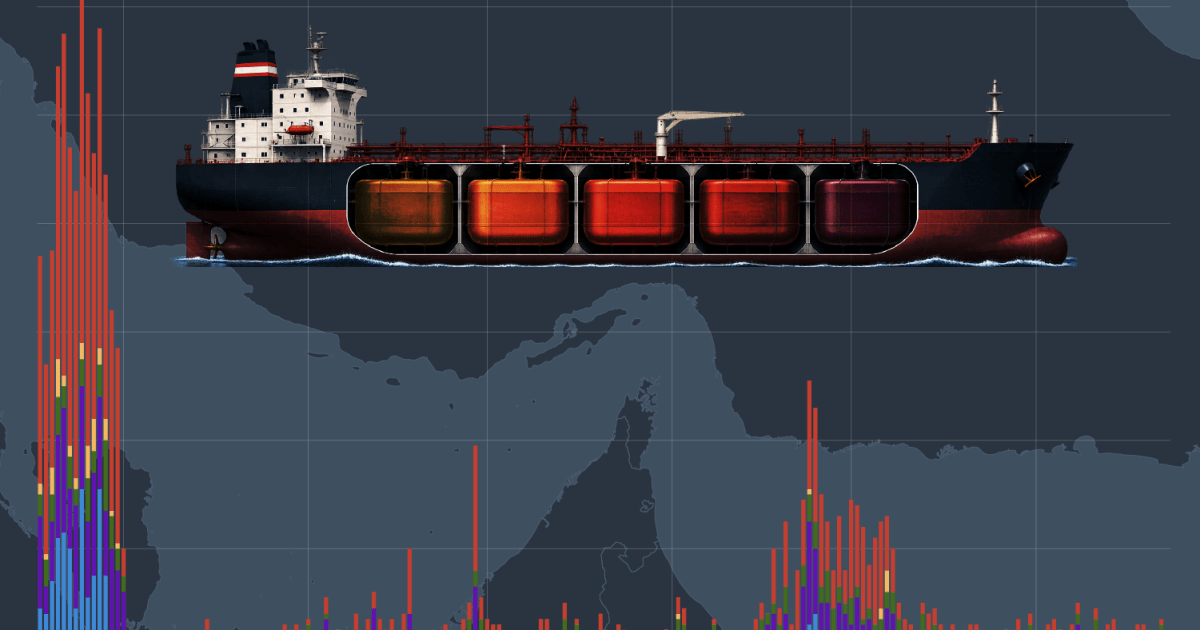
Kathmandu— Six months into a conflict involving the United States and Israel, the Strait of Hormuz remains effectively closed, causing one of the most significant maritime shipping disruptions in decades. Traffic through the 33km chokepoint has plummeted by 95 percent – from over 100 vessels daily to just five – impacting the flow of oil, gas, and goods globally, as roughly 80 percent of world trade relies on sea transport. The crisis highlights the vulnerability of critical shipping lanes to geopolitical instability and is reshaping global energy routes.
The Importance of Maritime Shipping
Approximately 80 percent of all goods traded worldwide spend time aboard a vessel, making maritime shipping essential to the global economy. Different types of ships cater to specific cargo needs; oil tankers carry crude oil and refined petroleum, container ships transport consumer goods in standardized containers, and dry bulk carriers move raw materials like grain and coal. Before the current crisis, Lloyd’s List estimated that approximately 7,000 vessels transited the Strait of Hormuz annually.
A Critical Chokepoint
The Strait of Hormuz is a vital artery for global energy trade, carrying more than one-third of all seaborne crude oil and nearly one-third of liquefied petroleum gas (LPG). Unlike other chokepoints, it lacks an alternative maritime route, making it particularly vulnerable to disruption. Richard Matthews, director of consultancy and research at Gibson Shipbrokers, noted that this is “the first time we’ve really seen a major constriction of a choke point,” due to the lack of viable alternatives.
Before the conflict began, the strait handled roughly 38 percent of global crude oil flows, 29 percent of LPG, and 19 percent of LNG. However, since the start of hostilities, crude exports from Gulf region countries have fallen by nearly half, with direct shipments through the strait dropping to an average of just 2.2 million barrels per day.
Traffic Plummets and Routes Divert
Prior to the conflict, around 100 ships traversed the Strait of Hormuz daily. Following strikes on Iran in late February, traffic dwindled to an average of five vessels a day – a nearly 95 percent decrease – and remained at that level despite a brief ceasefire and subsequent US blockade of Iranian ports. Today, the strait remains largely closed, with remaining vessels either operating under naval escort or disabling their tracking systems.
The closure has forced a redrawing of global shipping routes, pushing traffic towards the Red Sea and Southeast Asia, particularly Singapore and Malaysia, which are emerging as hubs for redirected energy flows. Russia’s fuel oil shipments to these countries have increased significantly.
Impact on Global Economies
The disruption is being felt worldwide through rising prices and longer wait times for essential goods. Countries heavily reliant on Middle Eastern oil, gas, and fertilizer – including Eritrea, Madagascar, Pakistan, Japan, and Kenya – are facing the most significant challenges. While some countries like Saudi Arabia have mitigated the impact through pipelines and Red Sea ports, others, such as Kuwait, have experienced an 86 percent drop in port calls.
Future Outlook
Industry experts suggest that this crisis surpasses many previous disruptions, including the COVID-19 pandemic. The ease with which shipping can now be disrupted by drones and other attacks represents a new challenge for the industry. While oil prices have risen by approximately 20 percent since the start of the conflict, they remain somewhat muted due to previously built-up inventories. However, those reserves are dwindling, suggesting that the next six months could see increased volatility.
The situation in the Strait of Hormuz remains unstable, and continued disruption could lead to further price increases and supply chain challenges if conditions do not improve.
(With inputs from Al Jazeera)
Originally published on abcnews.com.np.


प्रतिक्रिया दिनुहोस्