

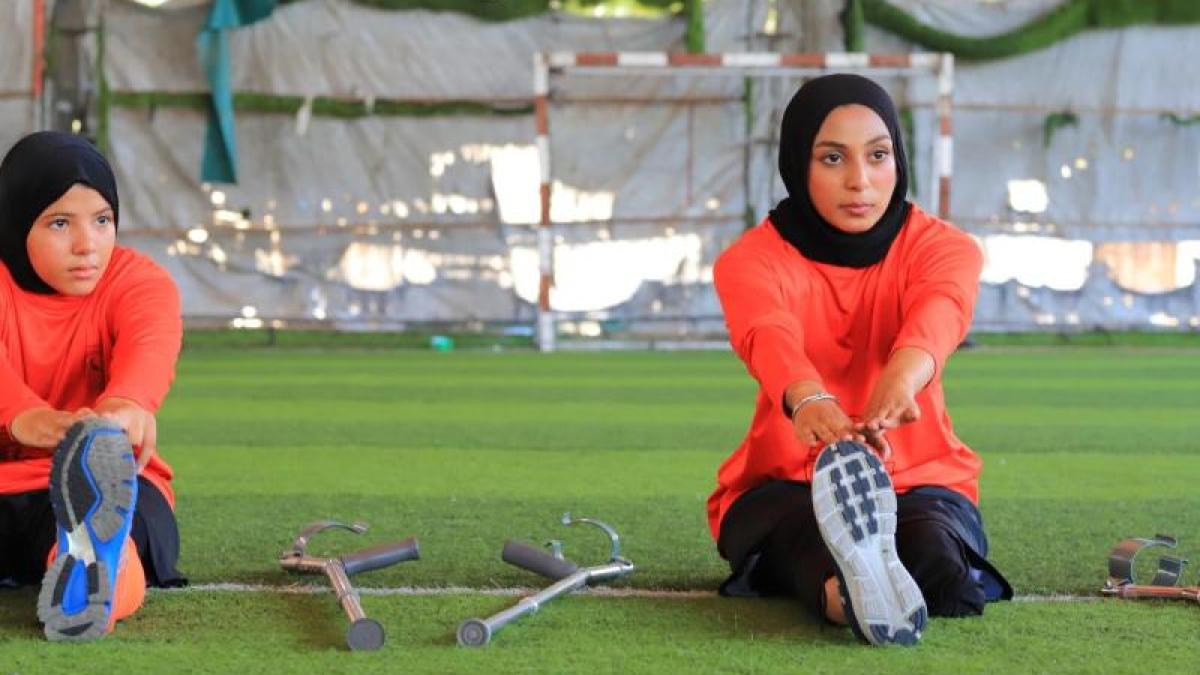
Kathmandu— Before Israel's war on Gaza, 24-year-old Shurouq Khaira was a promising athlete with dreams of competing internationally. However, her life changed dramatically when she lost her right leg below the knee in an Israeli airstrike in November 2023. Now living under harsh conditions and facing severe shortages of medical supplies and prosthetics due to Israel's blockade, Shurouq and other young amputees struggle daily with mobility and rehabilitation.
Impact on Daily Life
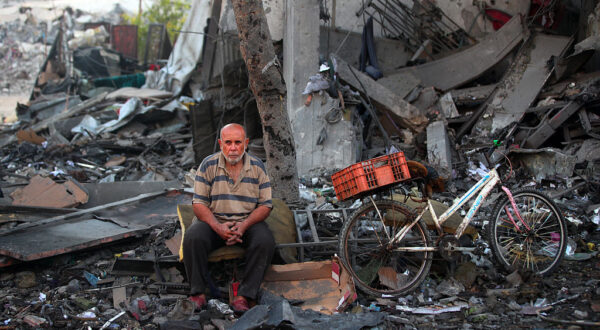
Shurouq’s life has become a continuous struggle since the war. She lives in a tent due to her home being destroyed, and nights are particularly difficult as she navigates the dark with crutches. The streets of Gaza are largely made up of sand and rubble, making movement challenging. Shurouq hopes for a prosthetic leg but is still waiting, which complicates her regular physical therapy appointments.
Medical Shortages
The Gaza Ministry of Health reports around 6,000 amputations since the war began in November 2023. About a quarter of these cases are children, making it the largest source of child amputees in modern history according to the United Nations. Orthopaedic surgeons say many amputations could have been avoided if not for the collapse of Gaza’s healthcare system and shortages of surgical supplies due to Israel's restrictions on imports.
Mental Health Challenges
Physical therapist Bissan Kloub highlights that delays in starting rehabilitation programs can lead to severe muscle weakness, joint stiffness, and skin swelling. The mental health impact is significant for young amputees like Shurouq and 18-year-old Shireen Abu al-Qumsan, who also lost both legs in an Israeli attack. Both face daily challenges of mobility and the psychological toll of living with amputations under constant insecurity.
(With inputs from Al Jazeera)
More from the source

Originally published on abcnews.com.np.

प्रतिक्रिया दिनुहोस्