

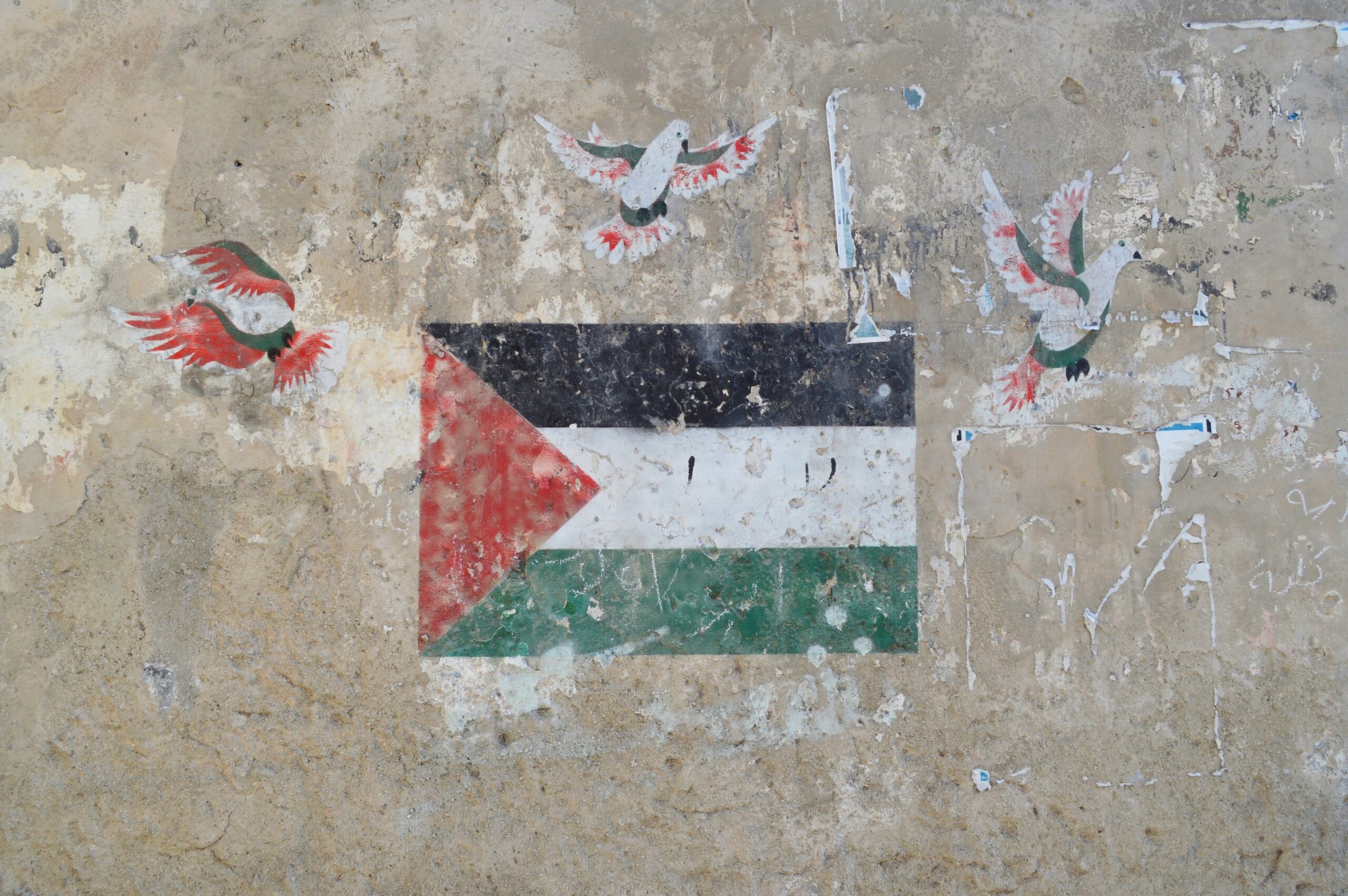
Kathmandu— Donald Trump announced on Thursday, July 30th, what he termed a breakthrough agreement – a phased plan requiring the Palestinian Resistance to disarm and Israel to withdraw from Gaza – in an effort to resolve the ongoing conflict. The Palestinian Resistance accepted the plan, but Israeli Prime Minister Benjamin Netanyahu rejected it outright on August 9th, dismissing the fifteen-point document as unacceptable; Trump responded by characterizing the rejection as election posturing while Israel continued military strikes across Gaza.
Plan Rejection Fuels Existing Tensions
Rather than condemn Israel’s rejection of his plan, Trump downplayed it as typical political maneuvering. This response drew criticism, particularly after Israeli Defense Minister Israel Katz doubled down on the stance three days later, stating that Israel would not withdraw from Gaza, Lebanon, or Syria. The rejection reflects a broader sentiment within Israel; a poll last summer revealed 76% of Israelis view the 2005 withdrawal from Gaza as a mistake, and half now support re-establishing settlements there.
Israeli Strikes Continue Amidst Negotiations
Following Trump’s announcement, Israel launched intensive strikes across Gaza over two days, resulting in the deaths of 26 Palestinians and injuries to 76. A particularly devastating strike targeted medicine warehouses connected to Al-Aqsa Martyrs Hospital in Deir el-Balah, damaging vital medical supplies including intravenous fluids, dialysis equipment, and intensive care medication. The attack also resulted in the deaths of Abdullah Abu Taif, his pregnant wife Abeer Anan, their five-year-old son Azzam, and an unborn child in Gaza City’s al-Sousi Tower, as well as Mahmoud al-Hams, his wife Fatima, and their daughter near Khan Younis.
History of Broken Agreements
The current situation echoes past instances of Israel failing to uphold agreements. In October 2025, Israel secured the release of captives under a deal conditioned on ending the war but did not fully deliver on its commitments. Since the ceasefire on October 10, 2025, Israel has violated it over 4,000 times, resulting in the deaths of 1,300 Palestinians – exceeding the number of Israelis killed on October 7th. Furthermore, food aid deliveries have been significantly reduced, and the territory Israel was expected to withdraw from has expanded from 53% to 70%. Any future withdrawal negotiations would likely begin from this expanded line of occupation.
US Authority Questioned
Netanyahu’s rejection of Trump’s plan is seen as a demonstration of Israel's defiance towards the United States. By openly disregarding an American president’s demands without facing consequences, Netanyahu sends a message that Israel can operate independently of Washington and force the U.S. to absorb any resulting political costs. The author argues this pattern has persisted under both Trump and Biden administrations, leaving behind a legacy of enabling Israeli actions.
The future remains uncertain as Israel continues to expand its occupation and disregard international agreements, raising doubts about the possibility of a lasting peace in the region.
(With inputs from CounterPunch)
Originally published on abcnews.com.np.


प्रतिक्रिया दिनुहोस्