

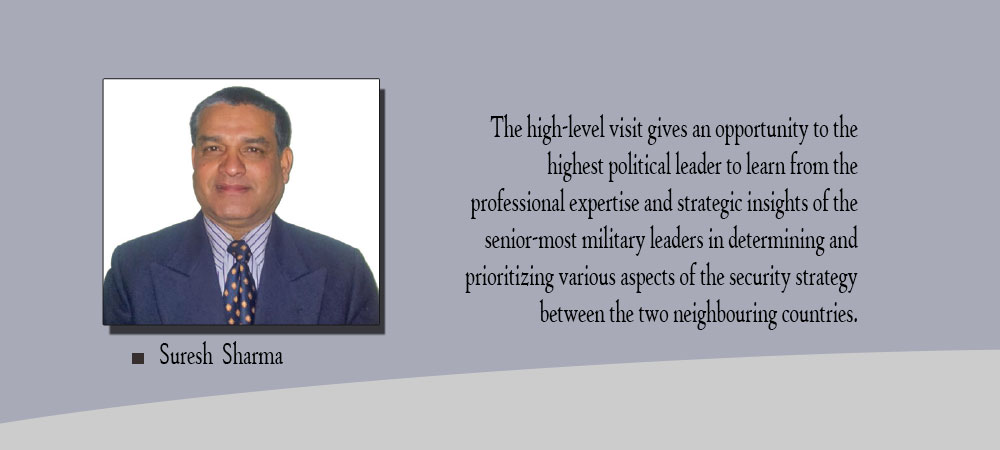
Kathmandu— The relationship between the Nepali Army and the Indian Army is deeply ingrained in a shared history, geographical proximity, cultural connections, and consistent professional engagement. This camaraderie forms a key component of the broader bilateral ties between the two neighboring nations, originating in the 18th century with the recruitment of Nepal-domiciled Gorkha soldiers into the Indian Army and continuing to this day through training, modernization efforts, and joint peacekeeping operations. The enduring partnership serves both countries’ security interests while fostering friendly relations.
Historical Roots of Military Cooperation
The foundations of military ties between Nepal and India stretch back centuries, beginning with the tradition of recruiting Gorkha soldiers into the Indian Army. India recognizes this history, noting its pride in the long-standing enlistment of Nepali Gorkhas, who have contributed to India’s security both during British rule and after independence in 1947. These soldiers have served in conventional and unconventional roles, and continue to do so today in response to modern security challenges along India's borders.
Foreign Policy and Defence Priorities
Nepal’s foreign policy is guided by the principle of “amity with all, enmity with none,” emphasizing balanced and peaceful relations with all nations. Defence policy, as a crucial element of this broader strategy, focuses on ensuring national security through military means and fostering favorable conditions for cooperation with foreign armies through military diplomacy. Despite increasing global interconnectedness, both countries recognize that military strength remains vital in safeguarding national interests and promoting regional stability.
Modernization and Joint Training
The Indian Army has played a significant role in the modernization of the Nepali Army, influencing its organizational structure, operational capabilities, and weapon systems. This support extends beyond equipment to include training cooperation and assistance with hardware maintenance, though Nepal emphasizes that modernization efforts must ultimately align with its own security needs. Annual joint military exercises, such as the 18th edition of Surya Kiran held from December 31, 2024, to January 13, 2025, are key for enhancing interoperability and preparing for complex disaster management scenarios.
Symbolic Gestures and Peacekeeping Efforts
The tradition of conferring the honorary rank of General upon each other’s Army Chiefs symbolizes the deep camaraderie and mutual trust between Nepal and India. Both nations are also significant contributors to international peacekeeping missions, with Nepal currently ranking first among troop-contributing countries as of June 11th, 2026, having deployed forces across nine missions worldwide. Sharing experiences and lessons learned from these deployments further strengthens their military partnership on a global scale.
Continued high-level military visits are expected to serve as platforms for strategic dialogue, fostering shared understanding of transnational security concerns and reinforcing the long-standing relationship between Nepal and India.
(With inputs from RN)
Originally published on abcnews.com.np.


प्रतिक्रिया दिनुहोस्