

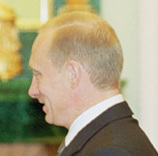
Kathmandu— The remains of Zhu Rongji, a prominent figure in Chinese politics and former Premier of the State Council, will be cremated in Beijing today. Zhu died on August 12th at the age of 98 after a long career serving within the Communist Party of China (CPC). He held key positions including membership in the Standing Committee of the Political Bureau of the 14th and 15th Central Committees of the CPC, and led the State Council as premier. The cremation follows an official obituary praising his decades of service to the nation.
A Distinguished Career
Zhu Rongji’s career spanned decades within the highest levels of the Chinese government. He served as a member of the Standing Committee of the Political Bureau of both the 14th and 15th Central Committees of the CPC, demonstrating consistent trust from party leadership. His tenure as Premier of the State Council, lasting from 1998 to 2003, saw significant economic reforms and modernization efforts within China.
National Mourning Period
In recognition of Zhu’s passing, a period of national mourning is underway across China. As part of this observance, national flags will be flown at half-mast on Tuesday at numerous key locations including Tian'anmen Square, the Xinhuamen building, and the Great Hall of the People. Flags will also be lowered at provincial government seats, in Hong Kong and Macao Special Administrative Regions, and at Chinese diplomatic missions abroad.
Official Commendations
An official obituary released jointly by the CPC Central Committee, the Standing Committee of the National People's Congress, the State Council, and the National Committee of the Chinese People’s Political Consultative Conference lauded Zhu Rongji as a dedicated member of the Communist Party. The statement described him as “an excellent Party member, a time-tested and loyal communist fighter, and an outstanding proletarian revolutionist, statesman and leader of the Party and the state.” This formal recognition underscores his significant contributions to China’s development.
The cremation marks the end of an era for a key figure in modern Chinese history. His legacy will likely be remembered through continued analysis of his economic policies and political leadership.
(With inputs from Xinhua)
Originally published on abcnews.com.np.



प्रतिक्रिया दिनुहोस्