

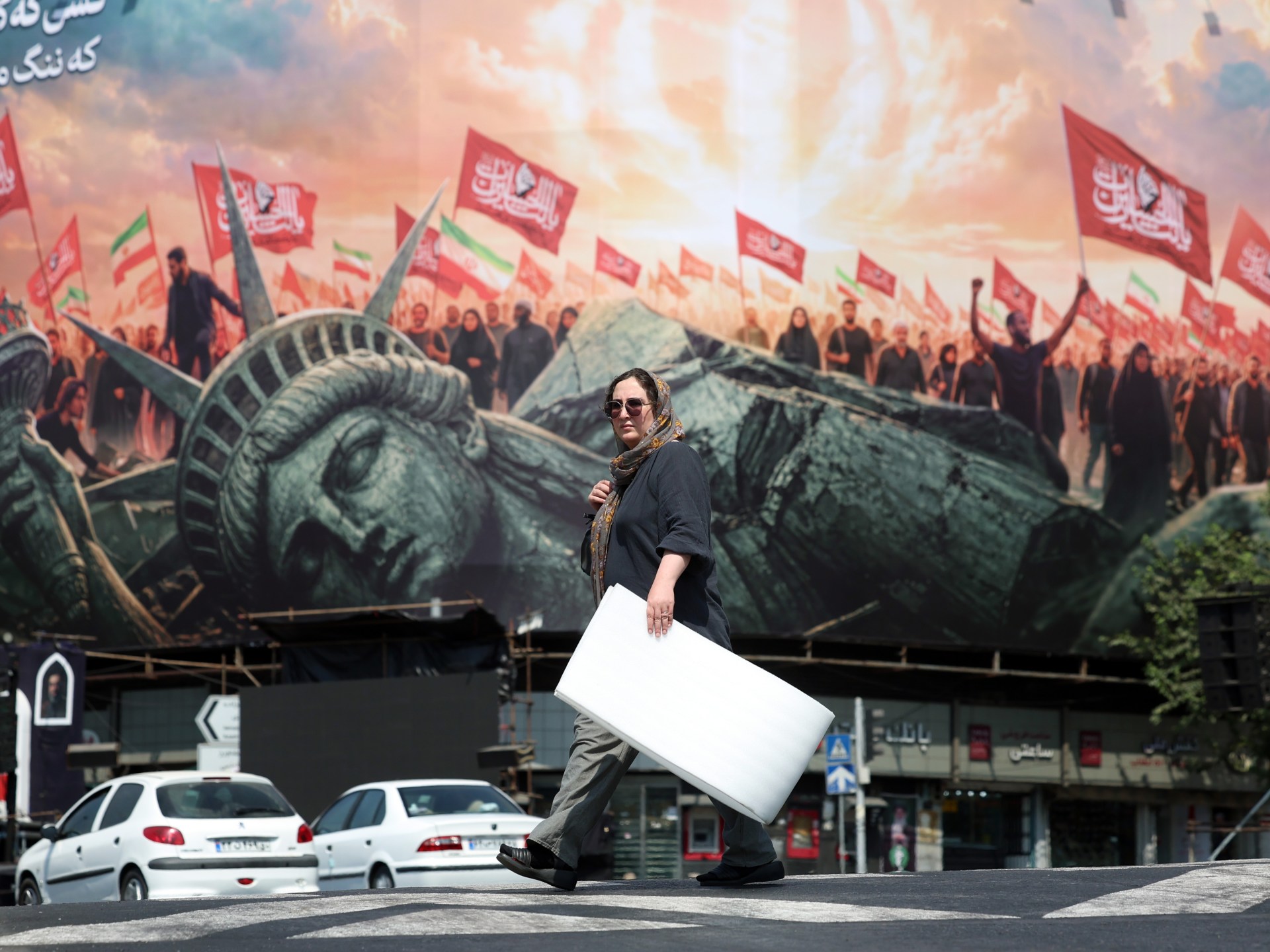
Kathmandu— A Memorandum of Understanding (MoU) aimed at ending hostilities between the United States and Iran is set to expire on Monday, signaling a potential return to heightened tensions in the Gulf region. Signed in June following talks hosted by Pakistan, the agreement sought to halt over three months of conflict that had disrupted commercial activity and killed thousands; however, both Washington and Tehran have accused each other of violating its terms for weeks. Iranian Foreign Minister Abbas Araghchi stated Saturday that negotiations for an extension haven’t been scheduled, while US President Donald Trump announced Friday his intention to claim control of the strategically vital Strait of Hormuz.
The Terms of the Agreement
The MoU, signed by both President Trump and Iranian President Masoud Pezeshkian, aimed for an immediate end to military operations with a commitment to a “final deal” within 60 days—a deal that would be endorsed by the UN Security Council. The US pledged to end its naval blockade, remove forces from near Iran following the final agreement, and initiate a reconstruction package of at least $300 billion for Iran, including lifting sanctions and releasing frozen funds. In return, Iran was to clear mines from the Strait of Hormuz and allow free passage for ships for 60 days, while also reaffirming its commitment not to pursue nuclear weapons.
Disputes Over Implementation
Despite initial hopes, disagreements quickly emerged over the interpretation and implementation of the MoU. The US and Iran held differing views on whether it constituted a full ceasefire or merely an interim agreement, leading to accusations of violations from both sides. By late June, President Trump claimed Iranian strikes were “a foolish violation” of the deal, while Tehran countered that US actions breached Article 1 of the memorandum. The US continued military operations, including attacks on what Iran described as civilian infrastructure, resulting in at least 50 deaths, and failed to fully lift sanctions or deliver promised reconstruction aid.
Shifting Positions and Future Demands
Recent leadership changes within Iran’s national security apparatus suggest a more assertive stance in future negotiations. The appointment of Mohsen Rezaee as head of the Supreme National Security Council is intended to better coordinate military and civilian operations, signaling a willingness to push for greater concessions. Analysts predict that Iran will likely demand an end to the war in Gaza, complete lifting of sanctions, an end to the blockade of Yemen, and even the denuclearization of Israel in any new talks. Meanwhile, President Trump has escalated rhetoric, announcing plans to formally claim the Strait of Hormuz as US territory and promising unprecedented economic measures against Iran.
Limited Options for Both Sides
With limited options remaining, both countries appear entrenched in their positions. The US has depleted its stocks of interceptor missiles, drained strategic oil reserves, and extended deployments of key military assets. Barbara Slavin, a fellow at the Stimson Center, noted that Tehran has demonstrated its ability to inflict economic damage by disrupting traffic through Hormuz. According to Slavin, Iran is playing hardball, furious with the Trump administration for not fulfilling the terms of the original agreement.
Iranian Claims of Victory
Mohammad Galibaf, Speaker of the Iranian Parliament, expressed confidence in Iran’s position on Saturday, stating that the concessions secured through the MoU represent “a source of pride and victory.” He asserted that Iran emerged victorious both militarily and politically from the conflict.
With the expiration of the MoU, the situation remains volatile. While a new agreement could emerge after US midterm elections, analysts suggest any resolution will likely involve significant concessions to Iran regarding control over the Strait of Hormuz.
(With inputs from Al Jazeera)
Originally published on abcnews.com.np.



प्रतिक्रिया दिनुहोस्