

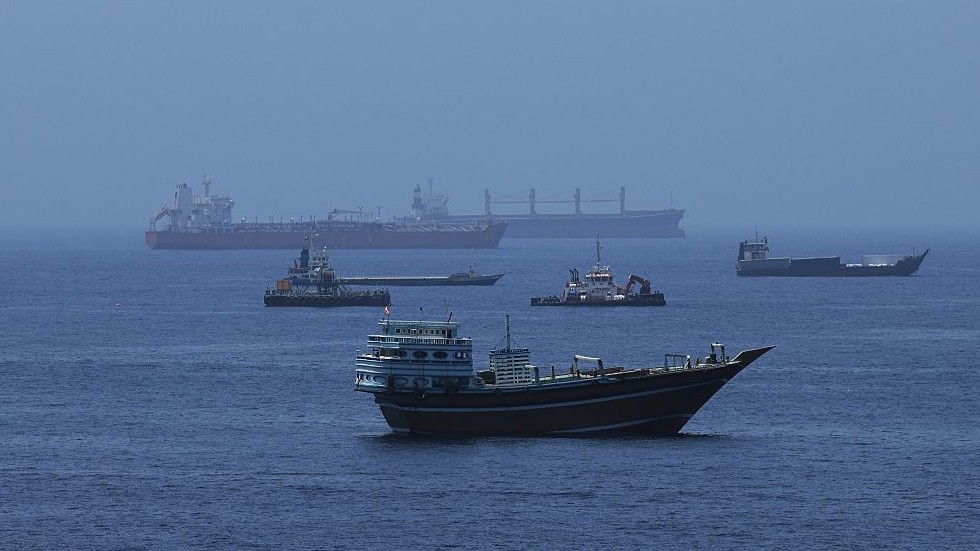
Kathmandu— Gulf states are covertly shipping significant volumes of oil through the strategically vital Strait of Hormuz—a waterway disrupted by conflict between the US and Iran—using tankers that have switched off their tracking transponders, according to sources familiar with the shipments. The practice, dubbed a ‘dark trade,’ has allowed these nations to maintain crude exports despite intermittent attacks and a de facto closure to normal traffic, initially driving global oil prices higher before stabilizing them in the $80-$90 per barrel range through a combination of factors. The UAE’s ADNOC reports 23 of its vessels have been attacked since the conflict began, resulting in one fatality and twenty injuries.
Disrupted Passage, Stable Prices
The Strait of Hormuz has historically facilitated approximately a quarter of the world's seaborne oil trade. Recent conflicts initially caused global oil prices to surge to nearly $120 per barrel, prompting fears of further increases; some experts predicted prices could reach $150 in coming months. However, traders and analysts report that covert shipments, alternative pipeline routes, strategic stockpile releases, and decreased demand have collectively helped maintain a more stable price range between $80 and $90 a barrel.
‘Dark’ Transits and Gulf State Activity
The UAE, Iraq, Qatar, and Kuwait are reportedly utilizing these ‘dark’ tanker transits to move crude oil through the Hormuz Strait. Once past the disrupted passage, the oil is transferred to other vessels in the Gulf of Oman. The volume of oil shipped via this method exceeds previous market estimates of 4 million barrels per day, though the exact amount remains undisclosed. Saudi Arabia also appears to be preparing for increased use of the route, with sixteen supertankers positioned off the coast of Oman and three more expected soon; these vessels have a combined capacity of up to 38 million barrels.
Heightened Risks and Insurance Demand
Despite the dangers, insurers are reporting a consistent flow of coverage requests from Gulf producers. Pankaj Khanna, CEO of Heidmar Maritime Holdings, described the situation as “a dark trade,” stating it is currently the only viable option for many despite reluctance among shipowners to accept the associated risks. ADNOC has reported 23 attacks on its vessels since the beginning of the conflict, resulting in one death and twenty injuries; two additional vessels were attacked last week, though all crew members were unharmed. UAE authorities have blamed Iran for these attacks and called for the reopening of the strait.
The situation remains volatile, with ongoing risks to maritime traffic despite efforts to maintain oil flow through covert means.
(With inputs from RT)
Originally published on abcnews.com.np.
प्रतिक्रिया दिनुहोस्