

Kathmandu— The United States and Israel have formed two joint working groups aimed at advancing President Donald Trump’s Gaza peace plan, but reconstruction of the devastated territory is being explicitly conditioned on the complete disarmament of Palestinian factions. The first committee will focus on demilitarization and dismantling tunnels in Gaza, while the second addresses humanitarian needs like sanitation and clean water; however, analysts warn these efforts may bypass Palestinian governance and prioritize Israeli security interests. These developments follow talks between US envoy Jared Kushner and Israeli Prime Minister Benjamin Netanyahu, seeking to overcome existing deadlocks in the peace process.
Demilitarization as a Prerequisite
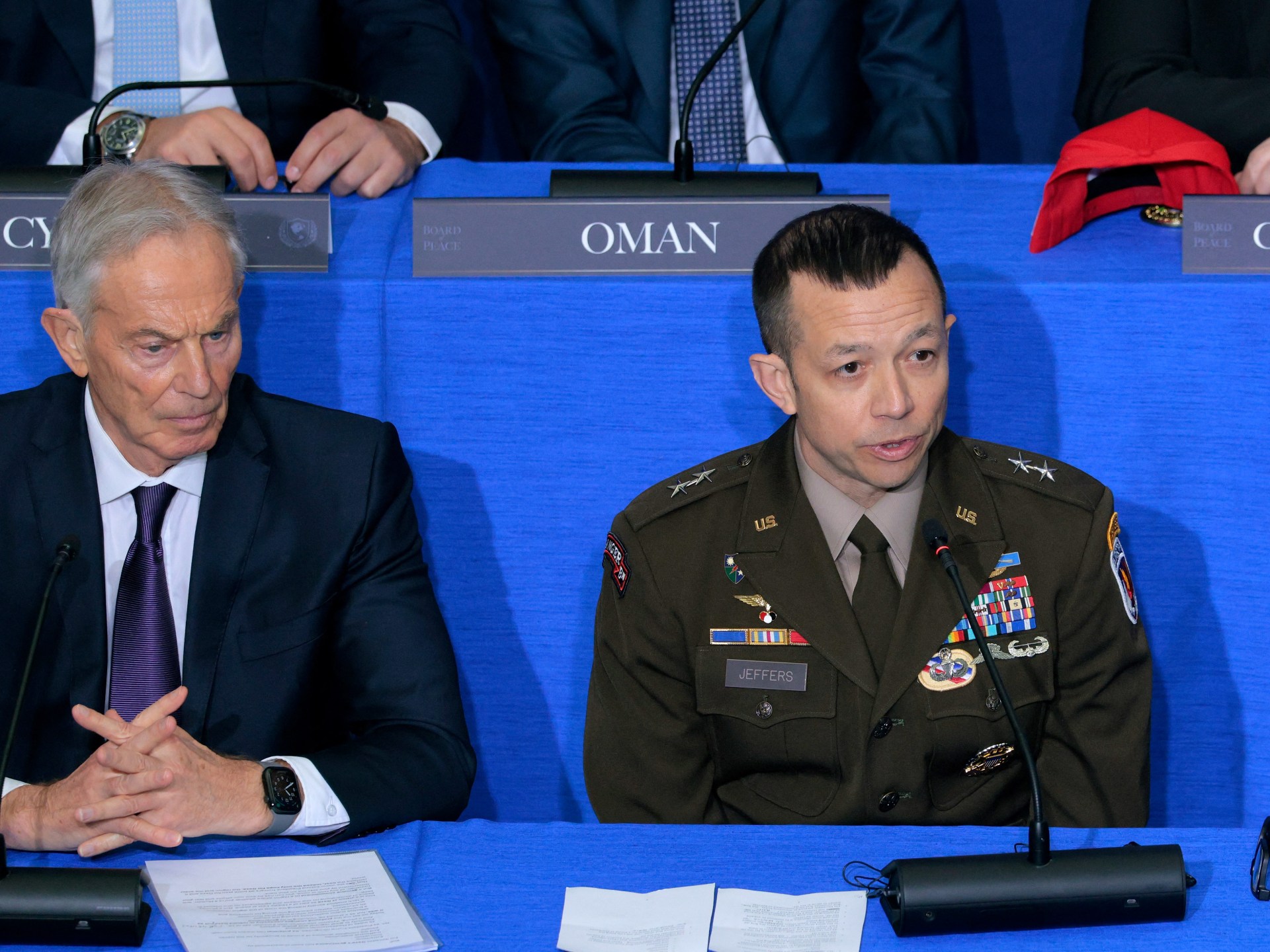
The primary focus of the first working group is the complete demilitarization of Gaza, requiring the collection and decommissioning of all weapons and the dismantling of its tunnel network. Kushner suggested that initial steps towards removing weapons and filling tunnels could occur within 60 to 90 days. Critically, any surrendered arms will not be transferred to the Palestinian National Committee for the Administration of Gaza (NCAG), but instead handed over directly to a US-led International Stabilization Force (ISF) under the command of US General Jasper Jeffers.
Humanitarian Concerns and Israeli Interests
The second working group is tasked with addressing urgent humanitarian needs in Gaza, including sanitation, clean water, and public health. However, analysts suggest that Israel’s motivation extends beyond purely humanitarian concerns, stemming from a “direct security and health interest” in preventing the collapse of essential services near its borders. Eyad al-Qarra, a Gaza-based political analyst, warned that focusing on localized municipal crises risks fragmenting a comprehensive political issue and maintaining Israeli control over vital resources like water and energy.
Roadmap Revisions and Regional Concerns
The US and Israel have linked the work of both committees, stating no broader rehabilitation will occur until the security panel completes its mandate. This sequence deviates from the original roadmap, which emphasized synchronization between disarmament and Israeli withdrawal. Qatar has condemned Israel’s perceived procrastination in implementing ceasefire agreements, warning that rejecting the comprehensive plan poses a risk to regional stability. Hamas has previously insisted on parallel progress regarding withdrawal and disarmament.
Bypassing Palestinian Governance?
Political analysts suggest these working groups represent an attempt to bypass Palestinian governance structures. Suleiman Bisharat, an expert in Israeli affairs, believes Israel aims to rebuild authorities in Gaza to ensure its continued hegemony, echoing a concept of military rule and civil administration reminiscent of the occupation. Nickolay Mladenov of the Board of Peace claimed Israelis are “going to give this a chance,” but critics argue that the unilateral formation of these panels sidelines key mediators like Qatar, Turkey, and Egypt.
The establishment of these working groups marks a significant shift in approach to Gaza’s reconstruction, prioritizing disarmament as a condition for aid and raising concerns about Palestinian autonomy. The success of this initiative hinges on navigating complex political dynamics and addressing the underlying issues driving instability in the region.
(With inputs from Al Jazeera)
Originally published on abcnews.com.np.


प्रतिक्रिया दिनुहोस्