

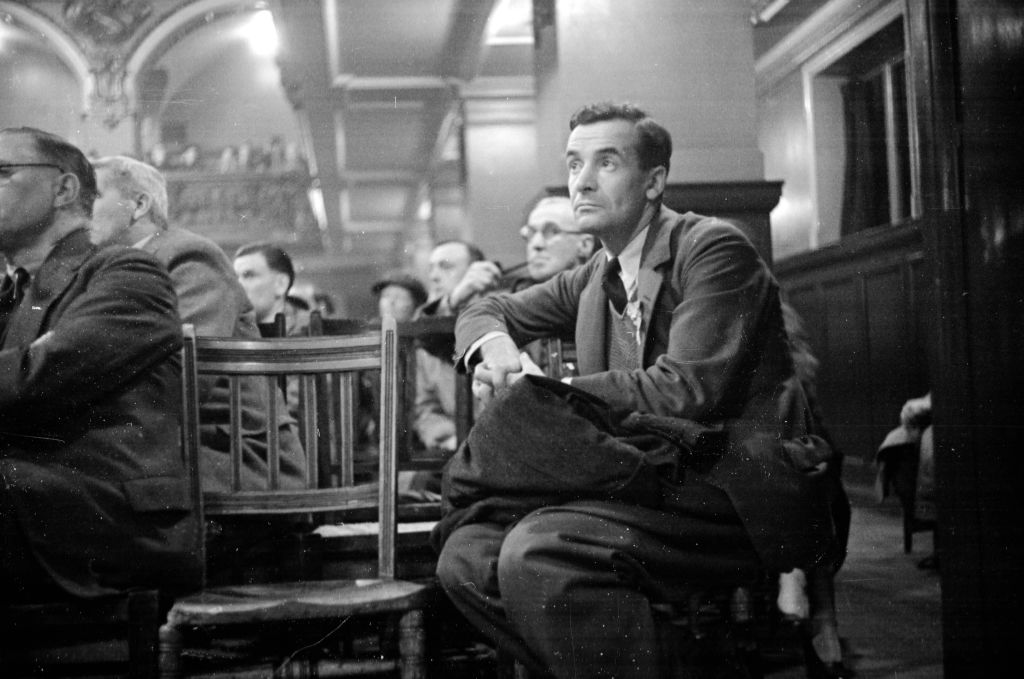
Kathmandu— For much of the twentieth century, Oxford and Cambridge universities served as a unique breeding ground for British political elites and intellectual thought, distinct from institutions on the continent. Historian Colin Kidd’s *Twilight of the Dons* details how these universities fostered an unusual blend of scholarly expertise and public service, with dons actively involved in wartime intelligence, government, and even social movements like nuclear disarmament. However, this era of influence waned as societal shifts, austerity measures, and the rise of market-driven higher education transformed Oxbridge from a center of national leadership into just another competitor for funding and students.
A Legacy Forged in War
The Second World War dramatically altered the role of Oxford and Cambridge dons, pulling them from their traditionally insular world into active service. Philosophers led reconnaissance squadrons, classicists aided resistance movements with their linguistic skills, and physicists contributed to wartime research, including the controversial area bombing campaign. This period saw a blurring of lines between academic inquiry and military objectives; scholars of ancient history were tasked with interpreting aerial photography, while intelligence officers utilized their expertise in deciphering codes and gathering information. The war cemented an unusual alliance between the dons and political elites, creating a ‘caste’ uniquely comfortable navigating both lecture halls and government ministries.
Post-War Vitality and Expanding Horizons
In the immediate post-war period, Oxford and Cambridge experienced a surge in intellectual vitality. Dons continued to engage with public life, but also spearheaded innovative approaches to higher education. Figures like Peter Laslett experimented with new technologies – including closed-circuit television broadcasts of lectures – and established institutions such as the Open University, aiming to broaden access to learning beyond traditional boundaries. This expansion was fueled, in part, by American funding, though some dons expressed concern about becoming overly reliant on external support. The universities also seeded new institutions across the country, exporting their educational model and fostering a wider network of academic excellence.
Intrigue and Ideological Battles
The Cold War era saw Oxbridge dons embroiled in unexpected controversies, notably surrounding the Kennedy assassination. A group of prominent scholars joined a British inquiry questioning the official Warren Commission report, promoting theories of conspiracy and drawing criticism from their American counterparts. This episode highlighted the dons’ willingness to challenge established narratives and engage in public debate, even when it led to transatlantic friction. Simultaneously, ideological battles raged within the universities themselves, with debates over structuralism, socialism, and the role of tradition shaping academic discourse.
The Rise of Market Forces and a Diminished Role
By the 1980s, the landscape of British higher education began to shift dramatically. Government funding cuts and the introduction of market-based principles forced universities to compete for students and resources. This new environment eroded the dons’ traditional influence and led to a decline in their engagement with public life. The cooperative model of resource sharing was replaced by cutthroat competition, and research responsibilities increased while opportunities for intellectual exchange diminished. Kidd argues that this shift has ironically resulted in less innovation and accessibility within UK universities.
A Lost Culture of Intellectual Curiosity?
Kidd’s history suggests that the decline of the dons represents a loss not just of tradition, but also of a unique culture of intellectual curiosity and public service. He warns against the dangers of prioritizing ‘efficiency and dullness’ over genuine scholarship and highlights the importance of fostering an environment where academic pursuits are valued for their own sake. The continued visibility of class rituals at Oxbridge, he notes, may serve as a distraction from the rise of new forms of power and privilege within the higher education system.
Kidd's work serves as both a historical account and a cautionary tale, urging a reevaluation of the values driving contemporary universities and a renewed commitment to fostering intellectual freedom and public engagement.
(With inputs from Jacobin)
Originally published on abcnews.com.np.





प्रतिक्रिया दिनुहोस्