

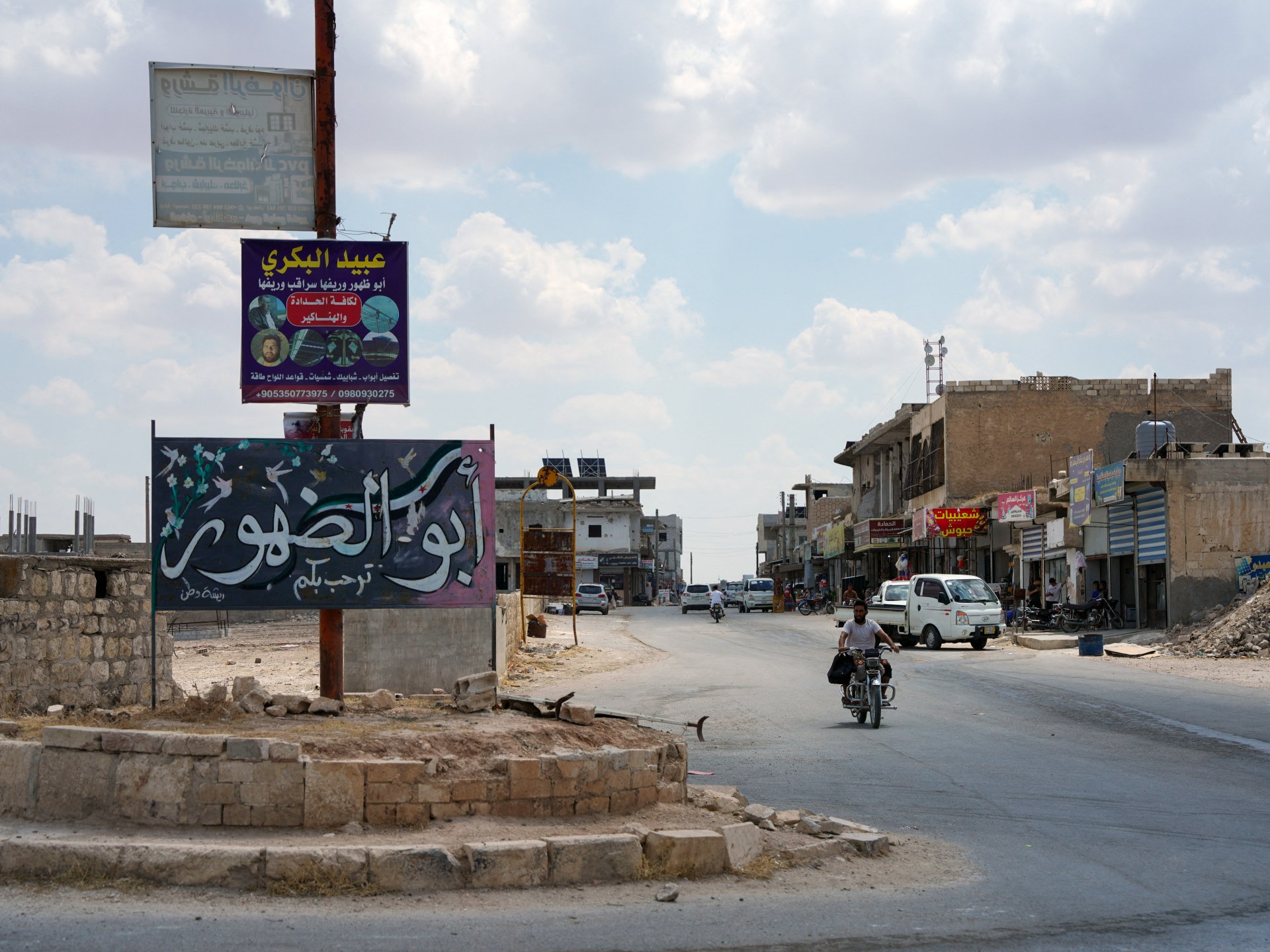
Kathmandu— Following a suspected Israeli attack on a Syrian airbase near Idlib, US Ambassador to Turkiye Tom Barrack proposed establishing a “deconfliction mechanism” involving Turkiye, Syria, and Israel to prevent further escalation; however, analysts suggest that Israel’s continued military actions and domestic political considerations are hindering efforts toward de-escalation in the region. The attack occurred as Syria, under a new government since December 2024, seeks improved relations with the West after more than a decade of war, while Israel has increasingly targeted Syrian infrastructure and shifted its focus from Iranian to Turkish influence within the country.
Shifting Israeli Tactics
Under the previous al-Assad regime, Israel primarily targeted Iranian-aligned groups in Syria, avoiding direct attacks on Syrian state assets. This changed after Assad fled in December 2024, with Israel launching attacks on Syrian military infrastructure and threatening deployments south of Damascus. Since then, Israeli focus has broadened to include Turkish influence in Syria, particularly Ankara’s ties with the new Syrian government and support for anti-Assad rebel groups.
Accusations And Counter-Accusations
Israel claims that Syria was on the verge of allowing Turkish troops to deploy at an airbase near Aleppo, posing a threat to Israeli security – accusations Turkiye vehemently denies. The Republic of Turkiye’s Directorate of Communications condemned Israel's statements as attempts to legitimize attacks on Syrian sovereignty and accused Prime Minister Benjamin Netanyahu of pursuing “expansionist and destabilising policies” ahead of upcoming elections. On Wednesday morning, Israeli troops reportedly raided Quneitra in southwestern Syria and abducted two people.
Deconfliction Mechanism Faces Hurdles
The proposed deconfliction mechanism, similar to a US-led effort between Lebanon and Israel, aims to prevent military escalations through communication between Syria, Turkiye, and Israel facilitated by the United States. However, experts express doubts about its effectiveness given Israel’s military superiority and willingness to act unilaterally. Samy Akil, a senior adviser with The Syria Report, questioned the value of such a mechanism when “only one party [is] causing conflict in the first place.” He added that Syria's limited military capabilities pose no serious threat to Israel.
US Pressure Seen As Crucial
Analysts believe US pressure on Netanyahu’s government is essential for any deconfliction effort to succeed. Galip Dalay, a senior research fellow at Chatham House, suggests Netanyahu may be seeking an escalation with Lebanon, Syria, or Palestine as he campaigns for re-election in October, particularly after resisting a Gaza disarmament plan proposed by former US President Donald Trump. “If the US puts proper pressure on Israel, they would listen,” Dalay said, pointing to previous instances where Israel complied with US demands despite initial reluctance.
Syria Seeks Improved Relations
Despite Israeli land grabs in the Golan Heights and Jabal al-Sheikh, and continued detentions of Syrian citizens at checkpoints, the Syrian government has expressed a willingness to find a solution with Israel, though stopping short of full normalization. Analysts note that for any deconfliction mechanism to be effective, all parties must genuinely commit to working towards a resolution.
The success of any de-escalation efforts hinges on whether the United States will exert sufficient pressure on Israel and if all involved parties demonstrate a genuine commitment to finding a peaceful solution.
(With inputs from Al Jazeera)
Originally published on abcnews.com.np.

प्रतिक्रिया दिनुहोस्