

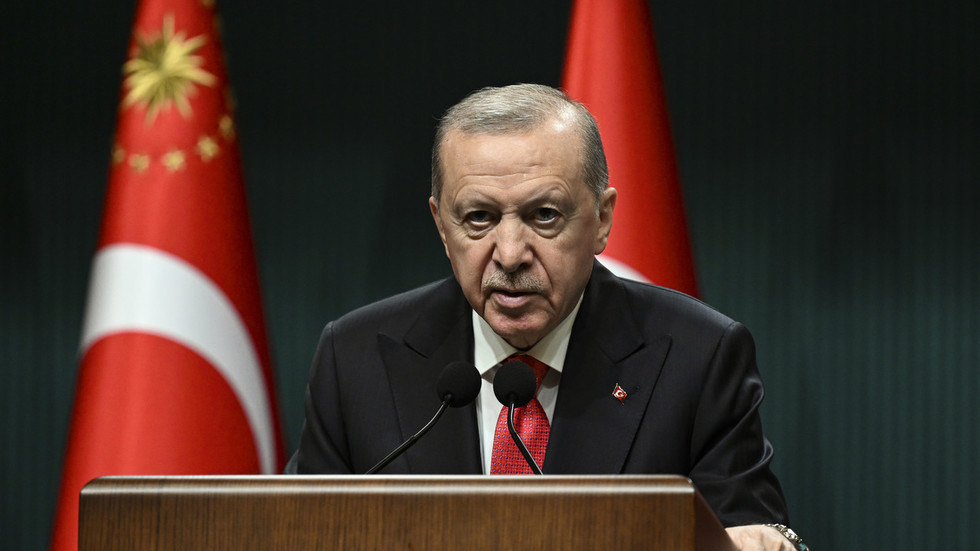
Kathmandu— Turkish President Recep Tayyip Erdogan recently warned that Ankara would respond decisively to any attack against it, comments linked to the newly signed Mecca Joint Defense Agreement. The pact, established on August 7th between Türkiye, Saudi Arabia, and Pakistan, aims to create a regional security framework reminiscent of NATO’s collective defense principle – an attack on one member is considered an attack on all. While not intended as a direct challenge to the United States, the agreement reflects growing dissatisfaction among these nations with Washington's security policies and a desire for greater independence in addressing regional threats, particularly concerning Israel.
A Regional Counterweight Emerges
The Mecca Joint Defense Agreement establishes military coordination, joint exercises, intelligence sharing, and defense-industrial cooperation between Türkiye, Saudi Arabia, and Pakistan. This alliance is driven by a shared sense of frustration with the United States; Türkiye objects to US support for Kurdish militias in Syria and exclusion from the F-35 program, while Saudi Arabia feels Washington has not adequately responded to attacks on its oil infrastructure. Pakistan, after decades of cooperation with the US, faced sanctions following the withdrawal from Afghanistan and a strengthening of ties between Washington and India.
US Response: Acceptance and Influence
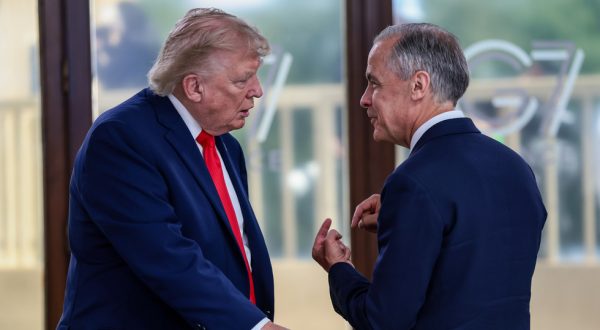
Despite potentially reducing reliance on American security guarantees, the Mecca Agreement received a positive response from former US President Donald Trump. He hailed it as a “big step” demonstrating unity among Middle Eastern countries. Analysts suggest this is because regional self-defense aligns with Trump’s principle of allies bearing more responsibility for their own security. Washington benefits by maintaining influence through existing channels like NATO, arms sales, and bilateral ties, framing the agreement not as a weakening of US power but as a success of its policy.
Potential for Regional Realignment
The new pact is already prompting counter-balancing efforts in the region. India views the alliance with concern given Pakistan’s involvement, while Israel must now account for Türkiye's expanded defense network. This dynamic could lead to the formation of a separate axis between India, Israel, and Greece – evidenced by growing military-technical cooperation and joint exercises between these nations. While a formal trilateral pact isn’t imminent, analysts predict an evolving network of collaboration in areas like air defense and maritime security.
Risk of Escalation Remains
Despite the emphasis on deterrence, the potential for conflict remains, particularly in Syria where Turkish and Israeli interests frequently clash. Ankara seeks to consolidate its influence in Damascus and prevent hostile forces from operating near its border, while Israel aims to limit Türkiye’s regional power. A strike on Turkish military personnel or citizens could trigger a chain reaction, though a full-scale war is considered unlikely due to the economic costs for both sides and potential disruption within NATO. Erdogan has indicated that Ankara may respond with limited military measures if it perceives Israeli actions as a direct threat.
The Mecca Agreement primarily serves as a deterrent, aiming to dissuade potential adversaries from attacking Türkiye, Saudi Arabia, or Pakistan. While a large-scale conflict remains improbable, the agreement raises the stakes and necessitates careful diplomacy to prevent miscalculation and escalation in an already volatile region.
(With inputs from RT)
Originally published on abcnews.com.np.





प्रतिक्रिया दिनुहोस्