

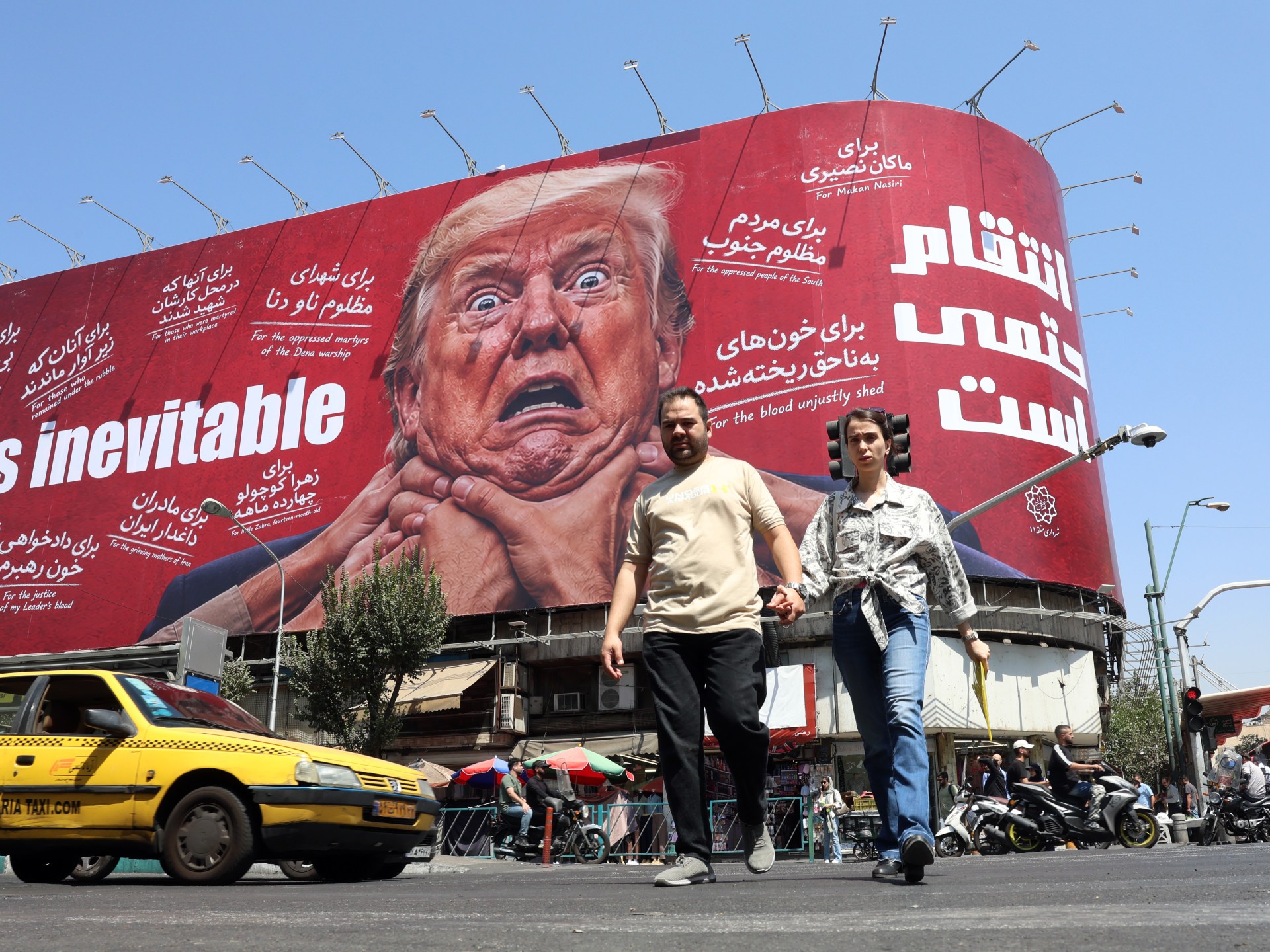
Kathmandu— Former US President Donald Trump has announced plans to impose what he calls the “most crushing economic operation” against Iran, threatening sanctions on any country that continues to trade with Tehran. The move comes as talks between the two nations remain stalled and follows a recent escalation in regional tensions, including accusations of ballistic missile attacks by Iran and a UAE trade embargo. Trump’s announcement aims to isolate Iran economically but faces significant hurdles given existing trade relationships and the potential for circumvention, raising questions about its effectiveness.
Existing Trade Relationships
Iran relies heavily on international trade, particularly oil exports which generated approximately $3.45 billion monthly before the recent conflict. Key trading partners include China, India, Turkiye, Germany, and the United Arab Emirates. While US sanctions have historically impacted Iran’s ability to conduct business globally, countries like China have continued to engage in significant trade, with Beijing believed to purchase over 80 percent of Iran's shipped oil via shadow fleets designed to evade tracking. Other nations, such as Turkiye and Pakistan, have also maintained commercial ties despite US pressure.
UAE Trade Embargo and Regional Dynamics
The United Arab Emirates announced an indefinite trade embargo on Iran this week, citing alleged ballistic missile attacks by Iranian forces. This move is expected to significantly impact Iran’s access to critical imports and financial markets, given its historical reliance on the UAE as a vital trade hub. However, analysts note that much of Emirati trade has already been disrupted due to regional instability and the closure of the Strait of Hormuz, potentially limiting the embargo's immediate effect.
Iran’s Countermeasures and New Partnerships
Despite facing economic pressure, Iran is actively seeking alternative trade routes and partnerships. The country recently finalized an agreement with Tajikistan to export oil, signaling a shift towards strengthening ties with nations outside traditional Western markets. Furthermore, Iran is preparing to join the BRICS New Development Bank, which could provide access to international financing and facilitate increased trade with other emerging economies like Brazil, Russia, India, China, and South Africa. Iranian officials suggest they have developed strategies to circumvent sanctions and mitigate revenue losses.
Enforcement Challenges and International Law
Experts question the feasibility of Trump’s plan to unilaterally coerce other countries into ending trade with Iran. Shantanu Singh, a specialist in international law, points out that a complete embargo requires authorization from the UN Security Council, which is unlikely given current geopolitical dynamics. The US can enforce sanctions on its own financial institutions used for Iranian trade, but extending this control over foreign entities presents significant legal and logistical challenges. Paul Musgrave of Georgetown University notes that Trump’s approach relies on achieving multilateral coordination – a difficult task considering opposition from countries like China and Russia.
The effectiveness of Trump's latest economic threats remains to be seen, as Iran continues to explore alternative trade routes and partnerships while navigating the complexities of international sanctions. The situation is further complicated by regional tensions and the potential for escalation.
(With inputs from Al Jazeera)
Originally published on abcnews.com.np.




प्रतिक्रिया दिनुहोस्