

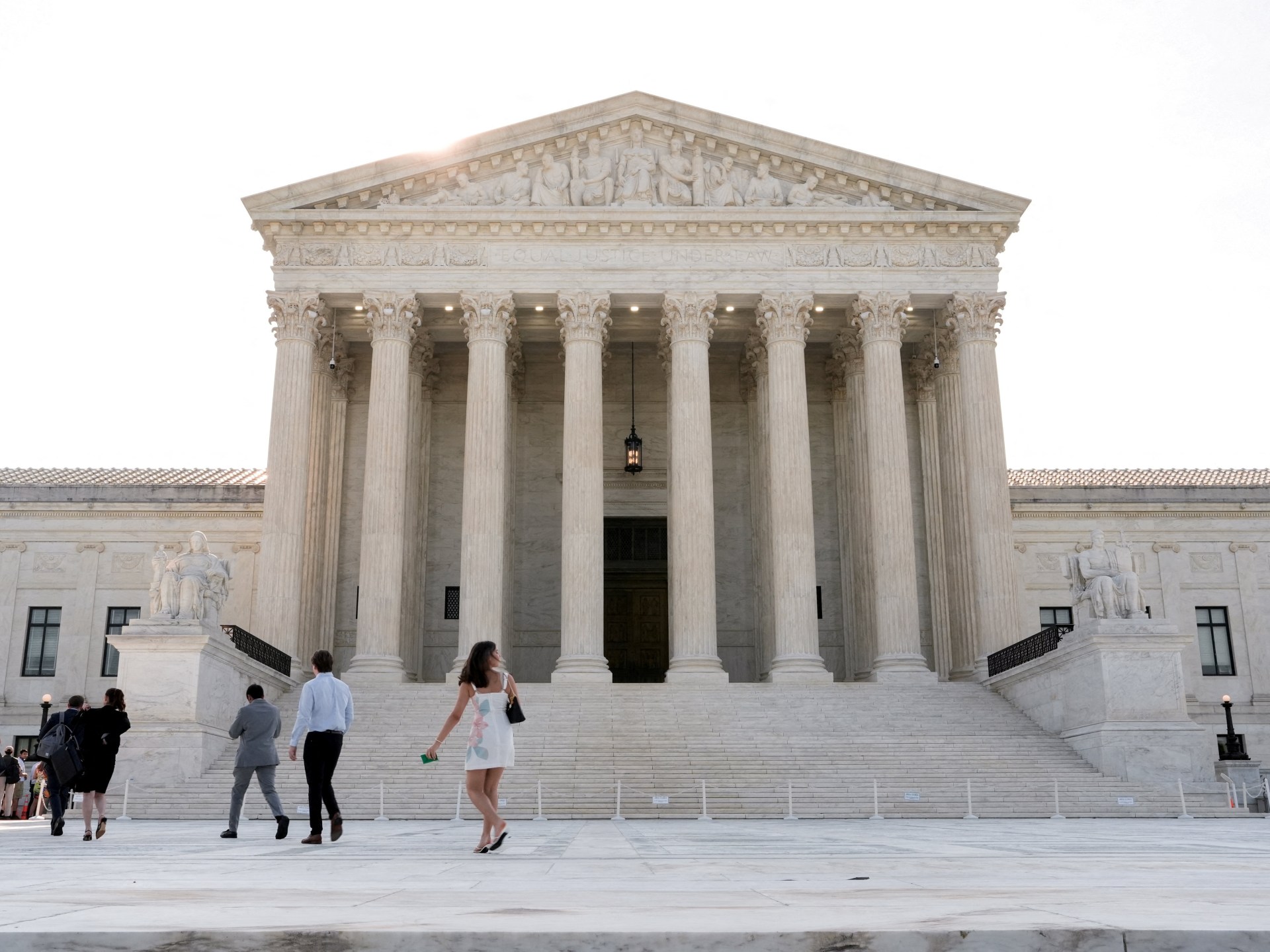
Kathmandu— The United States Supreme Court on Monday ruled in favor of the Trump administration’s appeal regarding restrictions on mail-in voting, allowing the implementation of an executive order despite ongoing legal challenges from Democratic officials and concerns about potential disruption to upcoming elections. The decision comes as states begin sending mail ballots to voters, raising questions about how much change can be enacted before November's midterms. While the court’s conservative majority sided with the administration, the ruling leaves room for further litigation that could still slow or halt aspects of the order. The Justice Department had sought an emergency appeal to allow work on implementing changes prior to the elections.
Order Details and State Opposition
President Trump’s executive order, signed in March, directs his administration to create lists of eligible voters and instructs the US Postal Service to deliver mail ballots only to those listed. This move prompted a lawsuit from Democratic officials representing 23 states and the District of Columbia, who argue that the Constitution grants states and Congress authority over elections. They contend that Trump’s changes could cause chaos and open the door to partisan manipulation.
Lawyers for the opposing states warned that allowing such significant alterations so close to the election would have “extreme” consequences, while dozens of state and local election officials requested the court maintain a freeze on the order as preparations are already underway. A judge in Massachusetts initially blocked the plan for midterm elections within those states, a decision later upheld by an appeals court and extended nationwide.
Procedural Arguments and Conflicting Rulings
The Trump administration appealed to the Supreme Court in late July on procedural grounds, claiming the states initiated legal action prematurely. They also highlighted a separate ruling from Washington state where a judge permitted Trump’s order to proceed, though with provisions for future court challenges should implementation occur. Federal attorneys asserted that the Massachusetts order hindered “the government’s ability to finalize and implement the President’s proposed policies to promote election integrity.”
A dozen Republican-leaning states filed briefs supporting the federal government's appeal, noting that states would have input on the final voter lists.
Past Rulings and Ongoing Concerns
This decision follows a June Supreme Court ruling against Trump-backed arguments regarding mail-in ballots, which allowed states to count ballots received after Election Day. That case was decided following full briefings and oral arguments, unlike this instance which involved the court’s emergency docket. President Trump has repeatedly made unsubstantiated claims of widespread fraud in U.S. elections, including his 2020 loss to Joe Biden.
The president continues to push for passage of the SAVE America Act, a contentious package of voting restrictions, and legislation requiring proof of citizenship to vote – despite evidence that noncitizen voting is rare and illegal.
While the Supreme Court has allowed the Trump administration to move forward with its mail voting restrictions, further legal challenges are still possible. The extent to which these changes will be implemented before November’s midterm elections remains uncertain.
(With inputs from Al Jazeera)
Originally published on abcnews.com.np.




प्रतिक्रिया दिनुहोस्