

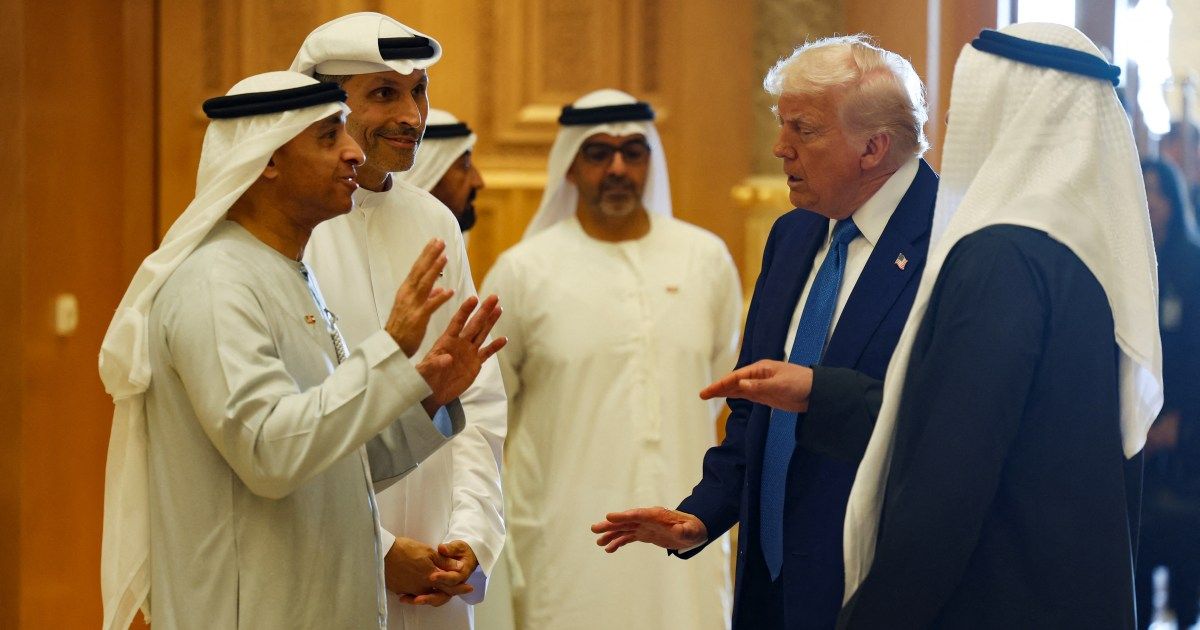
Kathmandu— As the conflict between the United States and Iran enters a new phase six months after initial missile strikes, Washington is implementing stricter economic sanctions in an attempt to compel Tehran into negotiations. US Treasury Secretary Scott Bessent announced “Operation Economic Outcast” on Monday, targeting key Iranian revenue streams and threatening penalties for continued business dealings with the country. While Gulf states have frequently been caught between these two powers, analysts warn that this strategy carries its own risks – potentially provoking Iran to target regional assets and disrupt crucial energy infrastructure.
Economic Warfare Strategy Unveiled
Bessent characterized the new sanctions as “the single greatest financial offensive ever” against Iran, warning businesses and banks they would share in Tehran’s isolation if they do not comply. The measures target five key sectors of the Iranian economy: digital assets, technology, gold, aviation, and shipping. Sixty entities, vessels, and individuals across multiple countries – including the UAE, Hong Kong, China, Singapore, and Switzerland – have already been sanctioned for facilitating Iranian trade. However, some analysts dismiss the announcement as largely symbolic, comparing it to previous “maximum pressure” campaigns that failed to achieve their objectives.
Gulf States Face a Difficult Choice
The US military presence offers Gulf states protection from Iranian missiles and drones, but simultaneously makes them potential targets for retaliation. Consequently, these nations are under increasing pressure to sever economic ties with Iran, a move that could escalate the conflict. The United Arab Emirates has already taken steps to cut economic ties, while Saudi Arabia, Qatar, and Oman appear more hesitant, prioritizing diplomatic channels and seeking a resolution that would reopen the Strait of Hormuz – a critical waterway for global oil shipments.
Strait of Hormuz Remains Key Contention Point
Iran’s Secretary of the Supreme National Security Council Mohsen Rezaei warned last week that if Gulf countries join the US economic war, “not a drop of oil will leave the Persian Gulf and the strait of Hormuz.” This waterway carries approximately one-fifth of the world’s oil and natural gas in peacetime. While Washington believes alternative shipping routes and reduced reliance on Gulf oil mitigate Iran's ability to disrupt trade, Gulf economies remain heavily dependent on these exports, creating a precarious situation.
Differing Approaches Among Regional Powers
While the UAE has decisively moved to cut economic ties with Iran, citing recent attacks, other Gulf nations are adopting more cautious approaches. Qatar and Oman maintain incentives to preserve diplomatic relations with Tehran, while Saudi Arabia – which recently restored diplomatic ties with Iran through Chinese mediation – appears wary of escalating tensions further. Analysts suggest Riyadh is also concerned about the potential instability that could result from a collapse of the Iranian government.
Escalation Risks Remain High
Analysts warn that economic pressure may not yield the desired outcome, and instead provoke escalation from Iran. “The pattern that we have seen so far is that when faced with either surrender or escalation, the Iranians escalate,” said Trita Parsi of the Quincy Institute for Responsible Statecraft. He believes Iran retains “formidable escalatory options” if sanctions significantly harm its economy, potentially impacting neighboring countries like Qatar and disrupting LNG operations.
Gulf states are left to navigate a complex dilemma: balancing their security relationship with the US against the risk of provoking Iranian retaliation and further destabilizing the region. Continued diplomatic efforts remain crucial for de-escalation.
(With inputs from Al Jazeera)
Originally published on abcnews.com.np.




प्रतिक्रिया दिनुहोस्