

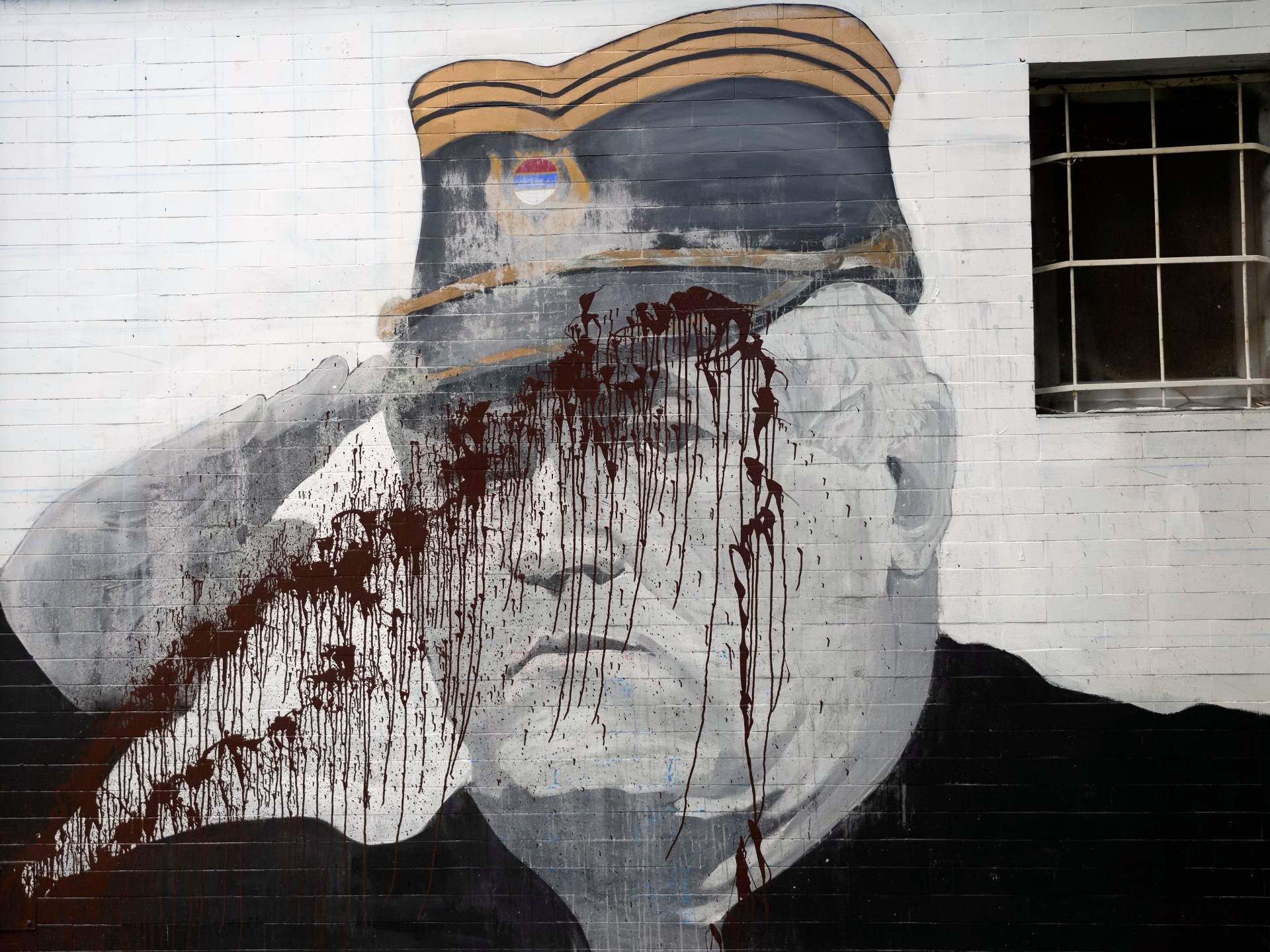
Kathmandu— The recent death of former Bosnian Serb military leader Ratko Mladic, sentenced to life in prison for genocide and war crimes by the International Criminal Tribunal for the former Yugoslavia (ICTY), has prompted debate not about justice served, but about whether the ideologies he championed have ultimately triumphed. Despite his conviction, observers argue that the world is increasingly mirroring the fascist principles Mladic fought for – a normalization of genocide, denial of responsibility, and rising ultranationalism – suggesting he may have died content with the direction the globe is taking.
A Victory For Fascism?
The author contends that Mladic’s death does not signify a victory for justice or peace, but rather a confirmation of his success in propagating fascist ideals. He expresses fear that these ideas, far from being defeated, have spread and adapted over time, becoming increasingly visible in the Balkans and beyond. This assessment stems from observing continued denial of responsibility for past atrocities and the persistence of ideologies rooted in death and negation.
Serbia's Complicated Legacy
In Serbia, the author points to a political landscape where maintaining an ideology of denial is crucial for the survival of the ruling regime. President Aleksandar Vucic, who enjoys acceptance among European Union leaders, allegedly consolidates power by refusing to acknowledge crimes committed during the 1990s conflicts in Croatia, Bosnia, and Kosovo. This denial, according to the author, prevents genuine progress and reconciliation.
Bosnia's Enduring Division
The Dayton Accords, intended to halt violence in Bosnia, are described as having created a divided state struggling with its present and future. The country continues to grapple with the aftermath of over 100,000 deaths, where genocide denial is official policy in Republika Srpska, and perpetrators often remain unpunished. Despite this grim reality, resistance exists within Bosnia, exemplified by organizations like Ostra Nula, Buka, and Kvart, who actively condemn genocide denial and advocate for justice.
Global Echoes of Fascism
The author broadens the scope, arguing that Mladic’s vision extends far beyond the Balkans. They cite examples such as the denial of the Palestinian genocide, disregard for crimes in Sudan and the Democratic Republic of Congo, indifference to migrants and refugees, sanctions causing suffering, increased military spending, border violence, surveillance, and the rise of far-right politicians as evidence of a world aligning with Mladic’s ideals. “Many do not recognise it when they see it,” the author writes, “but the evidence is there.”
A Call to Awareness
The author, a survivor of genocide in Bosnia, implores the world to recognize and confront these dangerous trends. They emphasize that awareness is crucial, particularly given the global tendency to believe fascism was defeated decades ago. The piece concludes with a direct question: “Do you really want to live in Mladic’s dream?” and a plea for the world to heed the warnings of those who have experienced its horrors.
The author urges continued vigilance against fascist ideologies, emphasizing that acknowledging past crimes is essential to preventing their recurrence and building a more just future.
(With inputs from Al Jazeera)
Originally published on abcnews.com.np.






प्रतिक्रिया दिनुहोस्