

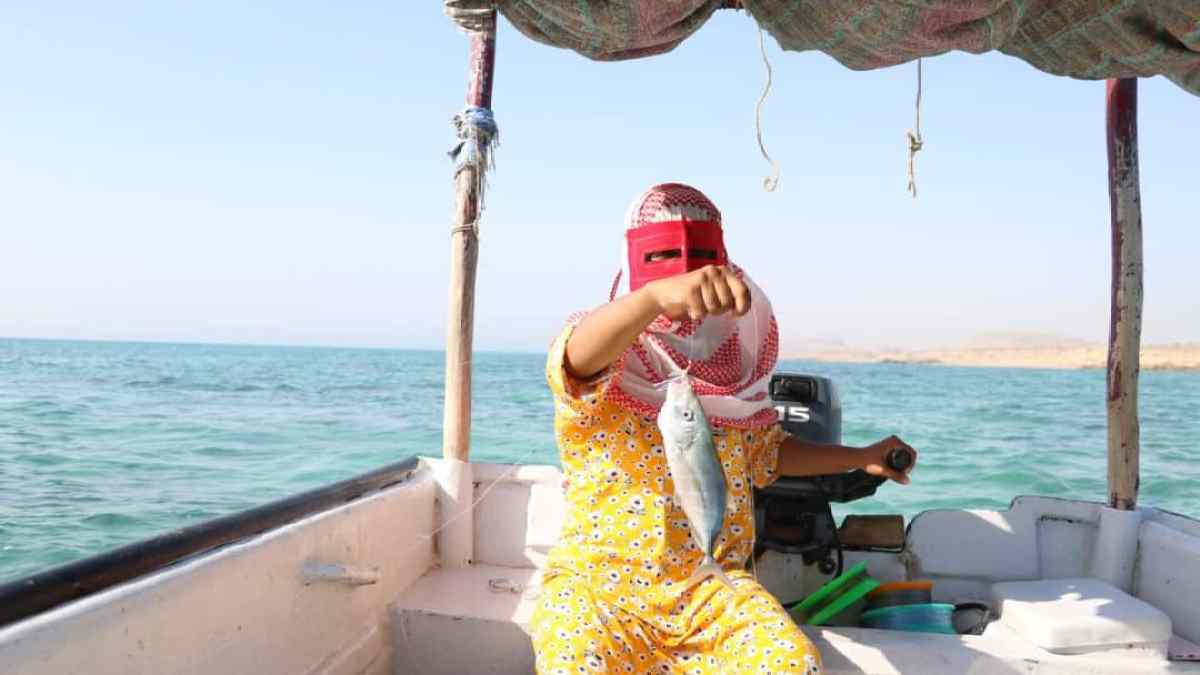
Kathmandu— Khadijeh Bandari, a 28-year-old fisherwoman from Hengam Island in southern Iran, recounts how her life and livelihood have been disrupted by the ongoing US-Israeli military operations against Iran. Her story highlights the impact of the conflict on local communities, particularly fishermen and tourism operators who depend on the sea for their income.
Life Before War
Bandari grew up fishing with her mother and later started her own business, selling fish through social media platforms. She married a man from northern Iran and together they opened a guesthouse and restaurant on Hengam Island. Their life was centered around their son Keyhan and the sea, where Bandari would often take him to fish.
Impact of Internet Shutdown
The internet shutdown in January severely affected Bandari’s business as it relied heavily on online sales. When the internet returned, she hoped life would return to normal, but that hope was short-lived when the war began in February. The bombing disrupted fishing and tourism activities, leading to a significant loss of income for many islanders.
Evacuation and Return
As the conflict intensified, Bandari’s family evacuated Hengam Island due to safety concerns. However, her mother returned to continue fishing despite the risks. The family eventually moved to northern Iran but still dreams of returning home.
Economic Hardship and Loss
The war has caused significant economic hardship for many islanders. Fishermen like Hava Arbabí, Aref Arbabi, Soheil Hormozi, and Abutaleb Zarei have lost their boats and homes to the bombings, leaving them with substantial debts and no means of income.
(With inputs from Al Jazeera)
More from the source


Originally published on abcnews.com.np.




प्रतिक्रिया दिनुहोस्