

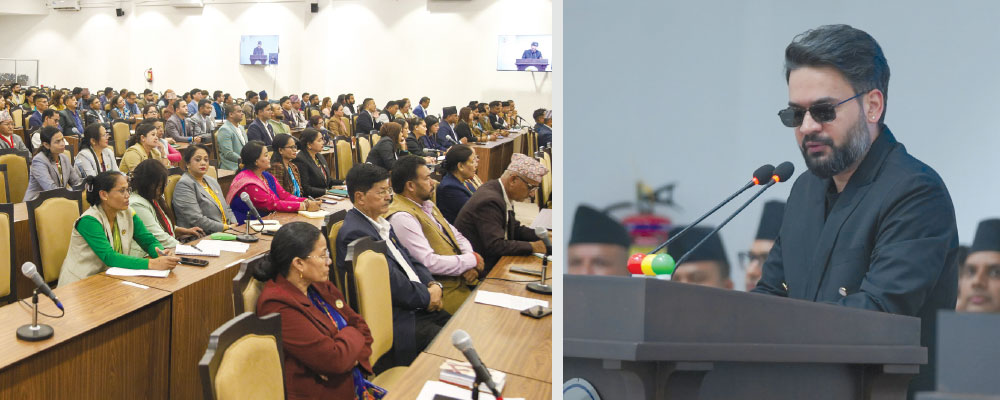
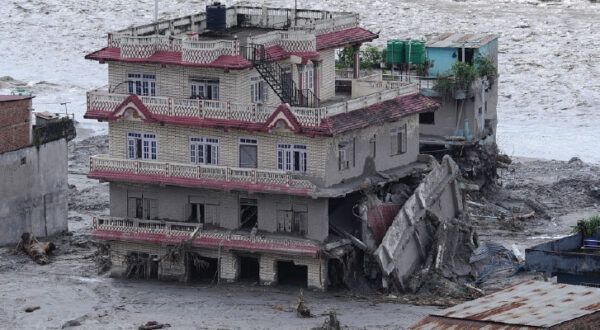
Kathmandu— Prime Minister Balendra Shah addressed the House of Representatives on Wednesday, describing the recent Bhotekoshi River flash flood in Rasuwa as a significant indicator of increasing climate change risks in the Himalayan region. The disaster, triggered by an avalanche of ice and rock, has underscored the urgent need for Nepal to remain vigilant and seek international support to mitigate such climate-related disasters.
Government Response
PM Shah detailed the government's immediate response following the flash flood. The government urged residents along riverbanks to move to safer locations, mobilized an emergency meeting of the National Disaster Risk Reduction and Management Authority, and sent warning messages to affected areas via mobile phones. Nepali Army helicopters were deployed for rescue operations, followed by private helicopters. The Ministry of Health and Food Safety arranged free treatment, food, and accommodation for the injured at major hospitals in Kathmandu.
Relief and Health Services
Health workers have been treating those injured, with medical teams deployed to affected communities and counseling services provided. Provincial and local health officials were trained to implement a Post-Disaster Communicable Disease Surveillance and Response Plan effectively. Currently, 2,653 people are receiving shelter and relief at 19 temporary shelters in Nuwakot. Rs. 7.088 billion has been deposited into the relief fund, with Rs. 1 billion released to the National Disaster Risk Reduction and Management Authority.
Infrastructure Damage
The disaster disrupted communication services but they began to be restored from the second day, reaching 95% restoration by September 1. The flood caused extensive damage to hydropower and solar projects along the Bhotekoshi–Trishuli corridor, disrupting 431.1 MW of electricity generation. Electricity services have been partially restored through alternative transmission arrangements in affected areas. Roadways and bridges were also severely damaged.
Search for Missing and Unidentified Bodies
The search for missing citizens continues, with some security personnel gone missing during the operation to warn residents. PM Shah assured that unidentified bodies have been safely buried according to legal procedures, with DNA samples preserved for future identification. Nepal has welcomed international assistance in rescue operations inside tunnels at affected hydropower projects.
PM Shah thanked all involved in rescue and relief efforts and pledged the government's continued support for the affected communities.
(With inputs from RN)
Originally published on abcnews.com.np.

प्रतिक्रिया दिनुहोस्