

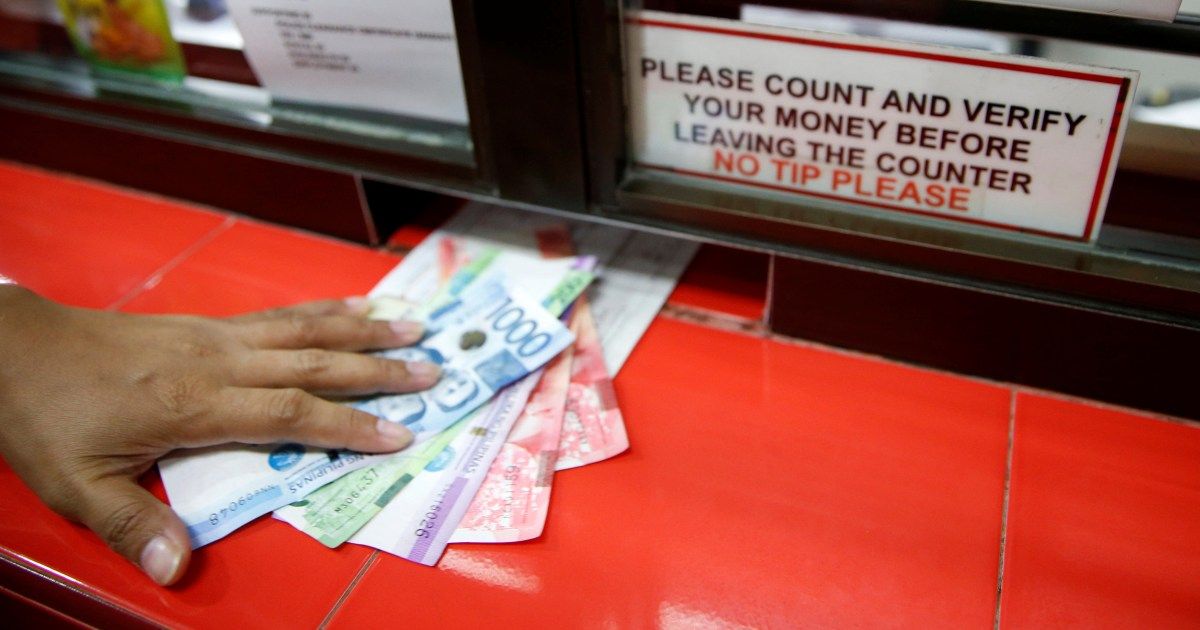
Kathmandu— The Philippine peso has reached a historic low of 62.71 to the US dollar amid a combination of rising oil prices, geopolitical instability in the Middle East, and domestic economic challenges including a large trade deficit and high inflation, according to recent market data.
Currency Decline Timeline
The peso has been steadily declining since January, losing approximately 6 percent of its value against the US dollar over the course of the year.
The currency broke multiple records in recent months, hitting a low of 61.847 on July 24 before falling further to 62.265 on the previous Friday and reaching 62.71 on Friday of the current week.
Market data shows the peso closed at 62.565 on Wednesday before continuing its downward trajectory on Friday.
Global and Domestic Factors
The peso's decline stems from several interconnected factors, including the Philippines' heavy reliance on imported oil from the Gulf region, which became disrupted when Iran shut down the Strait of Hormuz.
This disruption forced Manila to declare a state of national emergency in March, exacerbating the country's vulnerability to oil price fluctuations.
Simultaneously, rising yields on US Treasury Bonds have drawn international investors toward dollar-denominated assets, further weakening the peso as capital flows out of developing economies.
Economic Impact Analysis
While currency depreciation can benefit exporters by making their goods cheaper internationally, it significantly raises costs for consumers of imported goods in the Philippines.
The country's inflation rate has reached 6.1 percent in August, well above the central bank's 3 percent target, creating additional economic strain.
"The main transmission is through imported inputs and energy," said Ashwin Binwani of Alpha Binwani Capital, highlighting how the peso's decline affects essential goods and services.
The Philippine government has pledged to improve fiscal discipline and expects the central bank to intervene as necessary to stabilize the currency, while remittances from overseas workers continue to provide a stabilizing factor for the economy.
(With inputs from Al Jazeera)
Originally published on abcnews.com.np.






प्रतिक्रिया दिनुहोस्