

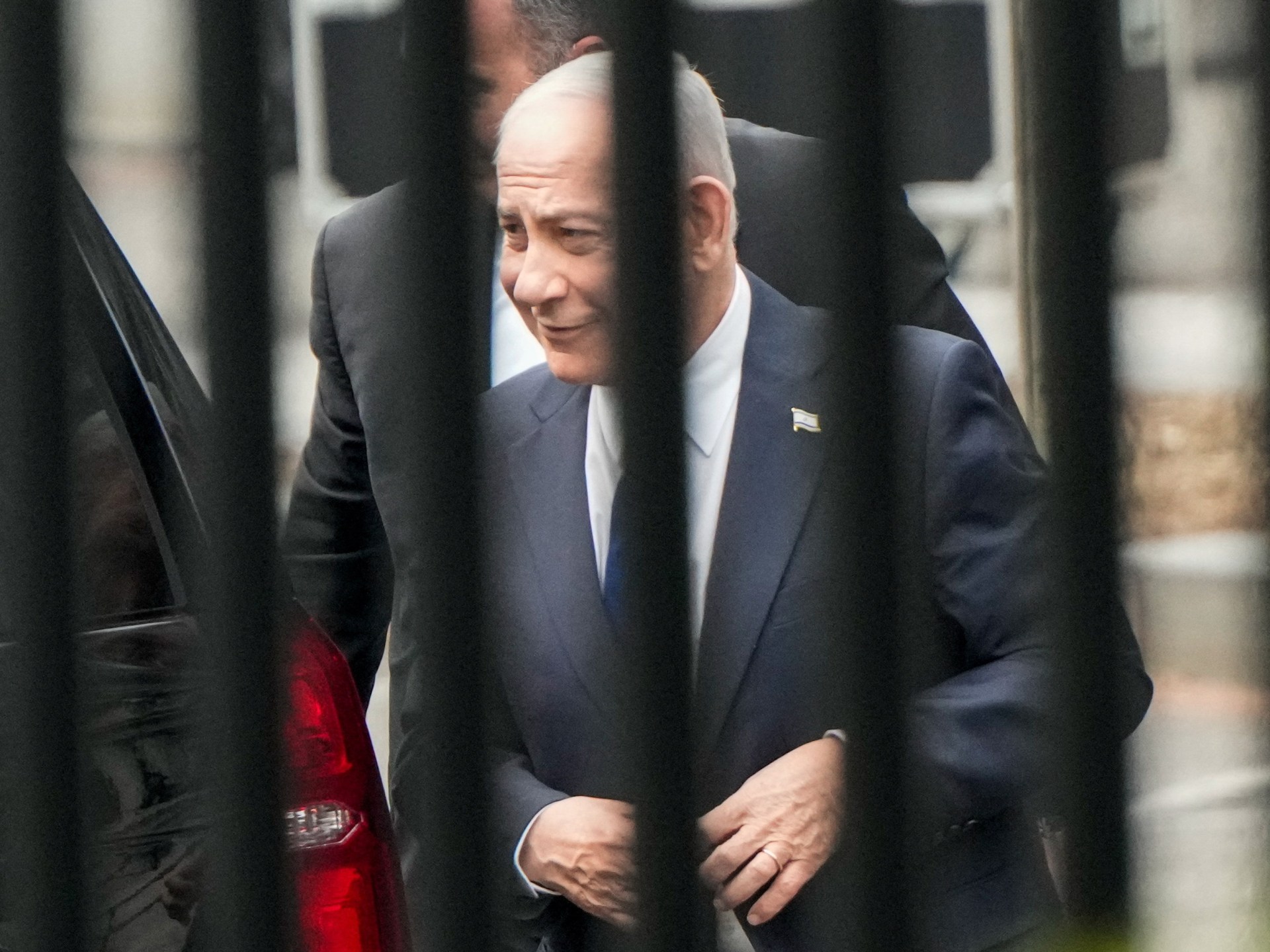
Kathmandu— Israeli Prime Minister Benjamin Netanyahu has hinted that he may take unilateral military action against Iran to prolong the ongoing conflict, even as the United States and Iran appear close to an interim agreement. This move comes amid a crucial election in Israel later this year and rising tensions with the US over the war's direction.
Netanyahu’s Hawkish Stance
Netanyahu has consistently framed Iran as an existential threat, emphasizing his determination to prevent Tehran from obtaining nuclear weapons. Despite describing the United States as “Israel’s greatest ally,” Netanyahu stated he is prepared to do whatever is necessary to ensure Israel's security. This hawkish stance includes a willingness to act alone if needed.
Economic and Strategic Impacts
The ongoing conflict has had significant global economic impacts, with Iran’s blockade of the Strait of Hormuz causing oil prices to rise and disrupting supply chains for various commodities. Analysts like Ahron Bregman argue that the war against Iran is a strategic failure, as none of its original goals have been achieved.
US-Israel Relations Under Strain
Relations between Israel and the US are under strain due to Netanyahu’s unilateral actions and Trump's criticism. Trump has accused Netanyahu of unnecessarily announcing intelligence about Iran’s nuclear activities publicly, suggesting that he wants to keep the US involved in the conflict. This tension reflects a broader shift in the relationship, with Trump pursuing negotiations without significant Israeli input.
Election Pressure and Strategic Uncertainty
Netanyahu's push for unilateral action is seen by some as election rhetoric aimed at securing votes amid his corruption trial. Experts like Aaron David Miller argue that launching such an attack now, when US-Iran negotiations are close to a conclusion, would be inconceivable. The future of US military and diplomatic support for Israel remains uncertain.
(With inputs from Al Jazeera)
Originally published on abcnews.com.np.






प्रतिक्रिया दिनुहोस्