

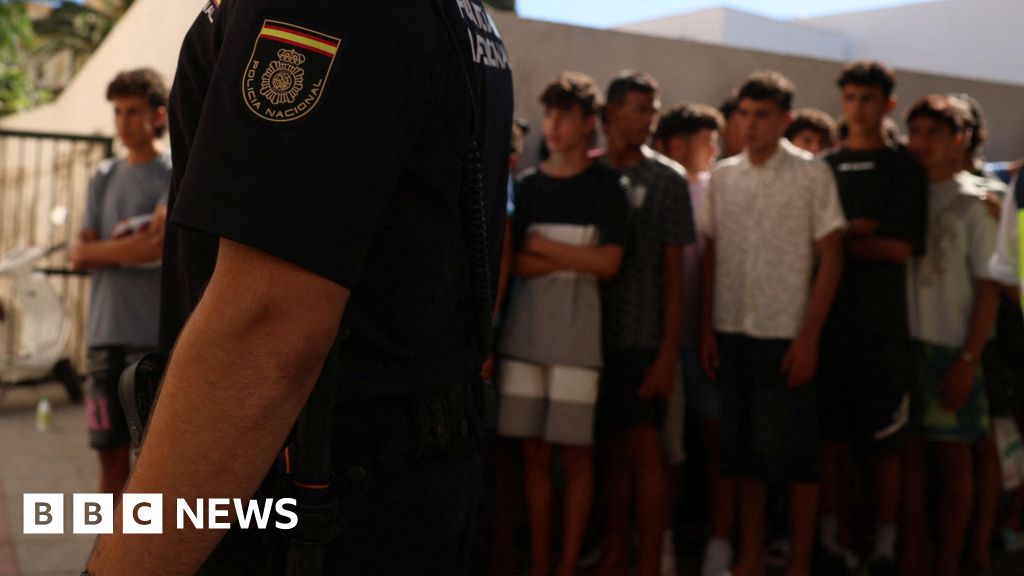
Kathmandu— Juan Jesús Vivas, the leader of Spain's North African exclave Ceuta, has stated that between 3,000 to 5,000 migrants remain in the territory following a mass crossing last week. The crisis saw roughly 78,000 migrants arrive from Morocco by sea within hours, leading to about 100 deaths and significant humanitarian challenges. Vivas addressed the European Parliament on Thursday, criticizing Spain's national government for its late and insufficient response.
Humanitarian Emergency
The situation in Ceuta remains a humanitarian emergency with disturbances to public order. Neighbors are taking in migrant children, but volunteers say the situation is unsustainable. The Spanish interior minister has allocated €25 million to assist minors, though volunteer groups have registered 4,860 migrant children – double official estimates.
Political Tensions
The crisis has sparked tensions among EU nations sharing open borders and criticism of the Spanish government. Vivas criticized Spain's national government for its late response while addressing the European Parliament on Thursday, saying he had personally told Prime Minister Pedro Sánchez that it was insufficient. The crossings have also caused a diplomatic rift within the Schengen area, with Italy suspending its arrangement with Spain.
Diplomatic Contention
The mass crossing has raised questions about Morocco's role and responsibility in managing the border. Vivas characterized the incident as an “unequivocal attack,” while Morocco blamed Spain’s Supreme Court decision for allowing migrants to reach Ceuta without being summarily returned. The EU Commission commended Spain's swift response, which included deploying armed forces to Ceuta and Melilla.
The Spanish government is working with Morocco to prevent further crossings, while the EU has indicated it is ready to do more in Ceuta if requested by Spain.
(With inputs from BBC News)
Originally published on abcnews.com.np.





प्रतिक्रिया दिनुहोस्