

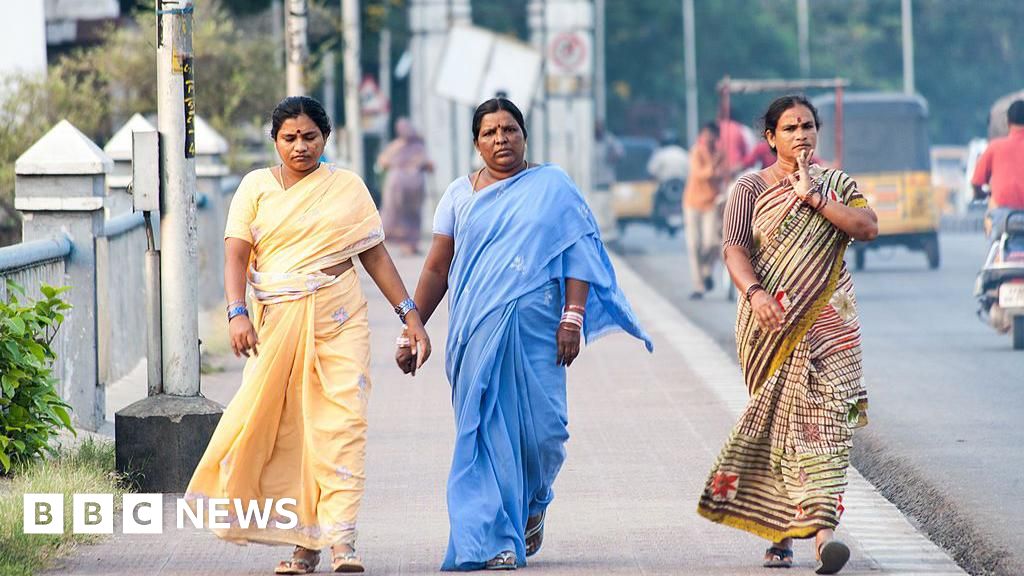
Kathmandu— In June, India’s Supreme Court declared that the right to walk safely on designated footpaths is a fundamental right, addressing decades of neglect in urban planning. Despite being a nation of walkers, with around 45 million people walking to work daily, Indian cities have consistently prioritized vehicular traffic over pedestrian safety and convenience.
Urban Neglect
Walking is the most democratic form of transport in India, yet it has been largely neglected by urban planners. Cities like Kolkata, Delhi, and Gurugram have seen footpaths disappear under hawkers, rubble, garbage, or be blocked by parked vehicles and construction. The 2019 survey found that 63% of all journeys are made on foot, making pedestrians the single largest group of road users. However, these same pedestrians face significant risks due to poor infrastructure.
Safety Concerns
The evidence is harrowing: pavements are often broken, narrow, or inaccessible to older people and those with disabilities. Faded zebra crossings are rarely respected, and flyovers force pedestrians into hazardous detours. A 2011 study by the Clean Air Initiative for Asian Cities (CAI-Asia) gave surveyed cities a median walkability score of just 47 out of 100. Pedestrians account for roughly one-fifth of road deaths officially, but independent studies estimate this share to be closer to 30-40%. In Delhi and Mumbai, pedestrians make up more than half of all road fatalities.
Judicial Response
The Supreme Court's ruling came in response to a tragedy where a five-year-old boy was crushed by a truck while walking to school with his father. Justice PS Narasimha wrote that walking is 'the simplest of the simple human activity, inextricably connected to life.' The judgment imposes a duty on the state to provide safe footpaths and asserts that pedestrians' rights override those of motorized vehicles.
Challenges Ahead
The deeper problem is one of priorities. Urban transport governance remains centered on moving vehicles, with reducing congestion and maximizing road space for motor traffic taking precedence over pedestrian needs. Civic agencies often resist widening footpaths due to public pressure to keep carriageway space intact. In Gurugram, high-speed arterial roads cut through busy neighborhoods with few safe crossings, forcing pedestrians to dodge speeding traffic.
The Supreme Court's ruling marks a significant step towards pedestrian-friendly cities, but transforming urban planning will require rethinking how streets are designed and prioritized.
(With inputs from BBC News)
Originally published on abcnews.com.np.





प्रतिक्रिया दिनुहोस्