

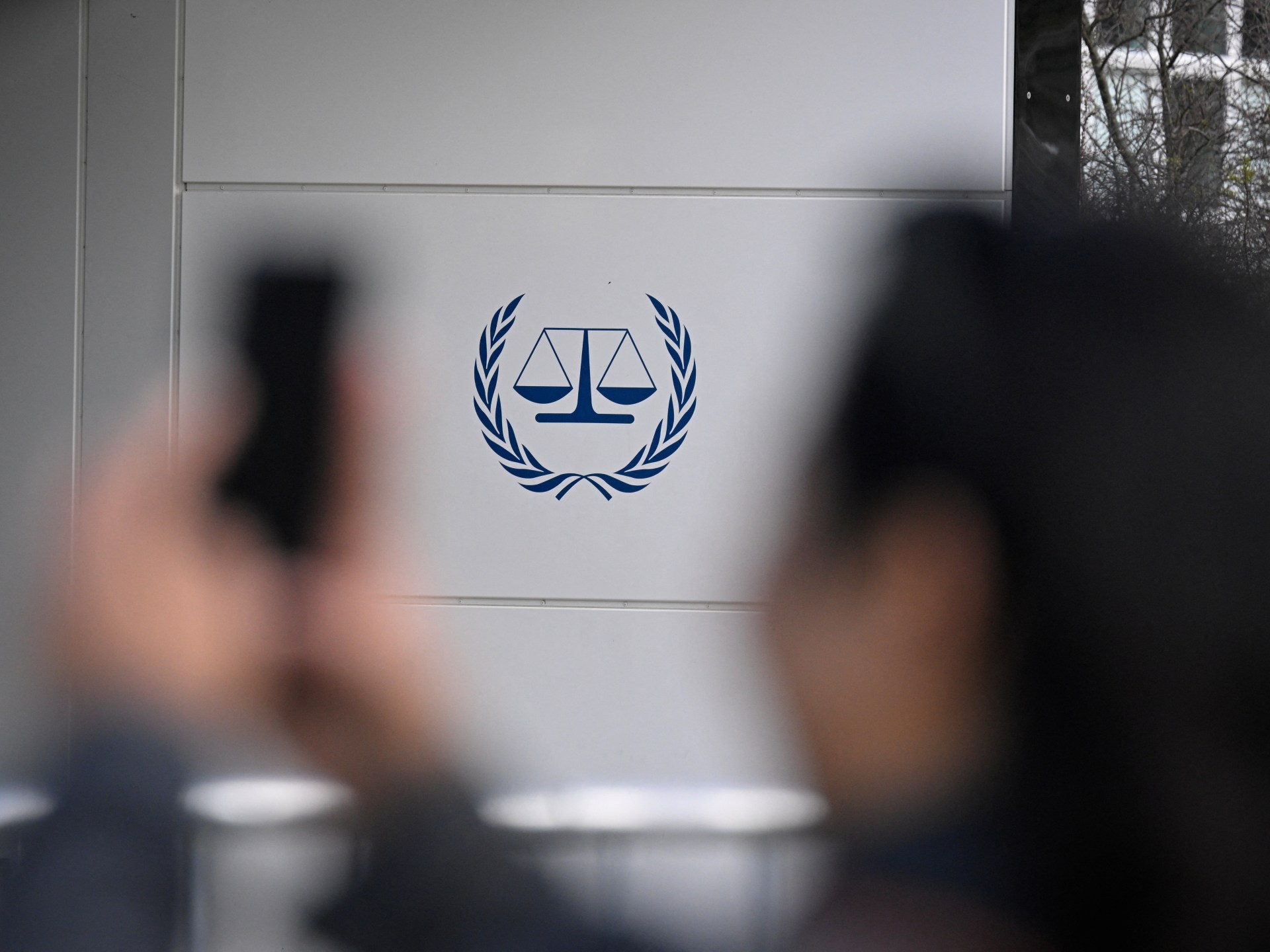
Kathmandu— The Assembly of States Parties, the oversight body for the International Criminal Court, has called on Chad and Venezuela to abandon their decisions to withdraw from the institution, warning that such departures threaten the global fight against impunity. In a statement issued Friday from The Hague, the body expressed concern over the moves and urged the nations to address grievances through dialogue within the assembly rather than exiting the tribunal entirely.
Concerns Over Geographic Bias
Chad announced its intention to withdraw on July 27, citing concerns that the court's record is uneven and skewed against Africa. The government noted that of the seven suspects currently in ICC custody, six are tied to African cases.
Venezuela announced a similar decision three days earlier. Minister of Foreign Affairs Felix Plasencia told the United Nations that the decision, ordered by Interim President Delcy Rodriguez, was "firm and irrevocable." Plasencia accused the court of maintaining a geographic bias against both Africa and Latin America.
Rising Pressure and Political Tension
The latest moves come as the court faces its most significant wave of departures since its founding in 2002. Chad and Venezuela join Burkina Faso, Mali, and Niger, which all announced plans to quit the court last year.
This trend coincides with an intensified campaign by the United States administration of President Donald Trump to curb the tribunal's power. The White House and State Department have pledged a "whole-of-government" effort to "systematically disable" the ICC, citing the court's arrest warrant for Israeli Prime Minister Benjamin Netanyahu regarding war crimes in Gaza and investigations into the actions of foreign forces in Afghanistan.
Legal Obligations and Institutional Resilience
Under the founding Rome Statute, a formal withdrawal takes one year to register and does not erase obligations held while a state remains a member. Consequently, the ICC's long-running investigation into Venezuela is expected to continue regardless of the nation's exit.
The institution's stability is facing additional internal pressure following the dismissal of chief prosecutor Karim Khan over sexual misconduct allegations. Analysts suggest the court's future may depend on whether remaining members stay engaged or allow the institution to weaken through neglect.
The court's future remains uncertain as it navigates a period of significant departures and external political pressure.
(With inputs from Al Jazeera)
Originally published on abcnews.com.np.




प्रतिक्रिया दिनुहोस्