

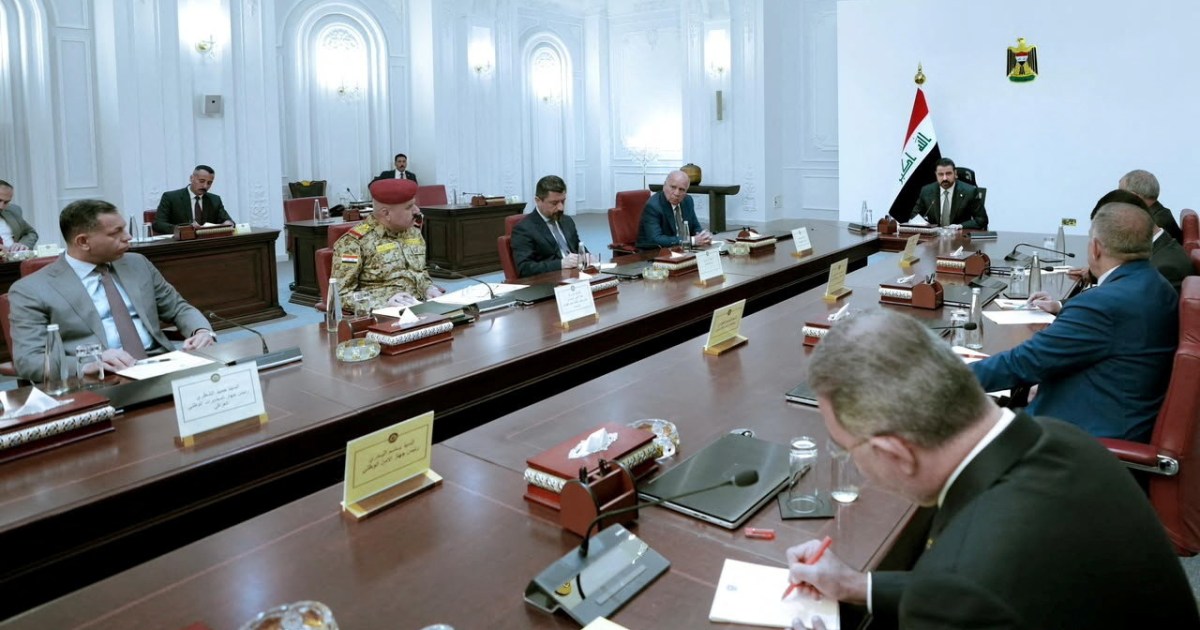
Kathmandu— Iraqi Prime Minister Ali al-Zaidi and Saudi Arabian Intelligence chief Khalid bin Ali Al Humaidan met in Baghdad on Friday to discuss security coordination and attempt to repair diplomatic relations following recent deadly cross-border strikes. The meeting included a renewed invitation from Al Humaidan for al-Zaidi to visit Riyadh, a trip the prime minister had previously canceled in protest of a joint Saudi-US operation on July 29 that killed 20 fighters, including five Iranians.
Security Coordination Amid Regional Tension
The discussions between al-Zaidi and Al Humaidan focused on enhancing security coordination between Baghdad and Riyadh as regional tensions continue to simmer. During the meeting, al-Zaidi pledged that Iraqi soil would not be used as a launchpad for attacks against other nations and emphasized Baghdad's determination to protect its national sovereignty.
This diplomatic push comes after a period of heightened friction. Saudi Arabia previously justified the July 29 strikes as retaliation for drone attacks on its oil infrastructure, which it attributed to pro-Iranian Iraqi armed groups. However, Iraq’s National Security Council rejected those claims, labeling the operation a breach of national sovereignty.
De-escalation and Armed Group Dynamics
The diplomatic meeting coincided with a significant shift in the posture of the Islamic Resistance in Iraq, an Iran-aligned network of armed groups that had previously promised retaliation for the Saudi-US strikes. The group announced on Friday that it would postpone any retaliatory strikes, a move it credited to lobbying from influential pro-Iran figure Hadi al-Amiri and other political actors.
Al-Zaidi, who assumed office earlier this year with support from Washington, is currently attempting to bring various armed groups under state control. He has set a September 30 deadline for these groups to disarm, though his initiative has faced opposition from several powerful factions within the country.
Iraq continues to navigate a complex geopolitical landscape, attempting to balance its relationships with both the United States and Iran amidst ongoing proxy tensions.
(With inputs from Al Jazeera)
Originally published on abcnews.com.np.




प्रतिक्रिया दिनुहोस्