

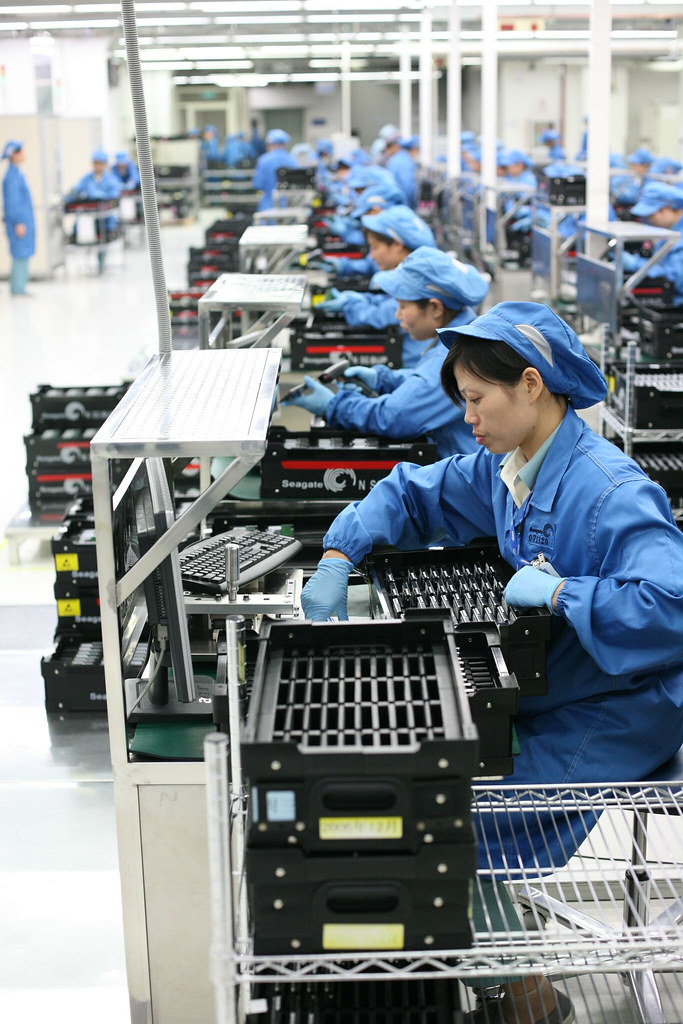
Kathmandu— China is facing renewed accusations of industrial overcapacity from Western nations as it scales up production in high-tech sectors like electric vehicles and renewable energy. These claims, which often serve as justification for new tariffs and investment restrictions, have sparked a debate over whether the issue is one of production volume or a broader concern regarding global industrial competitiveness and shifting supply chains.
The Drivers of Industrial Competitiveness
China’s manufacturing strength is rooted in decades of investment in research and development, a vast domestic market, and a comprehensive industrial ecosystem. While some critics argue that government subsidies drive this growth, proponents suggest these industries are the result of long-term technological accumulation and sustained innovation rather than short-term policy support.
He Shaojun, an official with the Ministry of Commerce, noted that China’s trade surplus is an objective result of changes in global specialization and trade patterns, reflecting the efficiency of its complete industrial system.
Global Supply Chain Stability
The country’s manufacturing capacity has become a key pillar of global industrial and supply chains, helping to stabilize global supply and offset shortages caused by geopolitical tensions and protectionism. China’s role in the green transition is particularly significant, supplying more than 80 percent of the world’s photovoltaic modules and 70 percent of its wind-power equipment.
Beyond manufacturing, China’s rising domestic demand—driven by digital infrastructure investment, a green transition, and consumption upgrading—is generating sustainable demand for products and services from around the world.
Impact on Developing Economies
For many developing nations, China’s supply of cost-effective products provides greater access to technology and industrial know-how. Between 2012 and 2024, China exported more than $30 billion worth of textile machinery to developing countries, helping economies in Southeast and South Asia expand their manufacturing capacity.
Through initiatives like the Belt and Road Initiative and technology-sharing platforms such as the Luban Workshop, China aims to help developing countries build sustainable industries by lowering barriers to industrialization and expanding participation in global value chains.
China has expressed a willingness to work within the WTO framework to strengthen dialogue on industrial policies and advance multilateral trade rules in line with evolving economic realities.
(With inputs from Xinhua)
Originally published on abcnews.com.np.



प्रतिक्रिया दिनुहोस्