

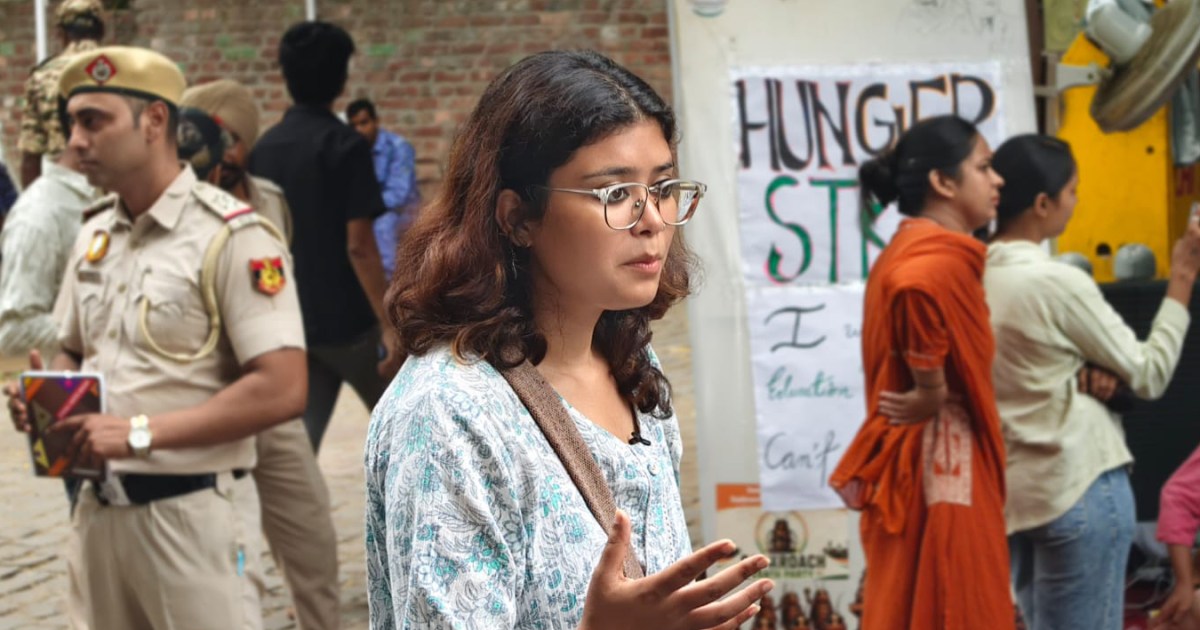
Kathmandu— Across India, a generational divide is emerging as members of Gen Z confront their parents’ staunch support for Prime Minister Narendra Modi and the ruling Bharatiya Janata Party (BJP). Fueled by recent protests sparked by leaked medical entrance exam papers and concerns over social justice, these young Indians are demanding systemic change, even if it means challenging deeply held family beliefs. This unprecedented challenge to Modi’s 12-year rule has exposed cracks within the BJP’s base and ignited difficult conversations in homes across the country.
Protests Expose Government Vulnerabilities
The recent protests, led by Gen Z activists, forced the resignation of Education Minister Dharmendra Pradhan and prompted a government overhaul of entrance exams. These demonstrations, initially focused on education reform after widespread anger over leaked exam papers and subsequent suicides among aspirants, quickly broadened to encompass broader concerns about corruption and social inequality. The satirical online group Cockroach Janata Party (CJP) organized 36 days of protests in New Delhi, attracting tens of thousands of participants and exposing vulnerabilities within the BJP-led government’s previously unshakeable image.
Family Divisions Deepen
For many young protesters, joining the movement meant a direct confrontation with their families’ political beliefs. Kunal Choudhary, a 19-year-old law student and former RSS member, explained that he felt compelled to participate despite knowing it would likely sever ties with his parents, both BJP and Rashtriya Swayamsevak Sangh (RSS) supporters. “I couldn’t make peace with sitting back and watching the world around us fall apart,” he said. Similarly, Priya Singh faced threats of physical violence from her father when she joined the protests, while Anjali, a student activist, has largely avoided conversations with her RSS-affiliated parents to prevent conflict.
Ideological Clash at the Core
The core of the disagreement lies in differing ideologies. Many young protesters reject what they see as the BJP and RSS’s divisive politics, particularly their focus on Hindu nationalism and alleged discrimination against marginalized groups like Muslims and Dalits. Choudhary accused the RSS of “teaching you how to hate Muslims and Dalits,” while others highlighted the protests’ inclusive nature—where people from all backgrounds came together—as something their parents struggled to comprehend. This clash extends beyond politics, encompassing differing views on social justice, equality, and the role of government.
Generational Shift in Values
Sociologists suggest that this generational divide is fueled by several factors, including the absence of mediating grandparents in modern nuclear families and the echo chambers created by social media. Prafulla Ketkar, editor of the RSS mouthpiece *Organiser*, noted a breakdown in “intergenerational communication channels.” However, Anubhav Sengupta, an associate professor of sociology, argues that this moment represents a potential for ideological conversation from within, with value-based student movements challenging older generations’ more pragmatic approaches. He observed a unique dynamic where traditional slogans like ‘Jai Shri Ram’ coexist with revolutionary calls like ‘Inqilab zindabad’ within the protest movement itself.
Despite the challenges and familial strain, these young protesters remain committed to their cause, seeking systemic change and a more inclusive India. While the long-term impact on Indian politics remains to be seen, this generational clash signals a significant shift in values and priorities among the country’s youth.
(With inputs from Al Jazeera)
Originally published on abcnews.com.np.


प्रतिक्रिया दिनुहोस्