

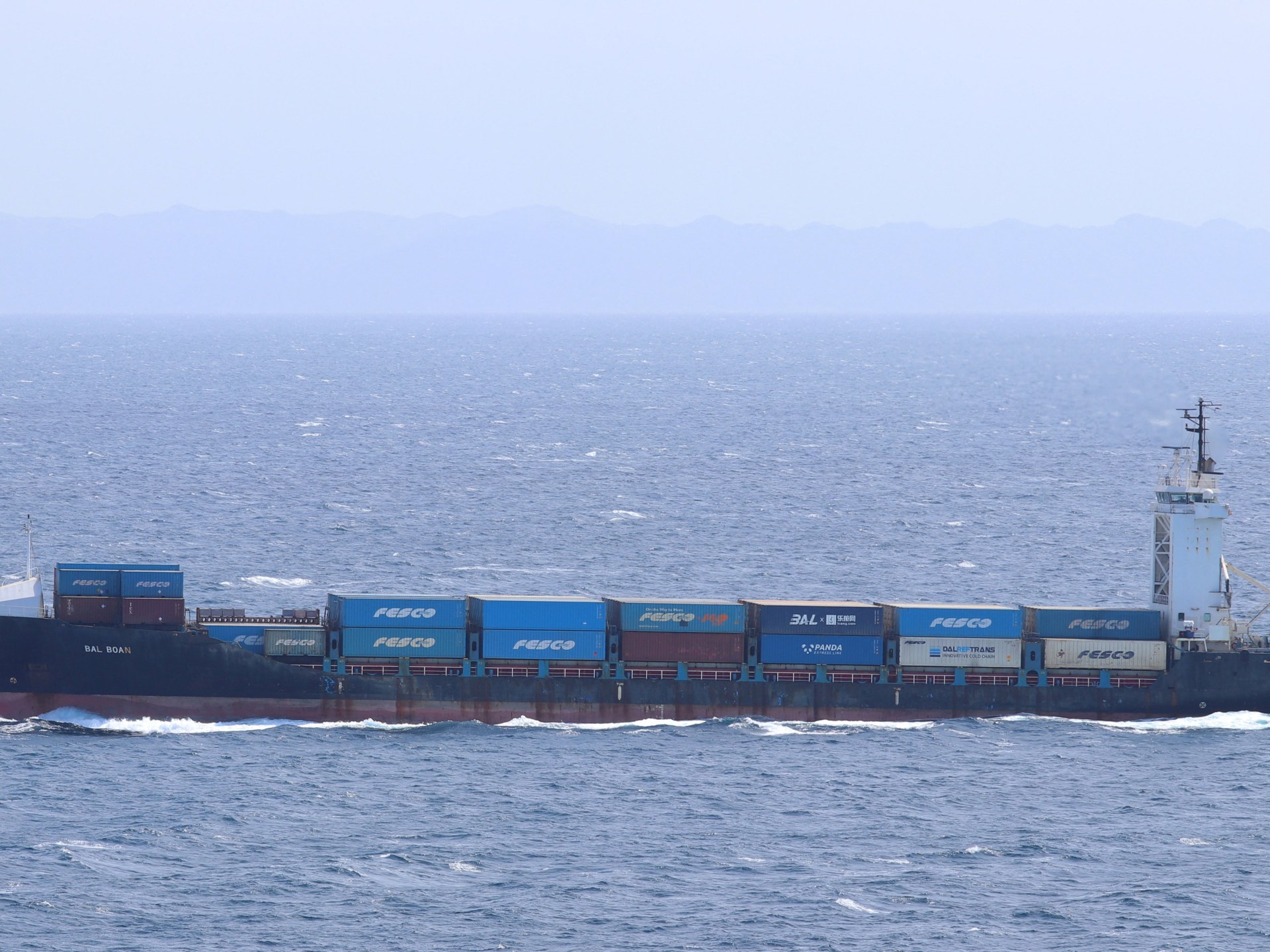
Kathmandu— The United States military fired upon the Panama-flagged Vela Nova cargo vessel on Tuesday while attempting to enforce a naval blockade of Iranian ports in the Gulf of Oman. The incident occurred amidst stalled diplomatic efforts between the US and Iran following the collapse of a memorandum of understanding (MoU) signed in June, which had briefly de-escalated tensions. According to U.S. Central Command (CENTCOM), a Navy helicopter launched two Hellfire missiles at the vessel’s engine room after it allegedly ignored repeated warnings and attempted to reach an Iranian port. The attack disabled the ship's steering gear as part of a broader effort by US forces to control maritime traffic in the region.
Escalation Following Brief Calm
The incident marks a return to heightened tensions after a period of relative calm following a 13-day escalation in July. That earlier surge in conflict had been tempered by the June MoU, which aimed to establish a framework for renewed negotiations and address crippling sanctions on Iran’s nuclear program. However, the agreement appears to have faltered, leading to the reimposition of the US naval blockade and renewed Iranian assertions of control over the Strait of Hormuz.
Details of the Incident
CENTCOM stated that the Vela Nova “attempted to transit the Gulf of Oman and violate the U.S. blockade against Iran by sailing toward an Iranian port.” The military claims its forces issued multiple warnings before targeting the ship’s engine room with Hellfire missiles, ultimately disabling its steering gear. CENTCOM has reported disabling 55 commercial vessels as part of the ongoing blockade, along with three “non-compliant vessels” and conducting boardings on two others. It did not provide information regarding potential injuries to the vessel's crew.
Sticking Points in Negotiations
Efforts to revive negotiations have stalled, complicated by conflicting demands from both sides. Former President Trump recently called for Iran to pay reparations for “50 years” of alleged damage, while Tehran has insisted on reconstruction funding as a condition for any agreement. The initial June MoU included a preliminary plan for a $300 billion fund intended to support rebuilding efforts. Meanwhile, attacks by Yemen-based Houthis on ships in the Bab al-Mandeb Strait have added another layer of complexity to the situation.
Iran and Oman Seek Alternative Shipping Routes
Iran has been focusing its diplomatic efforts on direct talks with Oman to establish new shipping lines through the Strait of Hormuz, a critical waterway for global fossil fuel trade. Mohsen Rezaei, secretary of Iran’s Supreme National Security Council, stated that the strait “will not be opened until the United States changes its behaviour and accepts Iran’s conditions,” adding that any agreement with Oman would be separate from the issue of the strait's closure. Pakistan’s Interior Minister Mohsin Naqvi also arrived in Tehran on Tuesday to participate in ongoing mediation efforts.
As of Wednesday, diplomatic efforts remain stalled, and the US continues to enforce its naval blockade of Iranian ports, raising concerns about further escalation in the region.
(With inputs from Al Jazeera)
Originally published on abcnews.com.np.




प्रतिक्रिया दिनुहोस्