

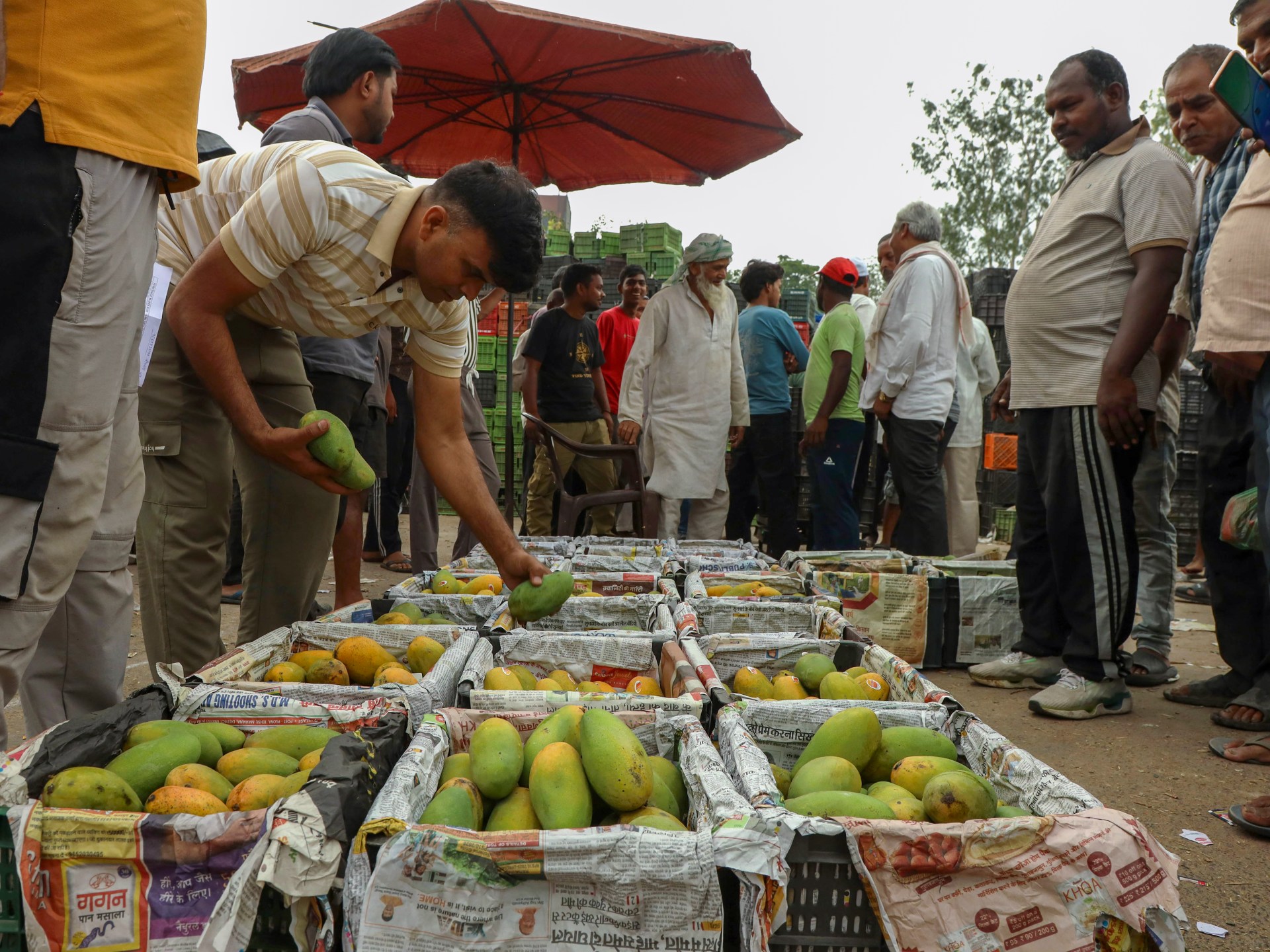
Kathmandu— A series of recent import suspensions – mangoes blocked in Japan, rice rejected by China, and spices flagged in Europe – are raising questions about the quality control and export infrastructure supporting India’s agricultural sector. These setbacks impact farmers across the country who have been striving to meet increasingly stringent international standards for food safety and traceability, despite India being the world's second-largest agricultural producer. The issues stem from concerns ranging from pesticide residues and GMO traces to inadequate sterilization processes and a fragmented supply chain, prompting calls for systemic improvements in testing, certification, and logistical support.
Japanese Mango Imports Suspended
In March, Japanese quarantine inspectors suspended imports of six varieties of Indian mangoes – Alphonso, Kesar, Langra, Banganapalli, Chausa and Mallika – after raising concerns about the vapour heat treatment (VHT) process used to sterilize the fruit. This marked the first major disruption in India-Japan mango trade since 1986, when imports were initially barred over fruit fly concerns. While Japan imported roughly $1.54 million worth of fresh and processed mango products from India between 2025 and 2026, the market’s significance lies in its premium pricing and signaling of quality to other global markets.
China Rejects Indian Rice Shipments
On April 17th, China revoked the import licenses of three Indian rice exporters after detecting traces of genetically modified organisms (GMO) in their shipments. The exporters disputed these findings, asserting that their products were GMO-free certified and that India’s domestic paddy fields are not genetically modified. Rice constitutes over 20 percent of India's agricultural exports, with $12.5 billion shipped in the last financial year, making this suspension a significant blow to the industry.
Broader Quality Control Issues Emerge
The issues extend beyond mangoes and rice. Hong Kong suspended several Indian spice products due to pesticide residues, while European Union inspectors increased inspection frequency on Indian cumin after numerous alerts regarding quality deviations. These incidents point to a fragmented supply chain where traceability of pesticides is lost after the initial sale from farmers to aggregators and traders. Ananya Bose, a food safety scientist, advocates for mandatory digital records of pesticide use to ensure transparency and meet international standards.
Systemic Challenges in India’s Export Infrastructure
Experts point to several systemic challenges hindering India's ability to consistently meet global quality standards. These include limited cold storage facilities, high logistical costs (consuming roughly 15 percent of export value), a lack of standardized practices among small farmers who comprise the majority of cultivators, and insufficient investment in advanced testing capabilities. While there has been some progress – recognized laboratories have increased from 22 to 89 over the past decade – the scale of the challenge remains substantial. Ujjwal Kumar Ghosh, a senior official in India’s Department of Commerce, stated that funds are being allocated to upgrade laboratories and strengthen inspection processes.
The Indian government has pledged to tighten controls on residues and expand laboratory capacity, but growers face immediate economic consequences as they navigate these challenges and strive to meet the increasingly rigorous demands of international markets.
(With inputs from Al Jazeera)
Originally published on abcnews.com.np.






प्रतिक्रिया दिनुहोस्