

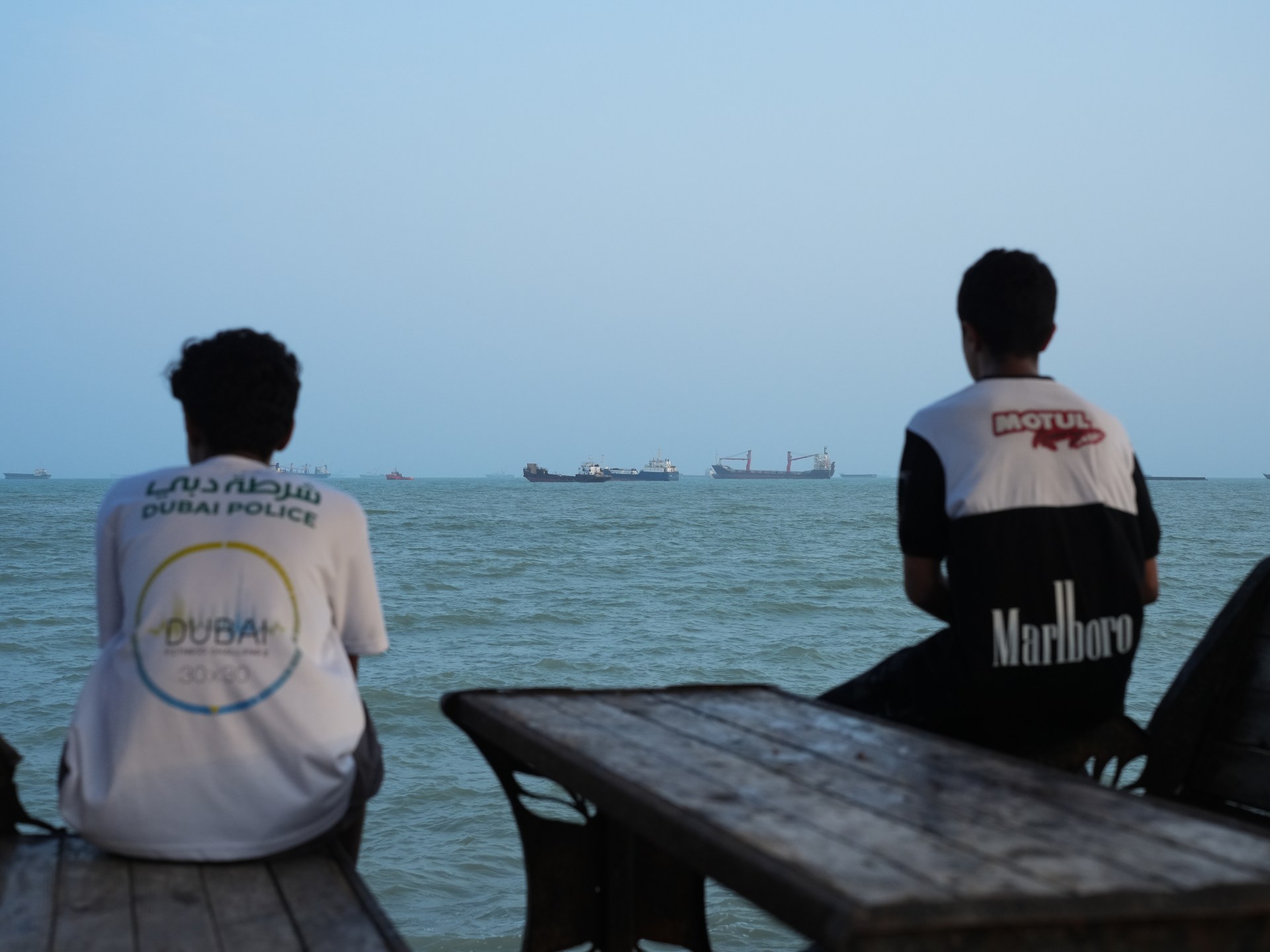
Kathmandu— Iran has disputed President Donald Trump's assertion that the United States “totally controls” the Strait of Hormuz, stating the crucial maritime passage will remain closed until Washington alters its policies and meets Iranian demands. The declaration comes amid heightened tensions following US-Israeli bombing of Iran and ongoing disruptions to commercial shipping in both the Strait of Hormuz and the Bab al-Mandeb Strait, with recent attacks resulting in casualties. Negotiations are currently limited to discussions with Oman regarding future management of the waterway, while broader peace talks remain stalled.
Conflicting Claims Over Hormuz Control
President Trump claimed on Tuesday that the US has “total control” of the Strait of Hormuz, a vital chokepoint for global oil and gas shipments. However, Mohsen Rezaie, head of Iran’s Supreme National Security Council, countered this claim, telling China’s ambassador to Tehran that the strait will remain closed until the US changes its behavior. According to United Kingdom Maritime Trade Operations, shipping levels in the Strait of Hormuz have decreased, with continued reports of attacks and harassment activity as both Iran and the US maintain blockades.
Escalating Attacks on Shipping
Recent days have seen a surge in attacks targeting vessels in both the Strait of Hormuz and the Bab al-Mandeb. The US military fired upon a Panama-flagged cargo ship in the Gulf of Oman after it allegedly attempted to violate the US blockade of Iranian ports, disabling its steering gear. Simultaneously, six people were killed in a Houthi attack on a Saudi cargo vessel in the Bab al-Mandeb Strait – marking the first reported deaths resulting from Houthi attacks on shipping since the start of the conflict. Houthi-affiliated media later claimed the ship was carrying Saudi military equipment.
Demands and Negotiations for Reopening
Iran has outlined a series of demands for reopening the Strait of Hormuz, including the lifting of sanctions, the release of frozen Iranian assets, and compensation for past attacks. Mohsen Rezaie also called for an end to the US naval blockade on Iranian ports and a region-wide ceasefire, encompassing conflicts in Gaza and Lebanon. While direct talks with the US are not currently underway, Iran is engaging with Oman regarding potential joint management of the strait, with negotiations reportedly nearing completion. Qatar’s Ministry of Foreign Affairs spokesperson Majed al-Ansari reported positive signals from both Tehran and Muscat concerning a possible reopening.
Diplomatic Efforts to De-escalate
Pakistani Interior Minister Mohsin Naqvi visited Tehran on Tuesday as part of ongoing efforts to persuade Iran to resume negotiations with Washington under an interim agreement brokered in June. This agreement, which is set to expire next week, had initially aimed to keep the Strait of Hormuz open for at least 60 days but faltered due to disagreements over control of the waterway. Analyst Negar Mortazavi suggests that the success of any future talks hinges on whether the current escalatory rhetoric represents genuine negotiating positions or firm red lines.
The situation remains fluid, with both sides continuing to signal their willingness to engage in dialogue while simultaneously escalating military posturing. The expiration of the interim agreement and ongoing attacks on shipping suggest a continued risk of further escalation unless significant compromises are reached.
(With inputs from Al Jazeera)
Originally published on abcnews.com.np.


प्रतिक्रिया दिनुहोस्