

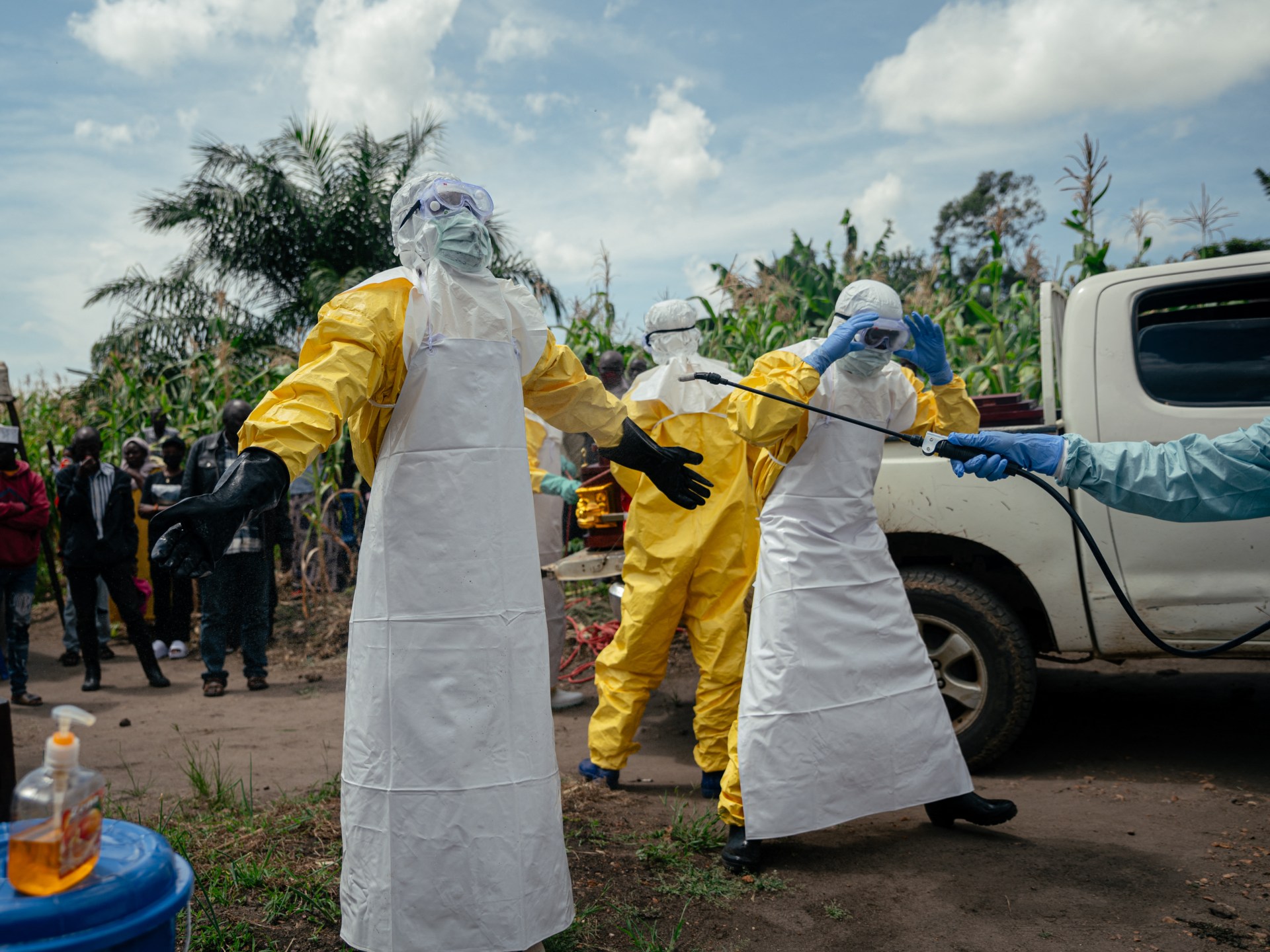
Kathmandu— A recent Ebola outbreak currently devastating the Democratic Republic of the Congo (DRC) was triggered by a new transmission of the virus from animals to humans, rather than stemming from variants seen in previous outbreaks, according to research published in Nature Medicine. The outbreak, formally declared on May 15th but circulating as early as February, has resulted in over 2,000 deaths among 4,449 recorded cases, making it the fastest-moving Ebola outbreak on record and potentially eclipsing the 2014-2016 West African crisis. The current strain, Bundibugyo, lacks a readily available vaccine, posing significant challenges for containment efforts.
Genetic Analysis Reveals New Viral Strain
Researchers from the DRC, Uganda, Belgium and other countries analyzed virus samples from 22 patients in both the DRC and Uganda. Their findings, published in Nature Medicine, revealed that the outbreak strain is genetically distinct from previous Bundibugyo Ebola viruses identified in outbreaks during 2007 and 2012. This suggests a new zoonotic spillover event – meaning the virus jumped independently from an animal reservoir into a human population – initiated the current epidemic.
Bundibugyo Strain Poses Unique Challenges
The World Health Organization (WHO) has warned that, at its current rate of transmission, this outbreak is on track to surpass the 2014-2016 West African Ebola crisis. That earlier outbreak was caused by a different strain – Zaire – for which a vaccine had been developed; however, that vaccine is ineffective against the current Bundibugyo virus. Dr Abdirahman Mahamud, WHO’s director for health emergency alert and response operations, indicated the outbreak could peak within six months, with a potential duration of nine to twelve months under more severe scenarios. Kaja Abbas, associate professor of infectious disease epidemiology, emphasized that while the initial transmission method doesn't inherently make this strain more dangerous, its human-to-human dynamics are concerning.
Treatment and Preparedness Gaps
Current treatment relies on supportive care – managing symptoms like fluid loss and organ dysfunction – as specific virus-targeting therapeutics for Bundibugyo Ebola are not yet available. Krutika Kuppalli, an infectious diseases doctor, explained that the origin of the virus doesn't change required treatment protocols but highlights gaps in preparedness. “Once someone develops Ebola disease, management is based on the virus causing the illness and the patient’s clinical condition,” she said. Researchers emphasize the need for stronger health surveillance at the human-animal interface, improved diagnostic capabilities, and medical countermeasures effective against various Ebola species.
Response Complicated by Local Factors
The outbreak response has been hampered by several factors beyond the virus itself. Strikes by unpaid healthcare workers have disrupted services, while misinformation and cultural practices – including open-casket burials – have contributed to further transmission. Over 100 health workers have been infected, with approximately 35 fatalities. The study authors suggest increasing decentralized laboratory diagnostics capacity, including genomic sequencing, could help preempt future outbreaks.
International Travel Restrictions Implemented
Several countries have expressed concern and implemented travel restrictions in response to the outbreak. Bahrain suspended entry for 30 days for travelers arriving from South Sudan, the DRC, and Uganda. Rwanda imposed health restrictions barring entry to foreign travellers who had been in the DRC within the previous 30 days. The US has warned that individuals who have been in the DRC within 21 days of departure will be denied boarding on commercial flights to US destinations. Governments across Asia have also increased border screening and quarantine preparedness.
Researchers are working to develop treatments and vaccines specific to the Bundibugyo strain, with clinical trials underway. The WHO continues to provide medical supplies and support to affected regions, but sustained international cooperation and improved local health infrastructure will be crucial for containing this outbreak and preventing future ones.
(With inputs from Al Jazeera)
Originally published on abcnews.com.np.






प्रतिक्रिया दिनुहोस्