

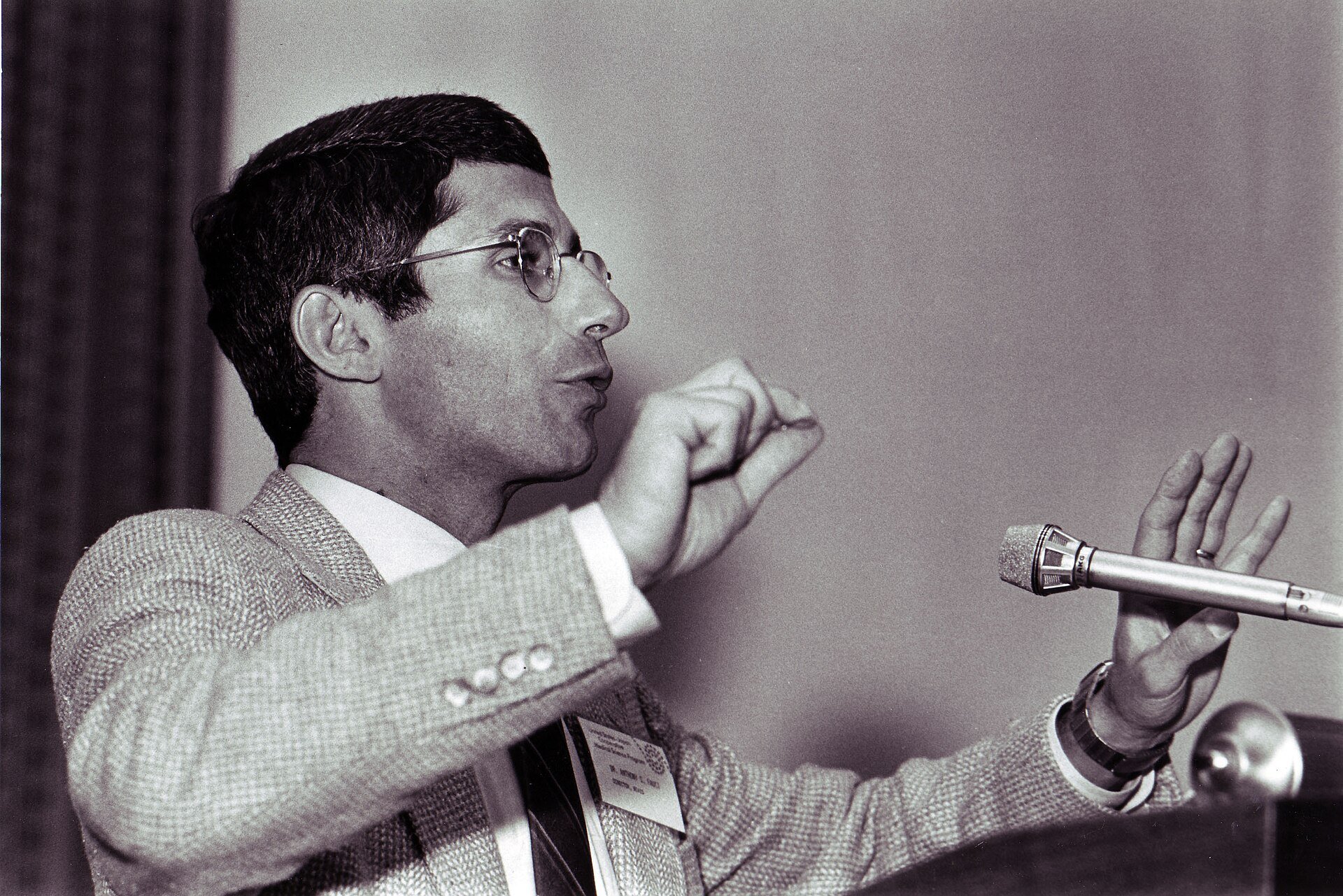
Kathmandu— Dr. Anthony Fauci, former Director of the National Institute of Allergy and Infectious Diseases, invoked the Fifth Amendment over 100 times when he testified before the Senate Committee on Homeland Security and Governmental Affairs on July 29. Subpoenaed to address his handling of the COVID-19 pandemic and the virus’s origins, Fauci declined to answer substantive questions from the committee, a shift in behavior from a previous House appearance in 2024 where he answered questions for hours. This decision followed years of public service during which Fauci became a prominent figure throughout the pandemic, but came amid increasing scrutiny and accusations from Republican lawmakers.
From Cooperation to Silence
In 2024, while testifying before the House Select Subcommittee on the Coronavirus Pandemic, Fauci was praised for his decades of public service and willingness to cooperate with investigations. Chairman Brad Wenstrup thanked him for voluntarily providing over 14 hours of testimony. However, by 2026, the atmosphere had drastically changed. Fauci began his Senate testimony by explaining that he would invoke his Fifth Amendment right due to what he perceived as Senator Rand Paul’s relentless pursuit of prosecution and repeated attacks on his character.
Echoes of Past Controversies
Fauci's decision to plead the Fifth is not unprecedented. The invocation of this constitutional protection has been utilized by various public figures facing potential criminal liability, including Oliver North and individuals involved in the “Red Scare” era investigations led by the House Un-American Activities Committee. Even former President Donald Trump invoked the Fifth Amendment during a 2022 civil deposition. Critics, however, viewed Fauci’s silence as an admission of guilt, with some commentators labeling it as ‘cowardly.’
Shifting Public Perception
During the height of the pandemic, Fauci enjoyed widespread respect and trust as a leading medical expert and reassuring public figure. However, recently released diary entries revealed a different side to Fauci, detailing reflections on his fame and interactions with celebrities like Julia Roberts. This shift in public image coincided with increased criticism from figures such as RFK Jr., who accused Fauci of dishonesty regarding various aspects of the pandemic response. The Senate Committee ultimately voted along party lines to hold Fauci in contempt and referred the matter to the Justice Department for potential prosecution.
Unanswered Questions Remain
The core question surrounding Fauci’s decision remains: why did he choose to invoke the Fifth Amendment? While he cited legal advice suggesting potential criminal liability, some observers believe his refusal stemmed from a belief that Senator Paul was intentionally attempting to trap him into making incriminating statements. Others argue that fundamental questions about the origins of COVID-19 and the decisions made during the pandemic remain unanswered, leaving a significant gap in understanding the events that impacted millions worldwide.
The Justice Department has not yet indicated whether it will pursue the case against Fauci, leaving his legal future uncertain as debates continue regarding transparency and accountability for actions taken during the COVID-19 pandemic.
(With inputs from CounterPunch)
Originally published on abcnews.com.np.


प्रतिक्रिया दिनुहोस्