

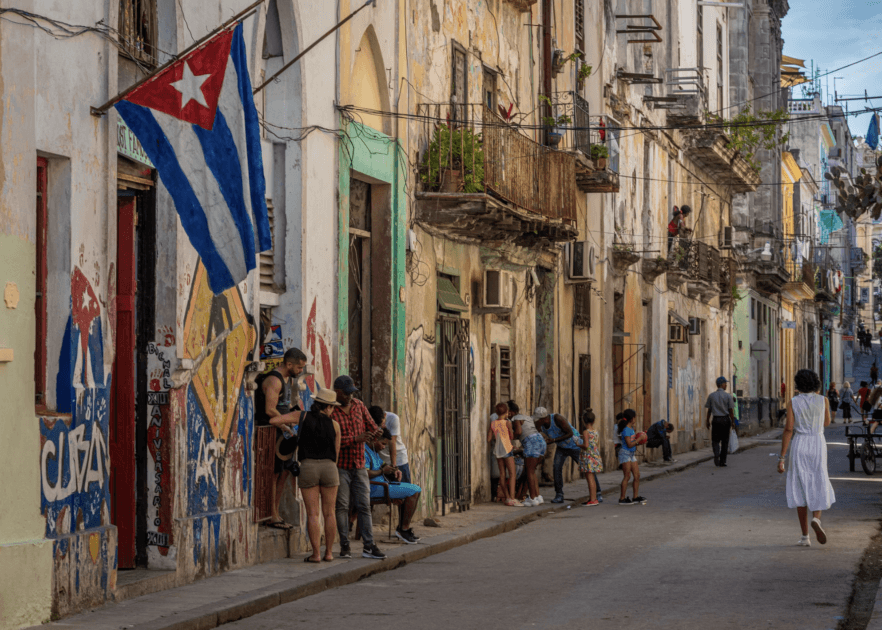
Kathmandu— For over six decades, the United States has pursued policies aimed at influencing Cuba’s political system, most recently intensifying pressure on its energy supply. Six months after new US measures targeting oil shipments to the island nation were enacted in January 2026, the policy has not achieved its stated goals of democratic change but has instead resulted in widespread disruptions to essential services like electricity, transportation, and healthcare, exacerbating existing economic challenges for the Cuban people. The situation demands immediate humanitarian assistance and a shift towards cooperative solutions that respect Cuba’s sovereignty and allow it to build a resilient energy system.
Economic Pressure and its Consequences
On January 29, 2026, then-US President Donald Trump issued an executive order imposing tariffs on goods from countries supplying oil to Cuba, framed as a matter of national security. This action, along with broader sanctions and threats against suppliers, created what has been described as an effective oil blockade, hindering Cuba’s access to vital fuel imports. The blow fell upon an economy already struggling with declining Venezuelan deliveries, pressure on Mexican supplies, and limited foreign exchange reserves. Fuel scarcity quickly permeated all aspects of Cuban life, leading to frequent island-wide blackouts due to failures in the aging power grid. These outages disrupted water pumps, spoiled food and medicine, and forced families to cope with extreme heat without reliable electricity.
Impact on Essential Services
The fuel shortage has severely impacted essential services across Cuba. Public transportation systems have been paralyzed, petrol stations closed or rationed supplies, and workers struggled to commute. The inability to easily harvest crops and transport food from rural areas to cities has worsened food security, while deteriorating garbage collection and sanitation pose public health risks. Even hospitals and ambulances are forced to ration generator fuel amidst growing shortages of medicines and basic medical supplies. Flights have been cancelled or rerouted due to a lack of aviation fuel, further damaging Cuba’s tourism sector – a key source of hard currency.
Unequal Burden and Vulnerable Populations
The hardships caused by the oil blockade are not felt equally across Cuban society. While those with access to dollars can sometimes procure essential goods, workers and pensioners reliant on pesos face limited options. Women bear much of the additional burden of finding food and water, while rural communities, people with disabilities, and patients requiring refrigerated medicines are particularly vulnerable. The central victims of this policy, according to observers, are all the Cuban people.
Pathways to Recovery and Cooperation
To avert a humanitarian disaster, an immediate and predictable energy arrangement is needed. The United Nations, along with willing Latin American and Caribbean governments, should establish a monitored fuel corridor for essential services like power generation, hospitals, water sanitation, food production, public transport, and disaster preparedness. Participating governments must provide payment guarantees, insurance, and legal protection to humanitarian suppliers, while the US should issue durable general licenses instead of case-by-case waivers. Beyond emergency relief, Washington and Havana should engage in structured negotiations, supported by regional mediators, with a focus on reciprocity without coercion – suspending measures that punish third-country trade and establishing a timetable for lifting sanctions.
Cuba has already begun diversifying its energy suppliers and exploring renewable sources like solar power. A long-term solution requires international cooperation to ensure Cuba’s right to determine its own future and build a sustainable, independent energy system.
(With inputs from CounterPunch)
Originally published on abcnews.com.np.

प्रतिक्रिया दिनुहोस्