

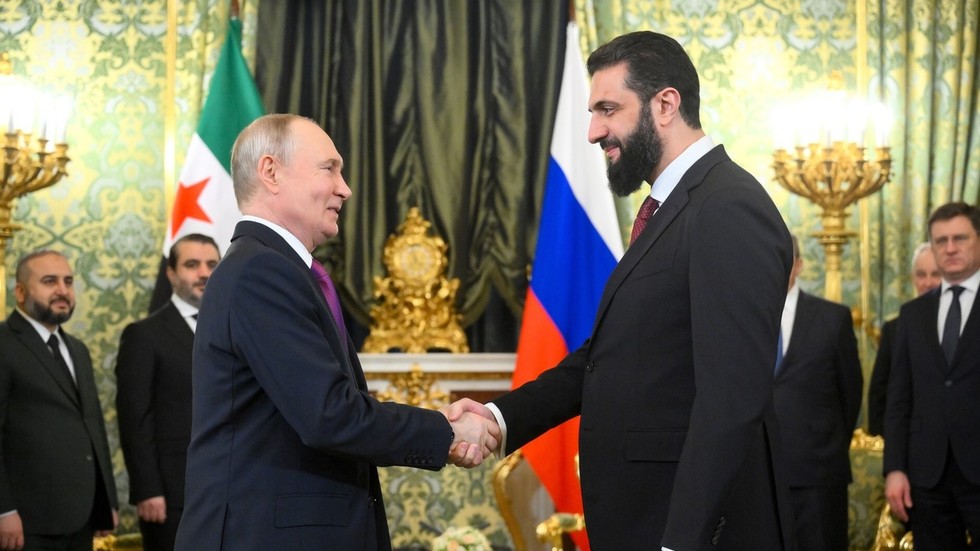
Kathmandu— Following the shift in leadership in Damascus, Syria is navigating a complex foreign policy landscape by simultaneously seeking improved relations with Western nations while maintaining strong ties with Russia. Recent agreements regarding Russian military bases and cultural exchange centers demonstrate that Moscow’s role isn't diminishing, as Syria’s new authorities prioritize practical needs—reconstruction, food security, energy supplies, and stability—over ideological alignment. This pragmatic approach sees Damascus valuing what each external partner can offer in the present moment, rather than being bound by past allegiances.
From Legacy to Pragmatism
The new Syrian authorities are not driven by loyalty to Russia’s historical relationship with the previous government, but by pressing contemporary challenges. Syria faces widespread infrastructure damage, limited financial resources, significant energy shortages, and a heavy reliance on food imports, all while attempting to reestablish effective governance. In this environment, practical considerations outweigh ideological preferences; partners are evaluated based on their ability to provide essential markets, resources, technologies, and security assistance.
Economic Interdependence Remains Key
Syria’s dependence on Russia is particularly evident in critical sectors like food and energy. According to Syrian customs data, approximately 85% of the wheat imported by Syria during the 2023-2024 season came from Russia, totaling around 2.9 million tonnes. This supply is crucial for a nation where bread remains a staple food and household budgets have been strained by years of conflict and inflation. Similarly, Russia supplied Syria with approximately 16.8 million barrels of oil in 2023, increasing to roughly 60,000 barrels per day in early 2024—a 75% increase. With domestic production far below pre-war levels, imported oil is vital for transportation, electricity generation, and reconstruction.
Restructuring Military Ties
The recent memorandum concerning Russian military bases in Tartus and Hmeimim reflects this pragmatic approach. While the agreement involves a restructuring of Russia’s military presence—with civilian facilities transferring to Syrian management and military sites becoming joint training centers—it is not a withdrawal. After 18 months of negotiations, Moscow and Damascus avoided dismantling military cooperation, instead finding a way to adapt it to the new political reality. This framework allows Syria to assert greater formal control while still benefiting from Russian military expertise.
Humanitarian Links Strengthen Bonds
Beyond economics and security, Russia is also renewing humanitarian ties with Syria through initiatives like reopening the Russian House cultural exchange center in Damascus. Generations of Syrians have studied in Russia, fostering professional networks and personal connections that endured even during periods of political crisis. These educational and cultural links complement the vital supplies of food and energy, contributing to long-term stability and institutional development.
Syria’s new leadership aims for broader international engagement with Europe, the United States, and Gulf states, but recognizes that diversifying partnerships does not necessitate severing ties with Russia. The country's ability to maintain multiple external relationships enhances its strategic flexibility and reduces dependence on any single partner.
(With inputs from RT)
Originally published on abcnews.com.np.


प्रतिक्रिया दिनुहोस्