

Kathmandu— A series of court cases involving predatory lending practices has brought the issue of usury—the practice of charging excessively high interest rates—into sharp focus, revealing a deeper problem than mere economic calculation. While often framed as an economic issue, critics argue that usury is fundamentally political, rooted in power imbalances and perpetuated by a system that favors capital over individuals. From Pennsylvania to Colorado, legal challenges are underway against lenders accused of exploiting loopholes and charging exorbitant rates, with some loans exceeding 130% interest.
Historical Condemnation of Usury
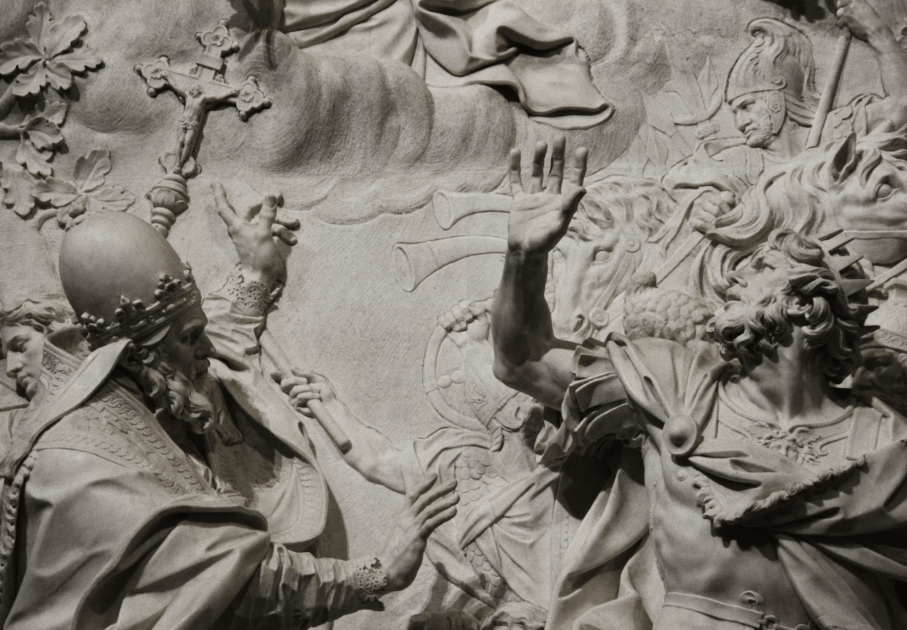
The condemnation of usury is not a modern phenomenon; it has deep historical roots. Pope Leo recently stated that the practice corrupts the human heart and enslaves vulnerable populations. This critique echoes through history, with figures like Benjamin Tucker, an ardent advocate for free markets and individual liberty, identifying usury as a defining characteristic of capitalism—but one stemming from political power rather than natural economic forces. Tucker argued that usury represents a distortion of genuine exchange, creating relationships of domination instead of voluntary benefit.
Legal Battles Over Interest Rate Caps
Recent legal battles demonstrate the ongoing struggle against usurious practices. The Fourth Circuit Court recently allowed a Pennsylvania consumer protection lawsuit to proceed against TitleMax, potentially resulting in over $50 million in penalties for charging interest rates exceeding 132% on a loan of just over $7,700. Similarly, a case before the Tenth Circuit involves state-chartered banks partnering with fintech companies to offer high-interest loans across state lines, challenging Colorado’s usury laws. These lenders argue they should be able to export interest rates legal in their home states—like Utah, where 160% rates are permissible—even if those rates constitute a felony in other states like Colorado.
The Illusion of Free Markets
Critics contend that defenders of capitalism often mistakenly equate the system with freedom and voluntary exchange. Philosopher Jeremy Bentham once defended usury as a matter of individual liberty, but this perspective is seen as incomplete. The argument overlooks how power dynamics can distort economic relationships, turning what appears to be free exchange into a form of coercion. This dynamic aligns historically with systems of feudalism and mercantilism, where privilege and control were paramount. Defenders of capitalism, it's argued, apply the principles of supply and demand to everything *except* capitalism itself.
Capitalism vs. Genuine Free Markets
The core distinction lies between genuine free markets and the current capitalist system. A true free market would feature equilibrium, efficient resource allocation, minimal barriers to entry, and a natural tendency towards zero profit margins for rent, interest, and profit. Capitalism, however, is characterized by endless accumulation, state-manufactured barriers to competition, and legal protections for powerful capital. In a free market, the law would act as a neutral referee; in capitalism, it actively architects inequality. Furthermore, participation in a truly voluntary system should be optional, while current economic structures often necessitate involvement for survival.
These ongoing legal challenges and philosophical debates suggest that addressing usury requires more than simply regulating interest rates—it demands a fundamental reevaluation of the relationship between political power, economic systems, and individual liberty.
(With inputs from CounterPunch)
Originally published on abcnews.com.np.





प्रतिक्रिया दिनुहोस्