ABC NEWS NEPAL | No.1 News channel of Nepal
३१ श्रावण २०८३, आइतबार
  • होमपेज
  • मुख्य समाचार
  • अर्थ वाणिज्य
  • विचार
  • खेलकुद
  • अन्तर्राष्ट्रिय
  • प्रदेश विशेष
  • राजनीति विशेष
  • ENGLISH
  • समाचार
  • विशेष
  • रिपोर्ट
  • विचार
  • अर्थ वाणिज्य
  • जीवनशैली
  • प्रदेश विशेष
  • मनोरञ्जन
  • खेलकुद
  • ENGLISH
  • प्रदेशबिशेष
    • कोशी
    • मधेश
    • बागमती
    • गण्डकी
    • वाग्मती
    • कर्णाली
    • सुदूरपश्चिम
  • सोसल भिडिया
  • Facebook
  • Twitter
  • Youtube
  • Instagram

Jeju Massacre: US-Backed Repression Led to Thousands of Deaths on Korean Island


ABC NEWS
३१ श्रावण २०८३, आइतबार   १० : ५५   बजे

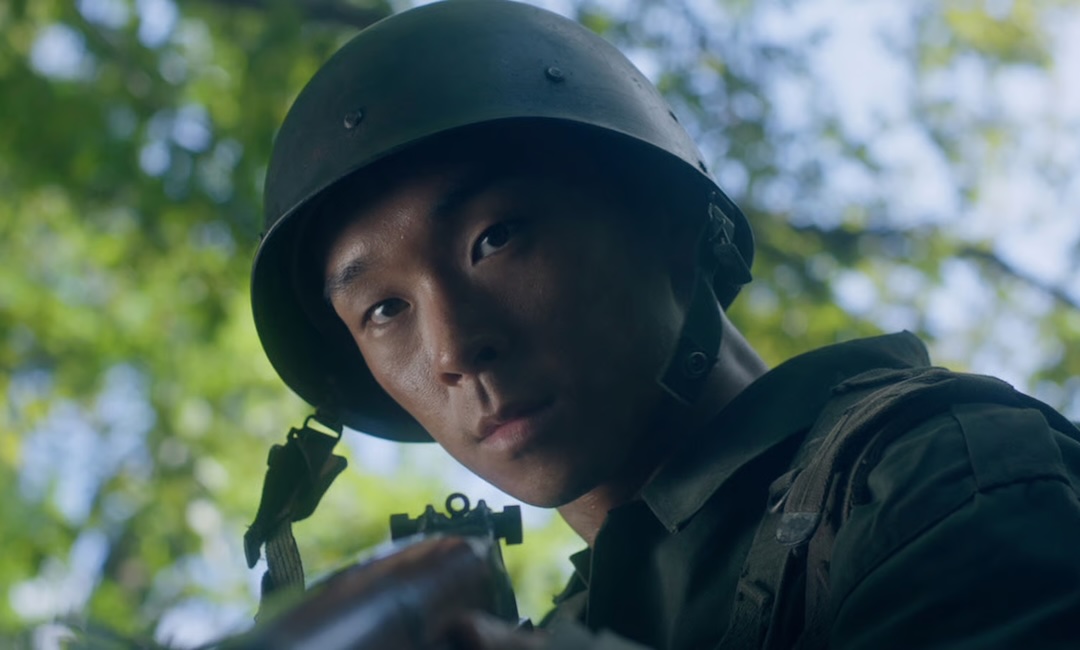
Kathmandu— In 1948, a US-supported regime in South Korea initiated a violent suppression campaign on Jeju Island, leading to the deaths of an estimated 30,000 residents – roughly one in ten islanders. The event, now known as the Jeju Massacre, was largely covered up by the Korean government for decades, obscuring its place in the nation’s collective memory alongside other tragedies like the Korean War and the Gwangju Uprising.

Collective Memory of Tragedy

South Koreans often remember significant historical events using numerical shorthand. The outbreak of the Korean War is marked as “6.25” (June 25, 1950), while the Gwangju Uprising is remembered as “5.18” (May 18, 1980). This practice of condensing dates into pairs of digits is common throughout East Asia – exemplified by “6.4” for the Tiananmen Square massacre and “3.11” for the Great East Japan Earthquake – but it’s particularly ingrained in South Korean culture as a way to recall periods of immense loss.

Scale of Civilian Deaths

These date-based memorials often compress, and sometimes conceal, the sheer scale of death associated with each event. Approximately three million civilians perished during the Korean War, referred to as “6.25.” The number of civilian casualties in Gwangju and Tiananmen Square remains a subject of debate, while the long-term consequences of the Fukushima nuclear disaster may not be fully understood for generations.

The Jeju Massacre stands as a stark reminder of a violent period in Korean history, one that has been historically obscured but is increasingly being acknowledged alongside other national tragedies.

(With inputs from Jacobin)

Originally published on abcnews.com.np.

प्रतिक्रिया दिनुहोस्

ताजा अपडेट

सनातन धर्मलाई राष्ट्रिय पहिचानका रूपमा अघि बढाउने कांग्रेस इतर समूहको प्रतिबद्धता

कपिलवस्तुमा तीन घण्टामै ६२.२ मिलिमिटर वर्षा, विभिन्न प्रदेशमा वर्षा जारी

सम्बन्धित

California Congressman Switches Parties After Democrats Redraw District Maps

Dueling Messages on ICE Highlight Democratic Divisions

Lebanon’s Economic Crisis Worsens Amid Israeli Attacks on Farmland

Russian Satellite Records Stunning Views of Total Solar Eclipse

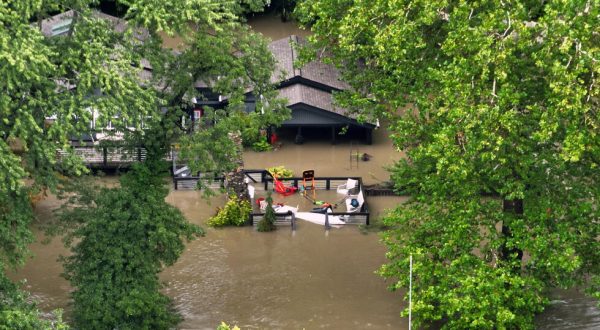
Severe Flooding Kills Five in Indiana as State Recovers From Historic Rainfall

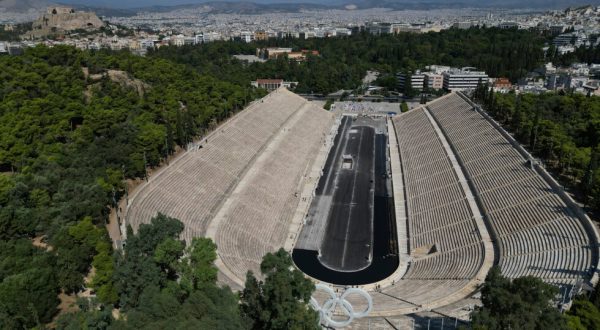
Historic Athens Stadium Undergoes First Deep Clean in Over a Century

ABC NEWS NEPAL | No.1 News channel of Nepal
एबीसी मिडिया ग्रुप प्रा.लि.
  • सूचना विभागमा दर्ता नं. : २००१।०७७–०७८
  • कार्यालय सम्पर्क
  • Lazimpat, Ranibari- Kathmandu - 3
    +977 01 4240666 / 977-014011122
    Admin: [email protected]
    News: [email protected]
    विज्ञापनका लागि सम्पर्क
  • +977 9802082541, 9802060000
    [email protected]
साइट नेभिगेशन
  • गृहपृष्‍ठ
  • समाचार
  • विशेष
  • अन्तर्वार्ता
  • एबीसी विज
  • जीवनशैली
  • मनोरञ्जन
  • विचार
  • SS Opinion
एबीसी मिडिया ग्रुप प्रा.लि.टीम
  • अध्यक्ष / प्रधान सम्पादक : शुभशंकर कँडेल
  • प्रबन्ध निर्देशक : शारदा शर्मा
  • सम्पादक : डण्ड गुरुङ
  • सह-सम्पादक : कविराज बुढाक्षेत्री
©2026 ABC NEWS NEPAL | No.1 News channel of Nepal | Website by Appharu