

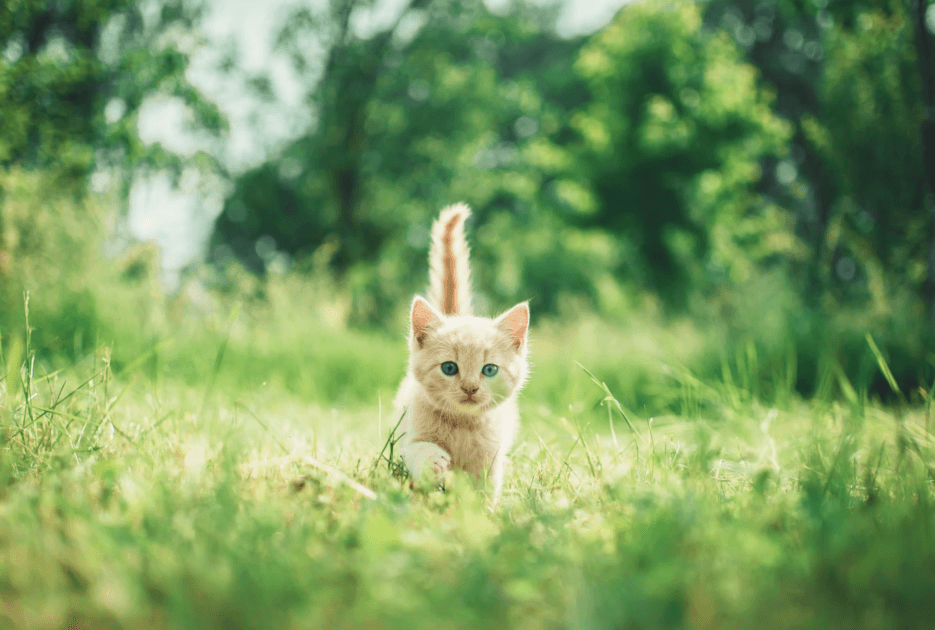
Kathmandu— Driven by concerns over the devastating impact of domestic and feral cats on Australian wildlife, local councils are increasingly implementing nighttime curfews for pet felines. The City of Boroondara in Melbourne recently adopted an order requiring cats to remain inside their owners’ properties after dark, joining a growing number of municipalities grappling with how to balance responsible pet ownership with the need to protect native fauna. A 2020 study revealed that each roaming cat kills an average of 186 reptiles, birds and mammals annually, contributing to an estimated annual loss of 390 million animals across Australia.
The Scale of Feline Predation
Australia’s unique ecosystem, having evolved without significant predator pressure for millennia, is particularly vulnerable to introduced species like cats. Research published in Wildlife Research in 2020 highlighted the alarming scale of predation by domestic cats, estimating that they kill between 4,440 and 8,100 native animals per square kilometer each year. This equates to a nationwide toll of hundreds of millions of creatures annually, raising serious concerns about biodiversity loss.
Local Councils Take Action
The City of Boroondara’s recent decision is part of a broader trend of local councils attempting to address the issue through cat containment orders. The council stated that the curfew aims to improve general cat management, encourage responsible ownership—including registration, microchipping and desexing—and protect local wildlife. Similar debates have occurred for decades, with some councils initially dismissing curfews as impractical.
Challenges and Opposition
Despite growing support for cat containment – a 2024 report found only 8% opposition to such policies – implementing these measures is not without its challenges. Concerns remain about the welfare of confined cats, housing limitations for owners, and financial burdens associated with creating suitable indoor environments. Some residents have also voiced objections, citing concerns about their cats’ natural instincts and questioning the effectiveness of targeting pet cats when feral populations pose a greater threat. John Carruthers of the Hills Veterinary Centre argued that “most (native) wildlife is killed by feral cats, not pet cats.”
State-Level Support and Future Plans
Recognizing the need for a standardized approach, Western Australia’s Local Government Minister Hannah Beazley has promised changes to alleviate the requirement for councils to seek parliamentary approval for cat containment ordinances. The goal is to develop a “model local law” that can be adopted across the state. Additionally, advocates point to benefits beyond wildlife protection, noting that contained cats often live longer and incur lower veterinary costs—owners of contained cats spend about 400% less on vet fees than roaming cats, according to the RSPCA.
A Complex Issue with No Easy Answers
The debate over cat containment highlights a broader tension between human responsibility towards domestic animals and the preservation of native ecosystems. Organizations like the Australian Pet Welfare Foundation acknowledge that mandatory confinement is not a simple solution, recognizing factors such as housing limitations and financial constraints. University fellow Jaan Dielenberg suggests that effective implementation requires community communication, financial rebates for owners, and consistent enforcement.
As more local governments consider cat containment measures, ongoing dialogue between policymakers, animal welfare organizations, and residents will be crucial to finding sustainable solutions that protect both wildlife and the well-being of domestic cats.
(With inputs from CounterPunch)
Originally published on abcnews.com.np.




प्रतिक्रिया दिनुहोस्