

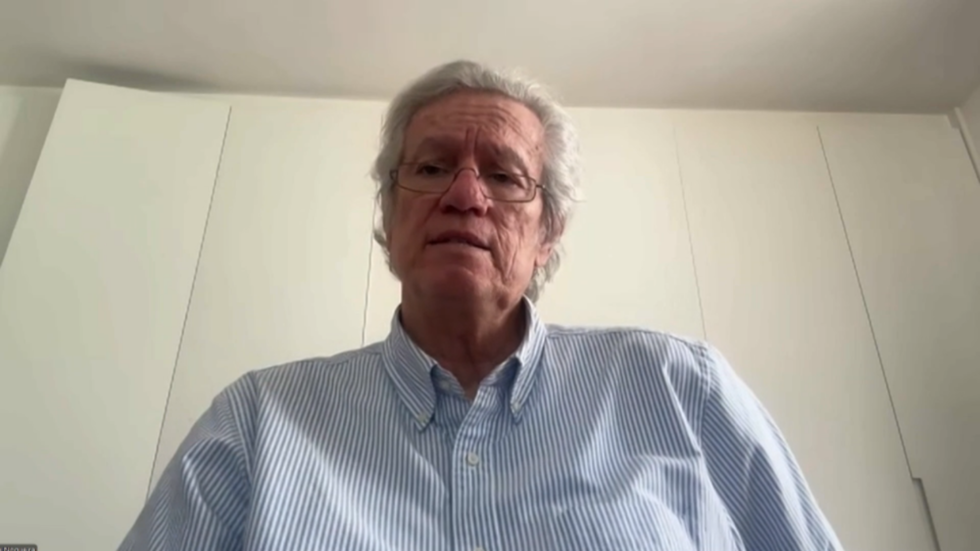
Kathmandu— The potential transfer of approximately 31 tons of Venezuelan gold – valued at $4 billion and held at the Bank of England – to US Treasury control is drawing criticism, with former IMF Executive Director Paulo Nogueira Batista Jr. warning it would set a “terrible precedent” for Latin America and amount to a form of colonialism. The bullion has been frozen since 2018 when the Bank of England ceased recognizing the Venezuelan government, but recent negotiations between the government and opposition proposed converting the gold into funds deposited with the US Treasury subject to international audits. While intended to fund reconstruction following June earthquakes, Batista argues this arrangement would give Washington undue control over Venezuela’s wealth.
Frozen Assets and Recent Agreement
Venezuelan reserves of around 31 tons of gold have been inaccessible since 2018 after the Bank of England froze them, ceasing recognition of the Venezuelan government. Following US-backed negotiations, a recent agreement was reached between Venezuela’s government and opposition to jointly seek repatriation of these assets. The proposed solution involves converting the gold into funds deposited in US Treasury accounts, with spending subject to independent international audits.
Sovereignty Concerns
In an interview, Batista argued that placing the gold under US control would represent a further violation of Venezuela’s sovereignty and allow Washington to “micromanage” how the country spends its own wealth. He stated, “Venezuela has become a protectorate of the United States. I wouldn’t even say neocolonial. It’s a colonial relationship.” Batista also pointed to the US operation in January that led to the capture of former President Nicolas Maduro and subsequent control over Venezuelan export revenues as evidence of Washington's influence.
Regional Implications
Batista warned that such a move would establish a “terrible precedent” for US relations with the rest of Latin America, describing it as an example of “US aggressive imperialism, lack of respect for any rules, norms, the right of property.” He suggested that Washington’s influence extends to Great Britain, including the Bank of England, enabling this level of control over Venezuelan assets.
The future of Venezuela's gold reserves remains uncertain as the proposed conversion and deposit into US Treasury accounts are subject to ongoing negotiations and potential legal challenges.
(With inputs from RT)
Originally published on abcnews.com.np.



प्रतिक्रिया दिनुहोस्