

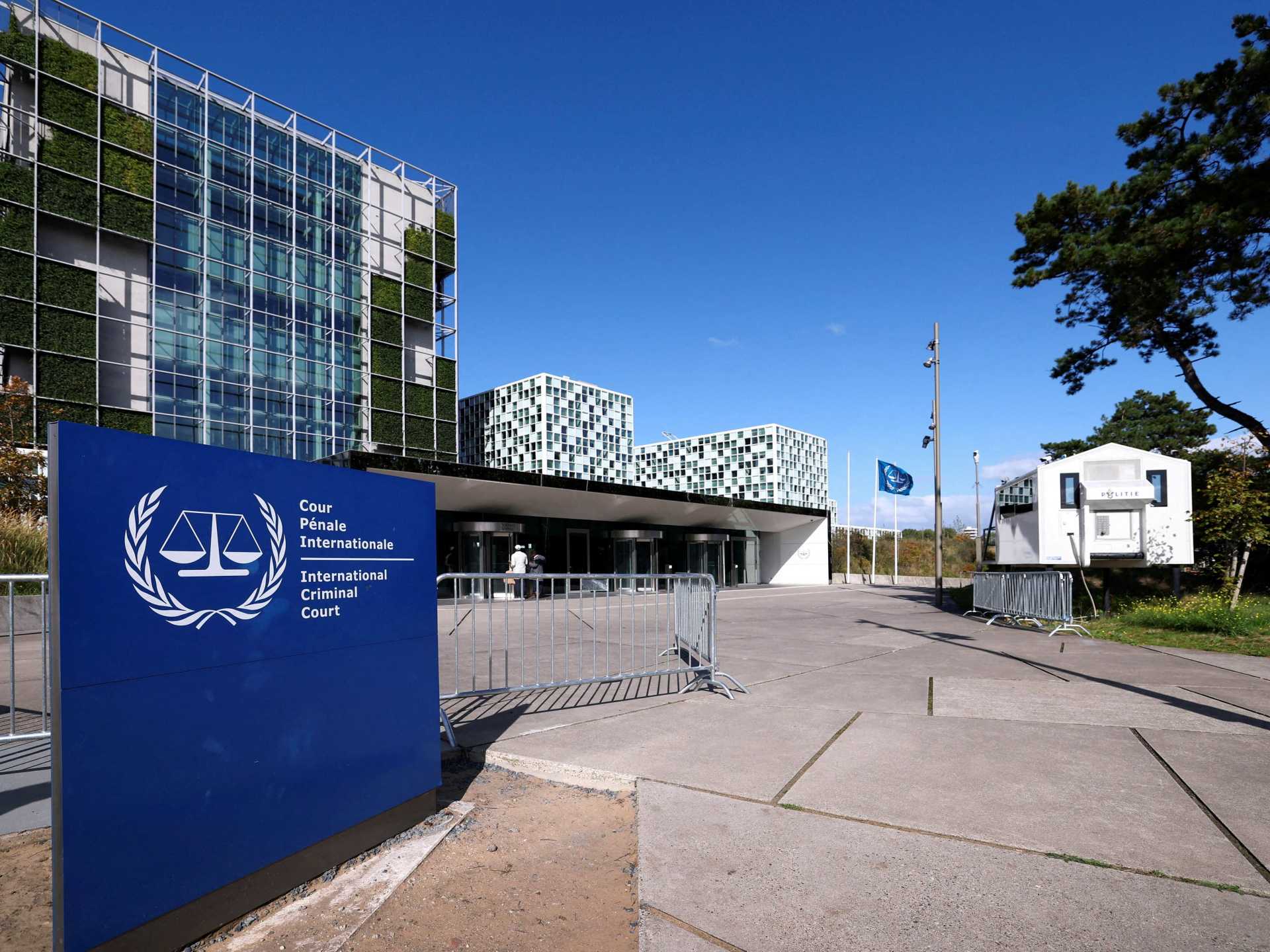
Kathmandu— The International Criminal Court (ICC) strongly condemned the United States on Wednesday after the Trump administration sanctioned its President Tomoko Akane and senior trial lawyer Abdoulaye Seye, labeling the move a “flagrant attack” on the court’s independence. The sanctions are part of an ongoing US campaign against the ICC, which Washington views as a “corrupt and fatally politicised body,” and follow previous measures targeting officials involved in investigations concerning US ally Israel. Japan and the European Union have voiced support for Akane and the ICC, while the US maintains the sanctions target those attempting to prosecute individuals from non-consenting nations.
Escalating US Opposition
Washington’s latest actions build on previous sanctions imposed on ICC officials, largely stemming from the court's investigations involving Israel. Last month, the US launched a diplomatic offensive urging countries to withdraw from the ICC – a move already signaled by Chad and Venezuela. The ICC expressed concern over these withdrawals, stating they risk undermining the collective pursuit of justice. Secretary of State Marco Rubio asserted that those sanctioned had “directly engaged in efforts” to investigate and prosecute individuals whose governments haven't consented to ICC jurisdiction.
International Backlash
Japan, a major funder of the ICC and close US ally, objected to the sanctions, reaffirming its support for the court’s mission to prosecute serious international crimes and uphold the rule of law. Ministry of Foreign Affairs press secretary Toshihiro Kitamura issued a statement emphasizing Japan's consistent backing of the ICC. The European Union also rallied behind Akane, with European Commission chief Ursula von der Leyen and European Council head Antonio Costa declaring their firm support for officials who “must be able to act independently and without external pressure.”
ICC’s Response and Mandate
The Hague-based court responded forcefully, stating the sanctions represent a “flagrant attack” on an impartial judicial institution and undermine the rule of law. The ICC maintains it acts as a last resort when national legal systems fail to ensure accountability for the gravest atrocities. Established in 2002, the court’s mandate includes prosecuting individuals accused of genocide, war crimes, and crimes against humanity.
Recent Arrest Warrants Spark Controversy
The Trump administration previously imposed sanctions after the ICC issued an arrest warrant for Israeli Prime Minister Benjamin Netanyahu regarding the conflict in Gaza. In 2023, the court also issued a warrant for Russian President Vladimir Putin over the war in Ukraine, prompting Moscow to issue reciprocal warrants for senior ICC officials, including Akane. Four human rights groups have sued President Trump in New York over the sanctions, arguing they obstruct victims of war crimes from seeking justice.
The US signed the Rome Statute establishing the ICC but never ratified it; Israel and Russia are also not members. The situation highlights a growing rift between the US and the international court, raising questions about the future of global efforts to prosecute war crimes and atrocities.
(With inputs from Al Jazeera)
Originally published on abcnews.com.np.




प्रतिक्रिया दिनुहोस्