

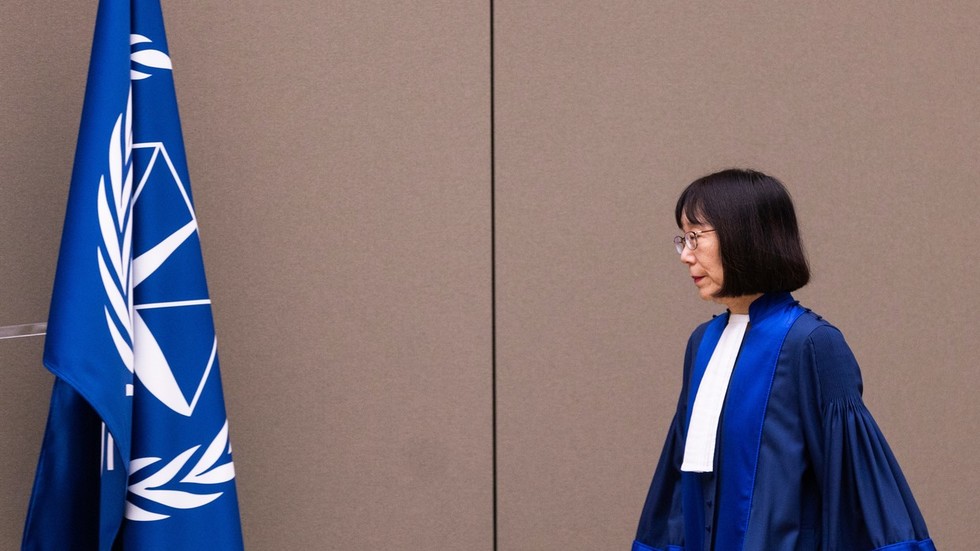
Kathmandu— The United States government has sanctioned the President of the International Criminal Court (ICC), Tomoko Akane, and senior trial lawyer Abdoulaye Seye, escalating a long-running dispute with The Hague-based institution. Secretary of State Marco Rubio designated the officials on Tuesday, alleging that the ICC has exceeded its authority and is “corrupt and fatally politicized.” These sanctions are part of a broader campaign to challenge the court’s legitimacy and jurisdiction, particularly regarding investigations involving nationals of countries not party to the Rome Statute.
Expanding US Opposition to the ICC
The designations build on an earlier initiative announced last month by Secretary Rubio to “systematically dismantle the threat posed” by the ICC to US sovereignty. The core of the US objection lies in the court’s investigations into alleged crimes committed by nationals of non-member states, specifically referencing past inquiries into actions by US military and intelligence personnel in Afghanistan. This action follows a February 2025 executive order signed by President Donald Trump that condemned ICC arrest warrants.
ICC Arrest Warrants Spark International Reactions
Recent ICC decisions have drawn criticism from multiple nations. In 2024, the court issued arrest warrants for Israeli Prime Minister Benjamin Netanyahu and former Defense Minister Yoav Gallant concerning alleged war crimes in Gaza, a move welcomed by Netanyahu following the US sanctions announcement. Seye, one of the sanctioned officials, was involved in the prosecution of the case against Netanyahu and also oversaw an investigation into funding for West Bank settlements. Several African nations—Burkina Faso, Mali, Niger, and Chad—have initiated withdrawals from the ICC this year, citing perceived bias.
Challenges to ICC Authority From Multiple Countries
Beyond the US and Israel, other countries have rejected the ICC’s authority. Russia dismissed arrest warrants issued in March 2023 for President Vladimir Putin and Children’s Rights Commissioner Maria Lvova-Belova related to alleged deportation of Ukrainian children as legally invalid. The Philippines withdrew from the court in 2019 but the ICC maintained jurisdiction over crimes committed during its membership, leading to an arrest warrant for former President Rodrigo Duterte in March 2025 concerning alleged human rights abuses during his anti-drug campaign and subsequent transfer to The Hague.
ICC Response and Concerns Over Independence
The International Criminal Court has strongly condemned the US sanctions as “a flagrant attack against the independence of an impartial judicial institution.” The court maintains its legitimacy and impartiality, despite facing increasing pressure from various nations questioning its jurisdiction and actions.
The US continues to pursue a policy aimed at limiting the ICC’s reach, while the court defends its mandate and independence amid growing international scrutiny. Further diplomatic tensions and legal challenges are anticipated as these disputes unfold.
(With inputs from RT)
Originally published on abcnews.com.np.

प्रतिक्रिया दिनुहोस्