

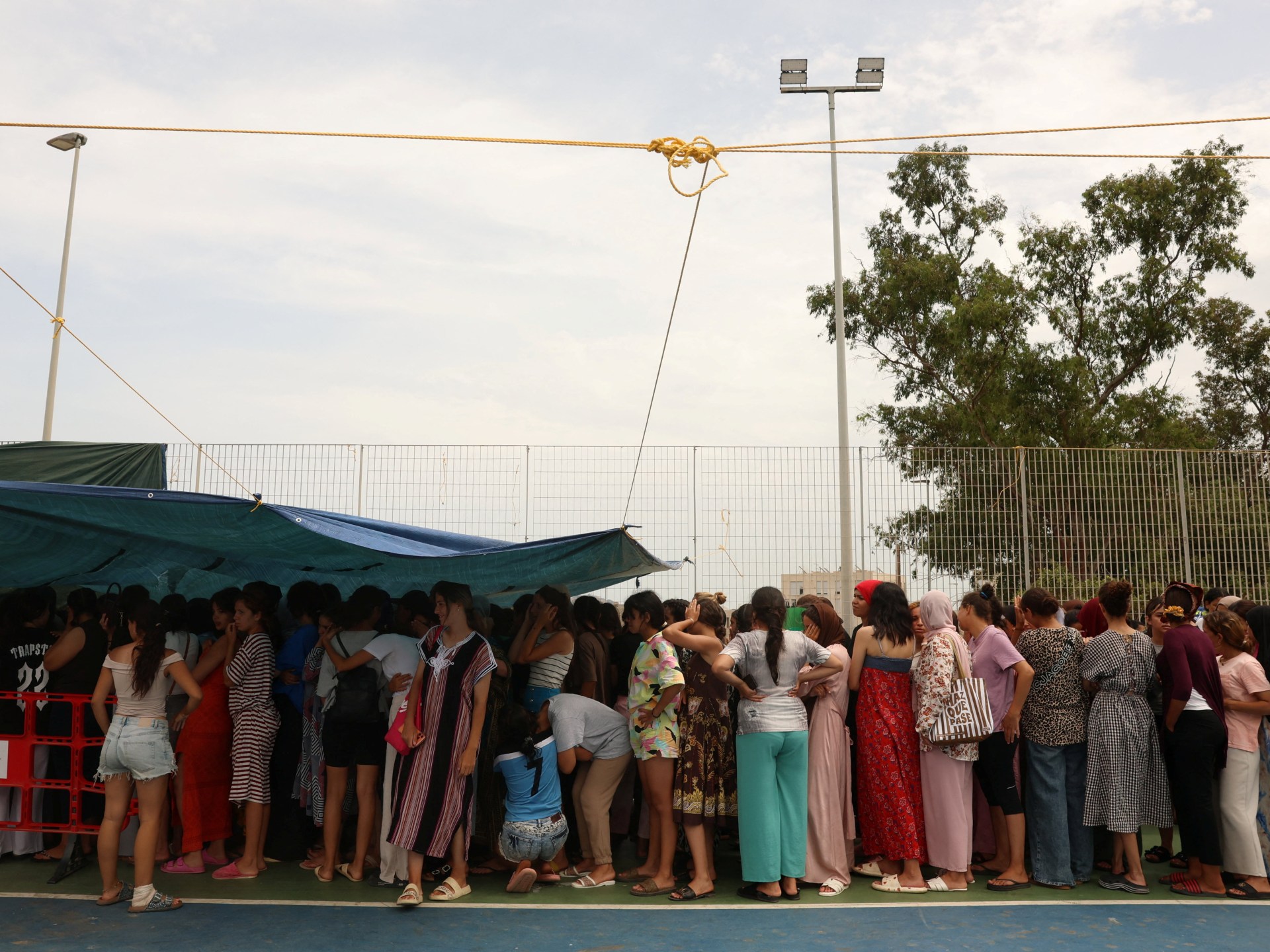
Kathmandu— Spain is planning to move approximately 500 unaccompanied children from its enclave of Ceuta to various regions on the Spanish mainland, following a recent surge in migration that saw tens of thousands of people cross the border from Morocco. The decision comes as Ceuta’s child-protection system has been overwhelmed by the influx, operating at over 4,600 percent of its intended capacity, and follows a mass crossing event on July 30th. While Madrid intends to provide care for these vulnerable children through foster placements or family reunification, local authorities in Ceuta maintain that repatriation to Morocco remains their preferred outcome.
Overwhelmed Capacity in Ceuta
The recent arrival of over 70,000 migrants has placed immense strain on Ceuta’s resources, particularly its child-protection services. The enclave typically has a reception capacity of just 29 places for migrant children, but shelters are currently housing around 1,350. This extraordinary situation prompted the Ministry of Youth and Children to identify approximately 500 of the most vulnerable children for relocation to the mainland. Migration Minister Elma Saiz stated that these children will be placed under the care of child protection organizations across Spain.
Differing Views on Repatriation
While Ceuta’s government has accepted the temporary transfer as an “extraordinary measure,” it continues to advocate for the return of all irregular migrants, including minors, to Morocco. Sira Rego, Spain’s youth and children minister, strongly opposed this idea, describing any attempt to deport the children as “outrageous” and emphasizing that returns must be voluntary and accompanied by appropriate safeguards. UNICEF has also raised concerns about the “insecurity and unsanitary conditions” faced by hundreds of children in Ceuta.
Political Opposition to Relocation Plan
The relocation plan has drawn criticism from opposition parties within Spain. Elias Bendodo, an official with the People’s Party (PP), argued that all those who entered illegally should be returned to Morocco, including minors. Santiago Abascal, leader of the far-right Vox party, voiced even stronger opposition, criticizing the use of Spanish funds for supporting migrants and accusing them of facilitating human trafficking. In response, Minister Rego accused the PP of aligning with what she described as Vox’s “racist positions”.
Tragic Toll of Border Crossing
The surge in migration has also resulted in tragic loss of life. Juan Jesus Vivas, Ceuta’s mayor-president, reported that at least 100 people died attempting to reach the enclave, many drowning or being crushed by a breakwater while swimming.
The transfer of the 500 children is expected to begin shortly, with plans for their distribution across Spain’s autonomous regions. The situation in Ceuta remains fluid as authorities continue to manage the ongoing influx of migrants and address the humanitarian challenges.
(With inputs from Al Jazeera)
Originally published on abcnews.com.np.



प्रतिक्रिया दिनुहोस्