

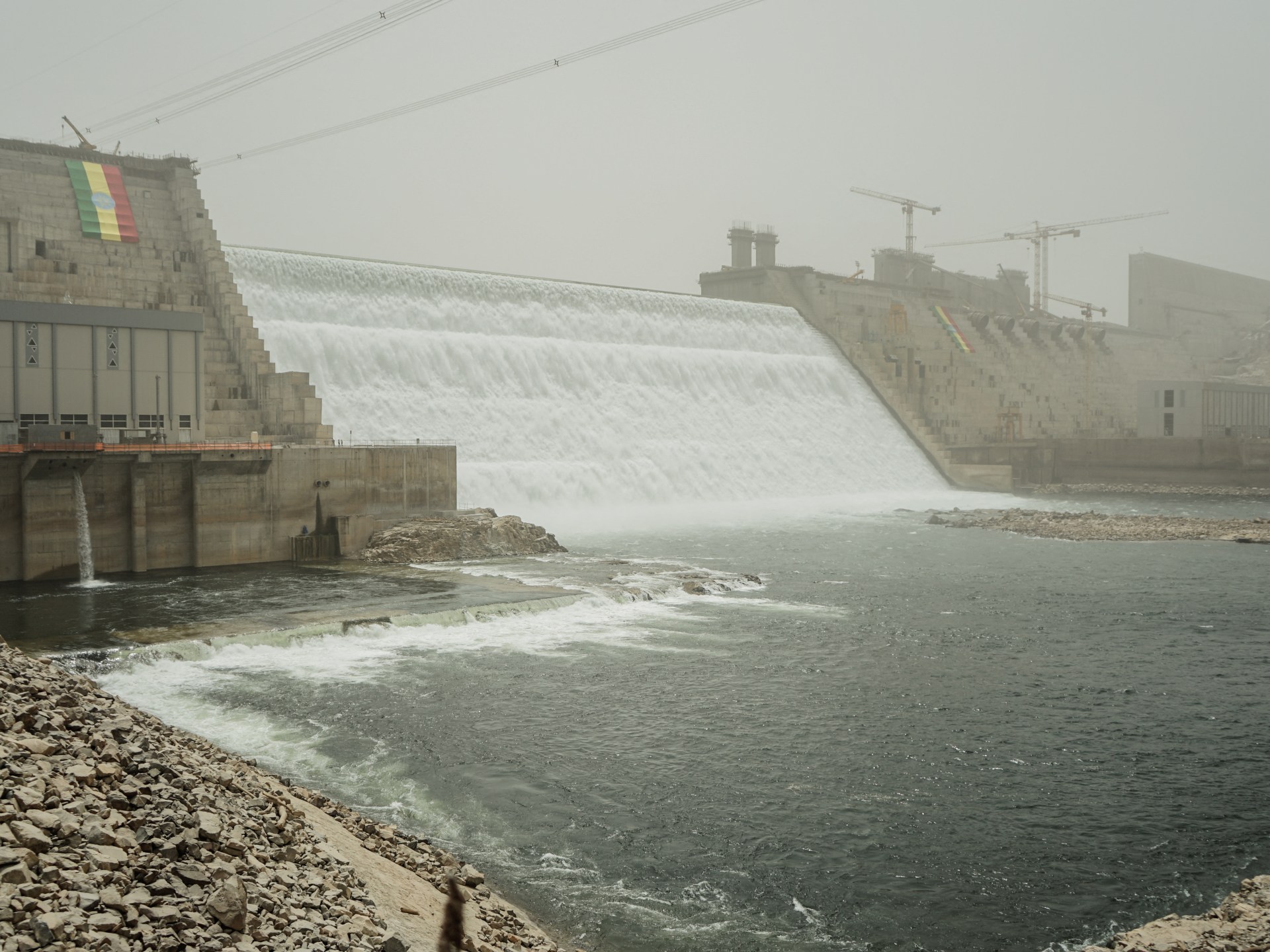
Kathmandu— Following the completion of the Grand Ethiopian Renaissance Dam (GERD), Egypt is shifting its strategy regarding further development along the Nile River, focusing on diplomatic engagement, international pressure, and collaboration with Sudan rather than attempting to halt construction outright. The announcement of Ethiopia’s plans for three new hydropower projects – Karadobi, Mandaya, and Beko Abo – presents a fresh challenge for Cairo, which failed to prevent the building of GERD despite years of objections. These proposed dams, with a combined potential generating capacity of approximately 5,700 megawatts, are prompting Egypt to seek a greater role in shaping how Ethiopia develops the vital water resource.
Ethiopia’s Hydropower Ambitions
For Ethiopia, developing the Blue Nile is central to its goals of electricity generation, economic growth, and energy security. Addis Ababa maintains that expanding hydropower is crucial for a nation where millions have historically lacked reliable access to power. The three proposed projects align with this broader strategy, but their ultimate impact on Egypt and Sudan will depend on how they are built and operated. Ezekiel Gebissa, an Ethiopian professor at Kettering University in the United States, explained that smaller dams could provide electricity to local communities without significantly reducing water flow downstream, while larger projects tied to extensive irrigation could have more substantial implications for Egypt and Sudan.
Egypt’s Concerns and Shifting Strategy
The Nile River is Egypt's primary source of freshwater, making any upstream changes a matter of national security. Cairo isn’t objecting to Ethiopia generating electricity; its concern lies with water storage and management, particularly during droughts. Consequently, Egypt has advocated for rules governing dam operations, drought mitigation, water releases, and information sharing. Last September, Egypt raised the issue at the United Nations Security Council, asserting that Ethiopia's operation of GERD violated international obligations and calling for a binding agreement – positions that were stated by Egypt but not endorsed by the council. The completion of GERD demonstrated both the reach and limitations of Egypt’s diplomatic approach; while pressure could raise awareness, it couldn’t prevent the dam’s construction. As a result, Cairo is now seeking influence over the design, filling, and operation of existing and future projects.
Sudan's Role and Regional Dynamics
Sudan plays a critical role in Egypt’s approach as it lies between Ethiopia and Egypt and is directly affected by developments on the Blue Nile. However, Khartoum does not automatically align with Cairo. Sudan could benefit from more predictable river flows and Ethiopian electricity but also seeks transparency, information sharing, and safeguards regarding upstream projects. Mekki Elmograbi, a Sudanese governance expert, emphasized that transparency from Ethiopia is essential for cooperation, stating, “Ethiopia must share more information with Sudan and Egypt; transparency is the first step toward cooperation.” While Sudan shares some concerns with Egypt, it also maintains its own relationship with Ethiopia and has its own priorities, including access to electricity and effective river management. Sudan’s ability to play a larger diplomatic role is currently constrained by its ongoing civil war.
Leverage and Potential for Agreement
Egypt's strategy relies on diplomacy, international pressure, and cooperation with Sudan to encourage Ethiopia towards greater transparency and negotiated rules. Analysts suggest Cairo’s leverage is meaningful but limited, with its strongest tools being political and diplomatic rather than coercive. Abdiwahab Sheikh, a Horn of Africa analyst, noted that Egypt can utilize diplomacy, alliances, international law, and coordination with Sudan, while economic pressure is weaker and military intervention carries significant risks. He believes a practical arrangement is possible if Ethiopia, Egypt, and Sudan agree on transparent information exchange, advance notification, adaptive dam-management rules, and mechanisms for addressing droughts and downstream impacts.
The three Blue Nile projects will serve as a test of whether Egypt can translate diplomatic pressure into tangible influence over Ethiopia’s hydropower development. The success of this approach hinges on the willingness of all parties to engage in constructive negotiations and establish mutually acceptable operating rules.
(With inputs from Al Jazeera)
Originally published on abcnews.com.np.






प्रतिक्रिया दिनुहोस्