

Kathmandu— A wave of right-wing leadership is reshaping the political landscape of Latin America, with eleven countries now governed by leaders who prioritize economic liberalization, strong ties with the United States, and a rollback of progressive social policies. This “Angry Tide,” as it’s been described, isn't comprised of traditional conservatives but a new generation – averaging 52 years old – representing established oligarchies yet eschewing aristocratic sensibilities for libertarian ideals. From Argentina to Peru, these leaders are enacting agendas that prioritize foreign investment and austerity while simultaneously tightening control over social issues like gender equality and crime.
A New Generation of Right-Wing Leaders
Since 2023, a growing number of Latin American nations have elected far-right presidents, including Javier Milei in Argentina, Rodrigo Paz in Bolivia, José Antonio Kast in Chile, Abelardo de la Espriella in Colombia, and others. These leaders differ from previous conservative blocs; they are younger – with Ecuador’s Daniel Noboa born in 1987 – and represent the interests of long-established oligarchies without necessarily adhering to traditional political norms. They openly align themselves with the United States and its economic agenda, often prioritizing those relationships over domestic concerns.
‘Iron Fist’ Approach to Crime
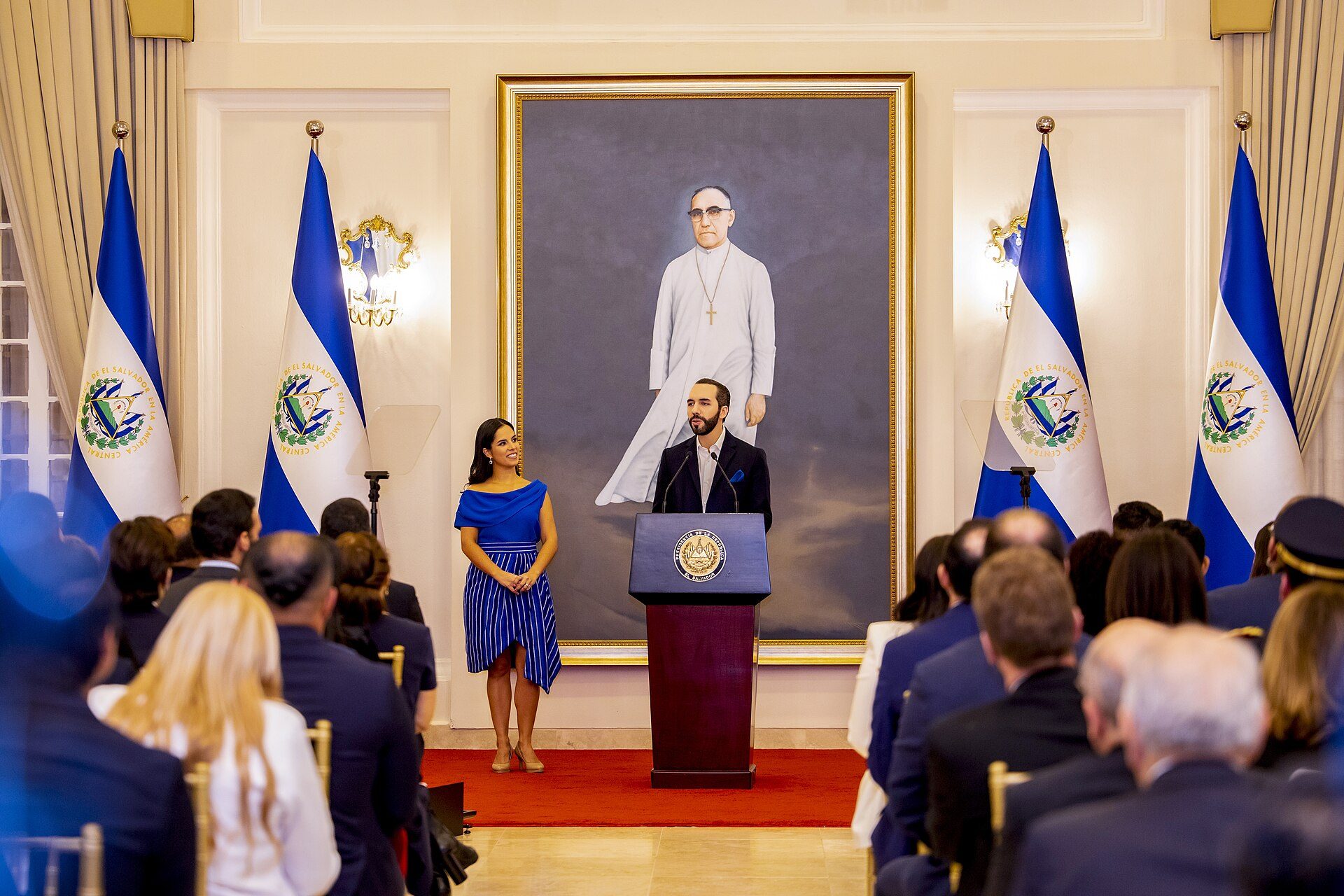
The current far-right governments are adopting increasingly authoritarian tactics in response to crime, drawing inspiration from Nayib Bukele's controversial methods in El Salvador. Leaders across the region are implementing mass arrests, military deployments, and expanded prison systems, framing crime as a war requiring exceptional state power rather than conventional policing and social programs. Laura Fernández of Costa Rica pledged an ‘iron-fist response’ to crime upon her inauguration in May 2026, while Colombia's de la Espriella suggested that 'criminals can take bullets too,' signaling a return to more aggressive tactics.
Rolling Back Social Progress
A key tenet of the far-right agenda is the reversal of feminist gains and progressive social policies. In Argentina, President Milei closed the Ministry of Women and cut funding for programs supporting abortion access and contraception. Chile has seen proposals to restrict abortion rights and punish alleged false accusations of sexual violence, disproportionately impacting vulnerable women. These actions reflect a broader effort to reinforce patriarchal control and limit access to essential services for marginalized communities.
Close Ties with Israel and the US
The far-right governments are also strengthening diplomatic and economic ties with both the United States and Israel. Argentina’s Ambassador to Israel announced the “Isaac Accords” in June 2025, designed to foster closer relationships between Latin American countries and Israel, even amidst the ongoing conflict in Palestine. Several nations have restored or renewed diplomatic relations with Israel, signaling a unified front aligned with Washington's foreign policy objectives.
Economic Policies Favoring Foreign Investment
Economically, these governments are implementing policies dictated by the International Monetary Fund (IMF) and the US Treasury Department, prioritizing deregulation and attracting foreign investment. Argentina’s Large Investment Incentive Regime (RIGI), passed in 2024, exemplifies this approach, offering sweeping tax breaks and regulatory privileges to multinational corporations for up to 30 years. Similar laws are being implemented across the region, with IMF loan programs often contingent on their passage. Critics argue that these policies prioritize corporate profits over social welfare and sustainable development.
The long-term impact of this far-right surge remains uncertain, but it represents a significant shift in Latin America’s political landscape, potentially reversing decades of progress on social issues and economic equality.
(With inputs from CounterPunch)
Originally published on abcnews.com.np.






प्रतिक्रिया दिनुहोस्